Hey there! I’m a supplier of cold rolled products, and today I wanna chat about the differences in surface roughness between cold rolled and polished products. It’s a topic that’s super important in our industry, and understanding these differences can really help you make the right choices for your projects. Cold Rolled Products
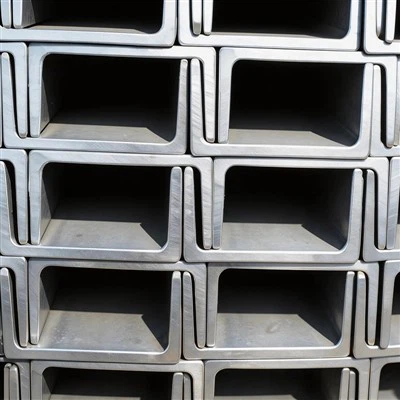
Let’s start with cold rolled products. Cold rolling is a process where metal is passed through rollers at room temperature to reduce its thickness and improve its surface finish. The surface of cold rolled products has a certain level of roughness. This roughness is mainly due to the contact between the metal and the rollers during the rolling process. The rollers leave tiny marks on the metal surface, which gives it a characteristic texture.
One of the key things about cold rolled products is that the surface roughness is relatively consistent across the material. This is because the rolling process is highly controlled. The rollers are designed to apply a uniform pressure, which results in a fairly even surface finish. However, the roughness level can vary depending on factors like the type of metal, the rolling speed, and the quality of the rollers.
For example, if we’re talking about cold rolled steel, the surface roughness might be in the range of a few micrometers. This roughness can actually be beneficial in some applications. For instance, in automotive manufacturing, a slightly rough surface can help with paint adhesion. The tiny peaks and valleys on the surface provide more area for the paint to grip onto, which leads to a more durable paint job.
Now, let’s move on to polished products. Polishing is a finishing process that aims to create a smooth and shiny surface. Unlike cold rolled products, polished products have a very low surface roughness. The polishing process involves using abrasive materials to remove the surface irregularities left by the previous manufacturing processes.
There are different types of polishing methods, such as mechanical polishing, chemical polishing, and electro – polishing. Each method has its own advantages and is suitable for different types of metals and applications.
Mechanical polishing is the most common method. It uses abrasive wheels or belts to grind and smooth the surface. As the abrasive material rubs against the metal, it removes the rough spots and creates a smooth finish. The level of smoothness can be adjusted by using different grit sizes of the abrasive. Finer grits will result in a smoother surface.
Chemical polishing, on the other hand, uses chemical solutions to dissolve the surface layer of the metal. This method is often used for metals that are difficult to polish mechanically, like some alloys. Electro – polishing is similar to chemical polishing, but it uses an electric current to enhance the chemical reaction.
The surface roughness of polished products can be extremely low, often in the nanometer range. This smooth surface is ideal for applications where aesthetics and low friction are important. For example, in the jewelry industry, polished metals are used to create shiny and attractive pieces. In the food and beverage industry, polished stainless steel is used for equipment because it’s easy to clean and has a hygienic surface.
Another difference between cold rolled and polished products is the cost. Cold rolled products are generally less expensive to produce. The cold rolling process is relatively straightforward and doesn’t require the additional steps involved in polishing. Polishing, on the other hand, is a more time – consuming and labor – intensive process. It requires specialized equipment and skilled operators, which drives up the cost.
In terms of durability, cold rolled products can be quite durable. The surface roughness can actually help protect the metal from scratches and wear. The tiny peaks and valleys can act as a buffer, absorbing some of the impact. Polished products, while they look great, can be more prone to scratches. The smooth surface makes it easier for scratches to be visible.
When it comes to choosing between cold rolled and polished products, it really depends on your specific needs. If you’re looking for a cost – effective option with a relatively consistent surface finish and don’t mind a bit of roughness, cold rolled products are a great choice. They’re suitable for a wide range of applications, from construction to automotive.
On the other hand, if you need a high – end, smooth, and shiny surface for applications like decorative items or precision machinery, polished products are the way to go. Just keep in mind that they’ll cost you more.
As a supplier of cold rolled products, I’ve seen firsthand how important it is for customers to understand these differences. Whether you’re a small business owner looking for materials for your products or a large manufacturer in need of bulk supplies, making the right choice can save you time and money.

If you’re interested in learning more about our cold rolled products or have any questions about surface roughness and its impact on your projects, don’t hesitate to reach out. We’re here to help you find the best solutions for your needs. Let’s have a chat and see how we can work together to get you the products you need.
Hot Rolled Products References:
- "Metals Handbook: Properties and Selection: Irons, Steels, and High – Performance Alloys"
- "Manufacturing Engineering and Technology" by Serope Kalpakjian and Steven Schmid
Kennen Steel International Co., Ltd.
With abundant experience, we are one of the most professional cold rolled products manufacturers and suppliers in China. We warmly welcome you to buy high quality cold rolled products in stock here and get quotation from our factory. For price consultation, contact us.
Address: No. 10, South Road, Area C2, Lecong Iron & Steel World, Shunde District, Foshan City, Guangdong Province
E-mail: info@kennensteelco.com
WebSite: https://www.kennensteelco.com/
