Hey there! I’m a supplier of threaded stainless steel tubes, and today I wanna talk about the metallurgical structure of these tubes. It’s not just some boring technical stuff; it actually plays a huge role in how these tubes perform. Threaded Stainless Steel Tube
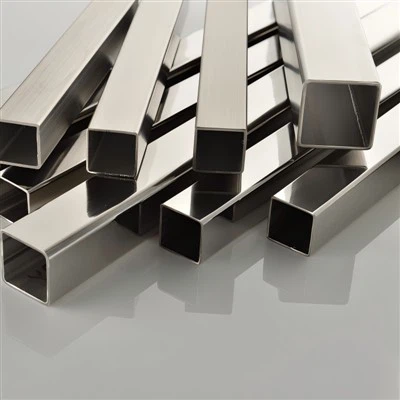
First off, let’s start with what stainless steel is. Stainless steel is an alloy, which means it’s made up of different elements. The main ones are iron, chromium, and often nickel. Chromium is what gives stainless steel its corrosion – resistant properties. When it reacts with oxygen in the air, it forms a thin, protective layer on the surface of the steel, preventing rust and other forms of corrosion.
Now, when it comes to the metallurgical structure of threaded stainless steel tubes, there are a few key types we need to know about. The most common ones are austenitic, ferritic, and martensitic structures.
Austenitic stainless steel is super popular. It has a face – centered cubic (FCC) crystal structure. This structure is really stable at room temperature and even at high temperatures. One of the big advantages of austenitic stainless steel is its excellent ductility. That means it can be easily formed into different shapes, like our threaded tubes. It’s also non – magnetic, which is useful in some applications where magnetism could cause problems. Austenitic stainless steel usually contains a high percentage of nickel and chromium. For example, the 304 and 316 grades are well – known austenitic stainless steels. 304 is commonly used in general – purpose applications, while 316 has a bit more molybdenum, which makes it more resistant to corrosion in harsh environments, like marine settings.
Ferritic stainless steel, on the other hand, has a body – centered cubic (BCC) crystal structure. It’s magnetic and has a lower carbon content compared to austenitic stainless steel. Ferritic stainless steel is often used in applications where cost is a concern and high corrosion resistance is still required. It’s not as ductile as austenitic stainless steel, but it has good resistance to stress corrosion cracking. Some common ferritic grades are 430 and 409. 430 is used in applications like kitchen appliances, while 409 is often used in automotive exhaust systems.
Martensitic stainless steel has a body – centered tetragonal (BCT) crystal structure. It’s hard and strong, but it’s also more brittle compared to austenitic and ferritic stainless steels. Martensitic stainless steel can be heat – treated to increase its hardness. It’s commonly used in applications where high strength and wear resistance are needed, like in cutlery and some mechanical parts. The 410 grade is a well – known martensitic stainless steel.
The metallurgical structure of our threaded stainless steel tubes is carefully controlled during the manufacturing process. We start with the right raw materials, making sure the composition of the alloy is just right. Then, we use processes like hot rolling and cold drawing to shape the tubes. Heat treatment is also a crucial step. For example, annealing can be used to relieve internal stresses and improve the ductility of the tubes. Quenching and tempering are used for martensitic stainless steel to achieve the desired hardness and toughness.
The choice of metallurgical structure depends on the specific application of the threaded stainless steel tube. If you need a tube for a corrosive environment, an austenitic or ferritic stainless steel might be the way to go. If you need high strength and wear resistance, martensitic stainless steel could be the better option.
As a supplier, we make sure that our threaded stainless steel tubes meet the highest quality standards. We test the tubes to ensure that the metallurgical structure is consistent and that the tubes have the right properties for their intended use. We use advanced testing methods, like microscopy, to examine the crystal structure and make sure there are no defects.
So, if you’re in the market for threaded stainless steel tubes, it’s important to understand the metallurgical structure. It can affect the performance, durability, and cost of the tubes. Whether you’re using them in a chemical plant, a food processing facility, or an automotive application, the right metallurgical structure can make all the difference.
If you’re interested in purchasing threaded stainless steel tubes, I’d love to have a chat with you. We can discuss your specific needs, the best metallurgical structure for your application, and work out a deal that suits you. Don’t hesitate to reach out and start the conversation.
Rolled Fin Stainless Steel Tube References:
- ASM Handbook Volume 1: Properties and Selection: Irons, Steels, and High – Performance Alloys
- Stainless Steel: A Guide to Selection, Fabrication, and Application by George E. Totten and David S. MacKenzie
China Super Tech Co., Ltd.
As one of the most professional threaded stainless steel tube manufacturers and suppliers in China, we’re featured by quality products and good service. Please rest assured to wholesale OEM threaded stainless steel tube from our factory. Also, custom service is available.
Address: Wangjing Science and Technology Park, Guangshun North Street, Chaoyang District, Beijing
E-mail: sales@316liquidcooling.com
WebSite: https://www.316liquidcooling.com/
