Hey there! I’m a supplier of check valves, and today I wanna talk about the different types of check valves. Check valves are super important in a whole bunch of industries, from plumbing to oil and gas. They’re designed to let fluid flow in one direction and stop it from flowing back the other way. So, let’s dive into the various types out there. Check Valve
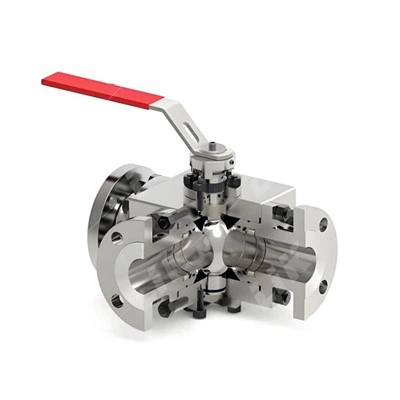
Swing Check Valves
One of the most common types is the swing check valve. It’s got a disc that’s hinged at the top. When the fluid flows in the right direction, the disc swings open, allowing the fluid to pass through. But when the flow tries to reverse, the disc swings shut, blocking the backflow.
These valves are pretty simple in design, which makes them reliable and easy to maintain. They’re great for applications where the flow rate is relatively low and the pressure is stable. For example, in a water supply system for a small building, a swing check valve can prevent water from flowing back into the main supply when the pump shuts off.
However, swing check valves do have some drawbacks. They can be a bit slow to close, especially in systems with high flow rates. This can lead to water hammer, which is a loud banging noise caused by the sudden change in fluid pressure. Also, they need a certain amount of space to operate because of the swinging disc.
Lift Check Valves
Next up are lift check valves. These valves have a disc that moves up and down inside a guide. When the fluid flows in the correct direction, the pressure pushes the disc up, allowing the fluid to pass. When the flow reverses, the disc drops back down to block the flow.
Lift check valves are more precise than swing check valves. They can close quickly, which helps prevent water hammer. They’re also suitable for high-pressure applications. For instance, in a steam system, a lift check valve can ensure that steam only flows in one direction, protecting the equipment from damage.
But lift check valves can be more expensive than swing check valves. They also require a higher pressure to open, so they might not be the best choice for low-pressure systems.
Ball Check Valves
Ball check valves use a ball to control the flow. The ball sits in a seat, and when the fluid flows in the right direction, it pushes the ball off the seat, allowing the fluid to pass. When the flow reverses, the ball is pushed back onto the seat, blocking the flow.
These valves are simple and compact. They’re great for applications where space is limited. For example, in a small chemical processing plant, a ball check valve can be used in a pipeline to prevent the backflow of chemicals.
Ball check valves are also resistant to dirt and debris. The ball can move around and dislodge any particles that might get stuck in the valve. However, they might not be as effective in high-pressure applications as lift check valves.
Diaphragm Check Valves
Diaphragm check valves use a flexible diaphragm to control the flow. The diaphragm is pushed open by the fluid pressure when the flow is in the right direction. When the flow reverses, the diaphragm closes, blocking the backflow.
These valves are great for applications where the fluid contains solids or is corrosive. The diaphragm can prevent the solids from getting into the valve and causing damage. For example, in a wastewater treatment plant, a diaphragm check valve can be used to prevent the backflow of sewage.
Diaphragm check valves are also very quiet. They don’t produce the loud noises that some other types of check valves can make. But they have a limited pressure range, so they might not be suitable for high-pressure systems.
Tilting Disc Check Valves
Tilting disc check valves are a variation of swing check valves. Instead of a fully hinged disc, the disc in a tilting disc check valve is supported at a pivot point. This allows the disc to tilt open and close more smoothly.
These valves are faster to close than traditional swing check valves, which helps reduce the risk of water hammer. They’re also more compact, so they can be used in applications where space is tight. For example, in a marine engine, a tilting disc check valve can be used to prevent the backflow of coolant.
However, tilting disc check valves can be more expensive than swing check valves. They also require more precise installation to ensure proper operation.
Dual Plate Check Valves
Dual plate check valves have two plates that are hinged at the center. When the fluid flows in the right direction, the plates swing open. When the flow reverses, the plates swing shut.
These valves are lightweight and compact. They’re suitable for a wide range of applications, from water treatment to oil and gas pipelines. They can also handle high flow rates and pressures.
Dual plate check valves are easy to install and maintain. They have a short face-to-face dimension, which makes them a good choice for systems where space is limited. But they might not be as effective in preventing water hammer as some other types of check valves.
Wafer Check Valves
Wafer check valves are designed to be installed between two flanges. They’re very compact and lightweight. They use a disc or a spring-loaded mechanism to control the flow.
These valves are easy to install and remove. They’re suitable for applications where space is limited and the flow rate is relatively low. For example, in a small plumbing system, a wafer check valve can be used to prevent the backflow of water.
However, wafer check valves might not be as durable as some other types of check valves. They can be more prone to damage from high pressures or harsh environments.
Conclusion
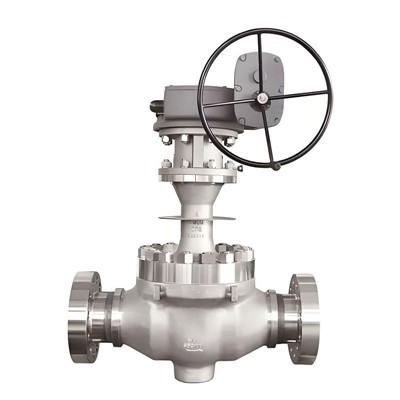
So, there you have it – the different types of check valves. Each type has its own advantages and disadvantages, and the choice of valve depends on the specific application. As a check valve supplier, I can help you choose the right valve for your needs. Whether you’re looking for a valve for a small plumbing project or a large industrial system, I’ve got you covered.
Actuator If you’re interested in purchasing check valves or have any questions about them, feel free to reach out. I’d be more than happy to have a chat with you and discuss your requirements. Let’s work together to find the perfect check valve solution for your business.
References
- "Valve Handbook" by Ludwig Budynas
- "Fluid Mechanics and Hydraulics" by Roberson and Crowe
Wuxi PYNOS Flow-tech Co., Ltd.
As one of the leading check valve manufacturers and suppliers in China, we offer a wide range of products with superior quality. We warmly welcome you to buy high quality check valve made in China here from our factory. We also accept customized orders.
Address: Sales Center: 7th Floor, No.19 Qingyuan RD, Wuxi City, Jiangsu Prov., China
E-mail: Info@pynosvalve.com
WebSite: https://www.pynosvalves.com/
