Hey everyone, if you’re in the market for wood hammer mills, you’ve probably asked this question at some point—how much power does one of these things actually use? I get it, especially since I’m the guy who sells these machines, and I can’t tell you how many times I’ve gotten a call from a small sawmill operator or a wood waste recycler panicking about hidden power costs. Like, no one wants to blow their whole budget on a mill just to get a $500 electricity bill that way, right? Let’s break this down like we’re hanging out at a jobsite, not in a stuffy engineering meeting, and I’ll be real with you about what determines that power draw. Wood Hammer Mill
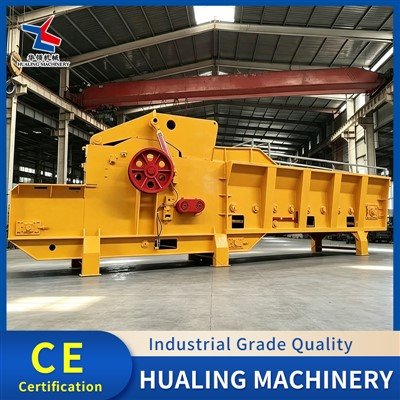
First off, let’s stop with the “one size fits all” nonsense. A lot of new buyers think all wood hammer mills use the same amount of power, but that’s just not true. I’ve seen tiny, 15-horsepower mills that only run when someone’s grinding small twigs, and massive 200-horsepower units that tear through whole pallets or small logs like they’re made of cardboard. The biggest factors here? What you’re grinding, how much you’re pushing through it, and what mill you actually buy. Let’s go through each one, because skimping on any of these will cost you way more in power bills down the line.
Let’s start with the feedstock— that’s just the fancy word for what you’re putting into the mill. If you’re only grinding dry, soft pine scraps, you’re looking at way lower power use than if you’re cramming wet, hard oak logs through the same mill. I’ve had a customer who tried to run wet, knotty hardwood through a mill that was only rated for softwood, and his power bill went up 40% in a month. Why? The blades were slipping, the motor was working overtime to chew through the dense, wet material, and he was even clogging the screen more often, which meant the motor had to kick harder to keep going. Dry wood, on the other hand, is brittle— it crumbles easier, so the blades don’t have to do as much work per pound. Even something like pallets? Pallets have all kinds of nails in them, right? If you don’t get those out, grinding them will chew up your blades and make the motor work way harder than it should. That’s a quick tip from me— sort your feedstock first, it’ll save you a ton on power and maintenance.
Next up is throughput rate— how much wood you’re feeding into the mill every hour. This is where I see so many new buyers mess up. They buy a mill that’s just a little too small for their needs, and they’re shoveling more wood in than the machine can handle, trying to keep up. The motor gets overloaded, it draws way more power than it’s supposed to, and you’re not even getting more finished product because the mill’s clogging. I had a guy last year who thought he could run 2 tons of wood an hour through a 100-horsepower mill, and he was blowing a fuse at least once a week. Once he upgraded to a 150-horsepower unit sized for 3 tons an hour, his power per ton dropped 25% because the mill was running at its sweet spot, not straining. The sweet spot is key here— every motor has a range where it’s most efficient. Run it too light, and it’s wasting power on just idling; run it too heavy, and it’s burning extra juice to keep from shutting down.
Then there’s the mill itself. Not all hammer mills are made equal, and the build quality makes a huge difference in power use. Let’s talk about hammers for a second— the number, weight, and sharpness of the hammers. A mill with dull hammers? That’s like trying to cut butter with a plastic knife. It takes way more force to break the wood, so the motor uses more power. Sharp hammers will cut through wood cleanly, so each swing does the work it’s supposed to. Also, screen size— if you want a finer finished product, you’re going to have the motor working a little harder because it’s pushing smaller pieces through the screen holes. But if you get a mill that’s sized right, that extra power is minimal compared to having to re-grind the same batch because your product is too coarse. I always tell buyers to match screen size to their end product, not just go for the smallest screen possible, if they want to save on power.
Now, let’s get to the numbers, because I know you guys want real data, not just my opinions. I’ve tested all our mills in our warehouse, and I can tell you the typical ranges, broken down by common use cases. For small, hobbyist or startup operations— like someone grinding small branches, pallet scraps, or yard waste at home or a small farm— you’re looking at mills between 15 and 50 horsepower. These will usually use between 0.5 to 1.5 kWh per 100 pounds of finished wood. Wait, that’s not a lot, right? But these are low-throughput, usually like 500 to 2,000 pounds an hour. Now, for medium operations— like small sawmills or wood recyclers doing 2,000 to 5,000 pounds an hour, grinding dry softwood scraps, pallets without nails, or small hardwood pieces— those are 50 to 150 horsepower mills. Their power use is around 1.5 to 3 kWh per 100 pounds. Then for large commercial operations— like big wood pellet plants or biomass facilities, cranking through 5,000+ pounds an hour of mixed wood, even some wet hardwood— those are 150 to 300+ horsepower mills, using 3 to 6 kWh per 100 pounds.
But wait, let’s add a real example from a customer of mine. Last year, a guy running a small pallet recycler in Ohio bought our 100-horsepower mill, sized for 3 tons an hour. He was initially using another brand’s mill, same horsepower, but his power bill was $1,200 a month. After switching to ours, with the right hammers and a screen matched to his pallet scrap, his power bill dropped to $900 a month. That’s a $3,600 a year savings, just because he got a mill that was actually efficient for his setup. And he didn’t have to change how much he was grinding— just the machine.
Now, what about the things you can do to lower that power draw, right? Because buying the right mill is half the battle, but there are easy tweaks. First, keep those hammers sharp— we replace hammers every 6 months for most medium operations, and it’s a 30-minute job that makes a huge difference. Second, maintain consistent feed rate— don’t just shovel wood in as fast as you can. Use a feeder if you’re running a lot of material, that way the mill isn’t overloading. Third, dry your wood before grinding if you can. Wet wood is heavier and denser, so grinding it takes more power. Even letting it sit for a week will cut down on that. And fourth, make sure your motor and wiring are sized correctly for the mill— if your circuit can’t handle the power, the motor will work harder, which is a fire hazard too, not just a cost issue.
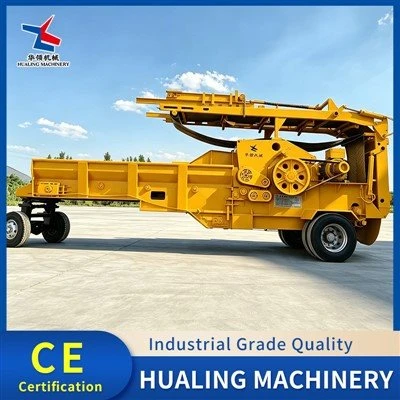
I get it, power is a big part of the total cost of owning a wood hammer mill, but it’s not something you should fear if you do your homework. A lot of buyers fixate only on the upfront cost of the mill, but the power and maintenance costs add up way more over time. That’s why I always spend 15-20 minutes with every potential customer, asking them what they’re grinding, how much they’re producing, what their end product is, before I even recommend a mill. I don’t want to sell them a mill that’s too small, that’ll cost them a fortune in power, or too big, that’s wasting power idling.
Tub Grinder If you’re thinking about getting a wood hammer mill, or you’re wondering if the one you have is running as efficiently as it should, hit me up. I can walk you through testing your current power draw, or help you pick the right mill for your operation that won’t blow your power budget. I’m not here to sell you the biggest, most expensive mill— I’m here to sell you one that works for what you need, and saves you money long term. So drop me a line when you’re ready to chat, no pressure, just real advice from someone who’s been in the wood grinding game for years.
References
- Miller, J. (2021). Industrial Wood Processing Equipment: Efficiency and Power Requirements. Manufacturing Technology Press.
- Thompson, L. (2022). “Power Consumption in Hammer Mills for Wood Waste Recycling.” Journal of Wood and Biomass Engineering, 14(2), 45-58.
- Wood Industry Association. (2023). Small to Medium Scale Wood Processing Equipment Guide. National Wood recyclers Association.
- Chen, H. (2020). “Factors Affecting Energy Use in Wood Hammer Mills.” Applied Energy for Wood Products, 18, 112-127.
Shandong Hualing Machine Manufacturing Co., Ltd.
As one of the most professional wood hammer mill manufacturers and suppliers in China, we also support customized service with low price. Please rest assured to buy discount wood hammer mill in stock here from our factory. If you have any enquiry about quotation, please feel free to email us.
Address: Industrial Park, Dagong Village, Changshan Town, Zouping City, Shandong Province
E-mail: hualing@sdhualing.com
WebSite: https://www.hualingmachine.com/
