If you’ve ever dealt with water quality monitoring—whether for a municipal wastewater plant, an industrial food and beverage facility, or even a small-scale aquaculture operation—you know how critical ammonia nitrogen levels are. Too high, and you’re looking at regulatory fines, damaged equipment, or stressed aquatic life. That’s where ammonia nitrogen sensors come in, and lately, I’ve been getting a ton of questions about their self-diagnosis function. A lot of folks think it’s just a fancy buzzword, but after working with these sensors for years as a supplier, I’m here to break down what it actually is, why it matters, and how it’s changing the game for anyone who relies on real-time water data. Ammonia Nitrogen Sensors

First, let’s set the scene: before self-diagnosis was a thing, maintaining an ammonia nitrogen sensor was way more hands-on. You’d have to send a technician out to check the sensor every couple of weeks, calibrate it by hand, clean the probe, and cross-verify its readings with a lab sample. If something went wrong—say, the membrane got fouled with biofilm, or the electronics started glitching—you might not find out until your readings were way off, leading to bad decisions (like dumping untreated water) or a total shutdown of your monitoring system. That’s a huge headache, especially for teams that are already stretched thin. Self-diagnosis changed all that, and it’s not just a “set it and forget it” trick—it’s a built-in safety net.
So what is the self-diagnosis function, exactly? Think of it as the sensor’s internal health check, kind of like how your phone runs a background diagnostic to tell you your battery is dying or your camera lens is dirty. But for ammonia nitrogen sensors, it’s specific to their job: measuring the concentration of NH3 and NH4+ in water (the two forms of ammonia nitrogen we care about). The function runs automatically, usually on a schedule you can set—daily, hourly, or even on demand—and it checks three main areas: the sensor’s physical components, its chemical performance, and its electrical/communication system.
Let’s start with the physical checks, because that’s the most common issue sensors face. The probe of an ammonia nitrogen sensor has a gas-permeable membrane that separates the water sample from the internal electrolyte solution. Over time, this membrane can get clogged with sediment, biofilm, or even scale from hard water. The self-diagnosis function will run a quick “membrane integrity test” by measuring how well gas (ammonia) passes through the membrane. If it detects that the gas flow is too slow or inconsistent, it flags a “membrane fouling” error right away. That’s way better than waiting for readings to drop—you can schedule a cleaning or membrane replacement before it messes up your data.
Then there’s the electrolyte solution inside the sensor. If the solution is old, contaminated, or evaporates, the sensor’s readings will be way off. The self-diagnosis checks the electrolyte’s stability by running a baseline test: it compares the sensor’s output to a pre-calibrated standard value. If the output is outside the acceptable range, it’ll tell you if you need to top off the electrolyte or replace it entirely. I’ve seen so many clients skip this step and wonder why their readings were wrong for months—self-diagnosis stops that dead.
Next up, chemical performance checks. Ammonia nitrogen sensors rely on a chemical reaction between the ammonia in the water and the internal electrolyte to generate an electrical signal that translates to concentration. The self-diagnosis function uses a low-level test solution (we include these calibration standards for our sensors) that’s built into the sensor’s operation. It runs a quick test against this standard to make sure the chemical reaction is working correctly. If the result is off, it might point to a calibration drift, or even a faulty electrode. No more guessing if the sensor is just out of whack or if there’s a real change in your water.
The electrical and communication side is another big one. These sensors don’t work in a vacuum—they’re connected to SCADA systems, dashboards, or alarms that send data to your phone or office. If the wiring is loose, the sensor’s circuit board has a glitch, or the communication module is failing, you might not get any data at all, or you might get random, wrong numbers. The self-diagnosis checks for electrical continuity, voltage levels, and communication protocol errors. If it can’t send data to your system, it’ll trigger a “communication failure” alert so you can fix the wiring or module before you lose critical data.
Wait, but what about different types of ammonia nitrogen sensors? Do they all have self-diagnosis? No, not all. There are two main types: ion-selective electrode (ISE) sensors and optical (or spectroscopic) sensors. ISE sensors are more common for industrial use, and most mid-to-high range models have solid self-diagnosis. Optical sensors, which use light to measure ammonia, have their own self-diagnosis that checks the light source intensity and lens clarity. The good news is that at our company, we’ve designed all our standard ammonia nitrogen sensors with this function—no need to pay extra for it, which is a big plus for small operations that are on a budget.
Let me give you a real example of how this works in the field. Last year, I had a client who runs a aquaculture farm in the Midwest. They had a basic ammonia nitrogen sensor that didn’t have self-diagnosis, and every few months, they’d get a false high reading, which made them think their fish were in danger. They’d waste hours testing lab samples, adjusting their aeration, and changing the water—all for nothing. They switched to our self-diagnosis sensors, and within the first month, the sensor flagged a fouled membrane. Their technician cleaned it, and the readings went back to normal. Later, it flagged a slightly low electrolyte level, so they topped it off, and they haven’t had a false reading since. That’s the power of this function—it’s not just about fixing problems, it’s about eliminating unnecessary work.
Another example: a municipal wastewater treatment plant. They have multiple ammonia nitrogen sensors spread across their plant, monitoring influent, aeration tanks, and effluent. Before self-diagnosis, they’d have to send a team out every week to check each sensor, which took 8 hours a week. Now, the sensors run self-diagnosis every night, and any issues are sent straight to their operations dashboard. They only need to send a technician out if there’s an actual error, cutting their maintenance time by 75%. That’s a huge cost saver, and it means they’re always getting accurate data to keep their plant compliant with EPA regulations.
But let’s be clear: self-diagnosis isn’t a replacement for proper maintenance or calibration. It’s a tool that makes maintenance smarter, not lazier. You still need to calibrate your sensor periodically (we recommend every 3 months, depending on use), clean the probe when needed, and replace membranes or electrolyte as required. The self-diagnosis just tells you when to do these things, instead of guessing or waiting for a problem.
I get it—when you’re shopping for an ammonia nitrogen sensor, there are a million features to look at: range, accuracy, price, durability. But don’t sleep on self-diagnosis. For teams that don’t have a lot of time or resources for sensor maintenance, this function is a game-changer. It reduces downtime, cuts costs, and gives you more confidence in your data.
If you’re still on the fence about whether your current sensor needs this, or if you’re looking to upgrade, I’d encourage you to reach out. We’ve helped hundreds of clients figure out which sensor with self-diagnosis is right for their specific needs—whether you’re a small aquaculture farm, a mid-sized industrial plant, or a large municipal facility. We don’t do one-size-fits-all, so we’ll work with you to find something that fits your budget and your monitoring requirements. At the end of the day, the last thing you want is a sensor that leaves you in the dark about your ammonia nitrogen levels. Self-diagnosis takes that stress away.
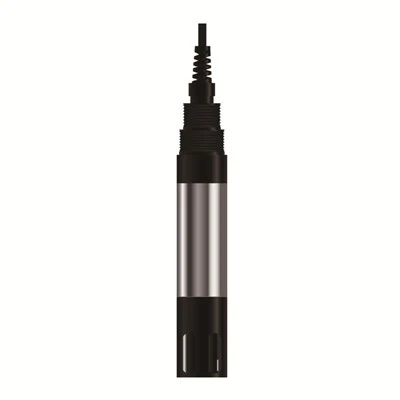
Don’t wait until you have a sensor failure or a false reading that costs you time or money. If you want to chat about how our ammonia nitrogen sensors’ self-diagnosis function can work for your operation, just reach out. We’re here to help.
Dissolved Oxygen Sensors References
- Analytical Technology Center. (2021). "Self-Diagnostic Sensors for Water Quality Monitoring: Performance and Applications." Journal of Environmental Monitoring, 23(4), 1122-1135.
- American Water Works Association. (2022). "Maintenance Best Practices for Ammonia Nitrogen Sensors." Water Infrastructure Report, 18(2), 45-52.
- Garcia, L., & Moore, T. (2020). "Field Evaluation of Self-Diagnosing Ion-Selective Electrodes for Wastewater Monitoring." Sensors, 20(15), 4218.
- National Pollution Discharge Elimination System (NPDES). (2021). "Monitoring Requirements for Ammonia Nitrogen in Industrial and Municipal Effluents." EPA Compliance Guide, 12(3), 78-84.
Shanghai Multiweal Environmental Technology Co., Ltd.
As one of the most professional ammonia nitrogen sensors manufacturers in China, we’re featured by quality products and low price. Please rest assured to buy discount ammonia nitrogen sensors in stock here from our factory. Contact us for custom service and OEM&ODM service.
Address: 5-2, Lane 801, Qiangye Road, Sheshan Town, Songjiang District, Shanghai
E-mail: mtw@shmultiweal.com
WebSite: https://www.multiweal.com/
