Hey everyone — if you’re a wood artwork lover, or even just someone who’s ever bought a hand-carved wall piece, a wooden sculpture, or a custom cutting board from us, you know how special wood is. It’s warm, it has that one-of-a-kind grain, and each piece tells a little story. But here’s the thing I see so many customers (and even some new collectors) mess up: leaving their wood art right by a sunny window or on a patio without a second thought. Sunlight might feel nice to you, but to wood? It’s kind of a silent killer, and I’ve spent years figuring out how to keep our pieces (and yours) looking perfect for decades. Wood Artwork
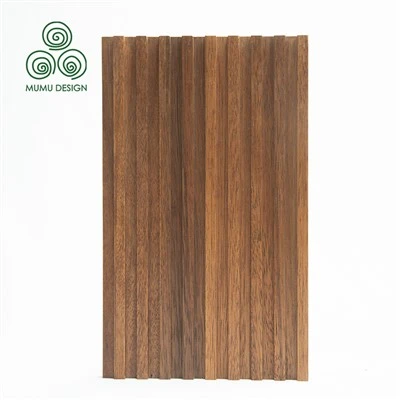
I run a small wood artwork supply company — we carve, finish, and ship pieces all over the place — and honestly, I’ve learned most of this stuff from trial and error. Early on, we sent a batch of small table sculptures to a customer who put them right behind their living room window. A month later, they reached out saying the edges had turned patchy and some spots were cracking. That’s when I dug into the science a little, talked to a few wood conservator friends, and tested every fix we could think of. Now, I’m going to break this down like I’m chatting with a customer at a trade show, no fancy jargon, just real tips that actually work.
First, let’s get one thing straight: it’s not just bright, direct sunlight that’s the problem. UV rays (the invisible part of sunlight) are the main culprit here. UVA and UVB rays — the same ones that tan your skin and fade your clothes — break down the natural lignin in wood. Lignin is what holds a wood’s cells together, and it’s also what gives it that rich, warm color. When UV rays attack lignin, it starts to degrade. The wood doesn’t just fade evenly, either. You’ll get patchy discoloration — some areas turn gray, others get too dark — and over time, that breakdown weakens the wood, leading to tiny cracks or splits. I’ve seen this happen on both our carved wall art and even solid wood furniture pieces we supply; it’s the same process, just on smaller, more delicate art pieces.
Another thing people miss: sunlight doesn’t just affect the surface color. It also messes with the wood’s moisture level. Wood is hygroscopic, which means it absorbs and releases moisture from the air. When sunlight heats up a wooden piece, it dries out the outer layers way faster than the inside. That causes tension between the dry surface and the still-moist core, leading to those ugly, often hard-to-fix splits. We had a customer who kept a large sculpted vase on their back patio all summer — even shaded for half the day — and it split right down the side. Turns out, the hot sun shining through the thin patio awning still heated the wood too much, even if it wasn’t fully direct.
So, now that you know what we’re up against, what actually works? Let’s start with the simplest fixes, because not everyone wants to shell out for fancy products.
First up: move it. Seriously, if you have a piece that’s going to be near a window or in a sunroom, try a different spot. I’m not saying hide it in a closet forever — wood is meant to be seen — but pick a spot that’s out of direct rays, even if it’s just a few feet over. A lot of our customers put our carved mantel pieces above their fireplace, which is great because the only sun that hits it is indirect morning light. Or, if it’s a sculpture for a side table in the living room, shift it away from the window. We tested this with a batch of our small wooden plaques a couple years back: half stayed in the sun, half moved to a shaded wall. After six months, the sun-exposed ones had faded 20-25% on average, while the shifted ones looked almost exactly like the day we shipped them. That’s a big difference, and it’s free.
If moving it isn’t an option — like, say, your wall art is the focal point of a bright living room — then block the sun. Not with a blanket, obviously. Window coverings are your friend. I’ve had customers use sheer curtains for years, but wait: some sheers don’t block UV rays, so they still let in the stuff that fades wood. If you want something more effective, opt for blackout curtains or window films that are made to block UV. We sell a small UV-blocking window film in our supply shop (it’s cheap, like $20 a roll, and easy to put up with a squeegee) and tons of our customers swear by it. One thing to avoid: regular glass windows don’t block all UV rays. Even if your piece is behind a double-paned window, some UVA still gets through. We confirmed that with a UV meter test last year — a standard window lets through about 30% of UVA, which is enough to cause fading over time. The film we use blocks 99% of UV, so that’s a game changer.
Next, if you want to go a step further, add a protective finish. A lot of our wood art comes with a clear sealant, but not all sealants are made equal. The cheap, generic clear coats you can buy at a hardware store might add a little gloss, but they don’t block UV. We use a UV-stabilized polyurethane finish on all our premium pieces, and that extra layer makes a huge difference. We also carry a touch-up UV sealant for customers who want to reapply it at home — just wipe it on once a year, and it keeps the sun out. Another option: wax with UV inhibitors. Beeswax is great for wood, but plain beeswax doesn’t block UV, so look for one that adds UV ingredients. We’ve tested both, and the polyurethane finish lasts longer for indoor pieces, while the wax works better for outdoor wood art (as long as it’s treated for weather, too, but that’s a whole other topic).
Wait, what if it’s outdoor wood art? That’s a little trickier, because it’s exposed to sun, rain, and wind all at once. For pieces we supply for patios or gardens, we always recommend a two-step process: first, a deep wood preservative, then a UV-stabilized outdoor sealant. We tried skipping the preservative once, and a customer’s garden sculpture cracked within a season. The preservative keeps moisture from getting in, and the sealant blocks UV. Even then, though, we suggest moving it under a patio overhang or a tree during the hottest part of summer — just to give it a break. I’ve had a few customers keep their outdoor pieces in the open year-round, but after three to four years, they’ll start to fade a little, even with the sealant. It’s just the nature of being outside.
I also see a lot of people making a mistake when they think they’re “protecting” their wood art. Overwatering? No, wait — over-humidifying? If your piece is near a sun-heated window, the dry air from the sun can make the wood’s moisture drop, but cranking up the humidifier to 60% or more isn’t good either. Too much moisture can cause warping or mold, especially if the wood isn’t sealed properly. We recommend keeping your indoor space at 40-50% humidity year-round — that’s the sweet spot for wood, no matter the sun exposure. You can get a cheap hygrometer at any home store to check, it’s like $10 and takes two seconds.
Another quick tip: rotate your pieces every few months. I know, it’s a little annoying, but it works. If a wall art is only facing the window, the side closest to the sun will fade faster than the other. Spin it around once every three months, and the fading will be even. We do this with our own showroom pieces, and you’d never tell which ones get more sun than others. It’s a tiny effort, but it keeps your art looking uniform.
Let me talk about a couple of mistakes I’ve seen customers make, just to save you the hassle. First, don’t use regular cleaning products on your wood art near windows. A lot of glass cleaners or furniture polishes have harsh chemicals that can react with the sealant and make it less effective at blocking UV. Instead, use a soft, microfiber cloth — the kind you use for your glasses — to dust it. If you need to clean a spill, wipe it up immediately with a damp (not wet) cloth, and dry it right away.
Second, don’t store your wood art in a hot attic or garage if you’re not displaying it right away. If you buy a piece and keep it in a box for a month before hanging it, don’t leave it in a spot that gets 90-degree sun every day. The heat breaks down the sealant even before you put it up. We store our finished pieces in a climate-controlled room, and I always tell customers who order custom pieces to pick them up within a couple weeks, or we can hold them for you in our storage for free — no extra charge, it’s just better for the art.
Now, I know some of you are thinking: “I want that natural, weathered look on my wood art — do I have to fight it?” And that’s totally fair! Some people love that soft gray patina that comes from sun exposure. If that’s your vibe, then you don’t need to do all the heavy protection stuff. Just rotate it, keep the humidity stable, and it’ll age gracefully. But if you want to keep the original warm, rich color that the piece was carved with, then the tips above are exactly what you need. We actually have two lines in our shop: the “Natural Patina” line, which is designed to be displayed in sunny spots, and the “Premium UV-Protected” line, for customers who want the original color to stay bright. That way, you can pick what works for you.
At the end of the day, wood artwork is a long-term investment — it’s not a cheap decor item you’ll replace in a year. We’ve had customers tell us a piece we made for their dining room is still looking brand new after 10 years, because they moved it away from the window and added the UV film. That’s the goal, right? To have something you can pass down to your kids, that still looks the same as the day you bought it.
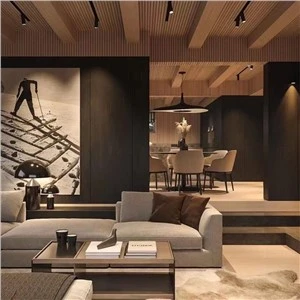
If you’ve got a wood art piece at home that’s starting to fade, or you’re looking for a custom piece that’s built to last, feel free to reach out. We don’t just supply wood art — we’re here to help you keep it in great shape, too. Whether you need advice on where to hang it, what sealant to use, or you want to order a custom piece, just get in touch. We’re a small team, so we’ll chat with you one-on-one, no automated responses or confusing forms.
Geometric wood wall panels References:
- American Wood Council. (2021). Wood Characteristics: Moisture Relationship and Dimensional Stability.
- International Association of Wood Anatomists. (2019). Effects of Ultraviolet Radiation on Wood Degradation.
- Woodwork Council. (2022). Best Practices for Protecting Wood Surfaces from Sunlight.
Dongguan MUMU Woodwork Co., Ltd.
Dongguan MUMU Woodwork Co., Ltd. is one of the most professional wood artwork manufacturers and suppliers in China, featured by cheap products and good service. If you’re going to wholesale customized wood artwork at low price, welcome to get quotation and free sample from our factory. Contact us for more discount information.
Address: Room No.2602, Universal Commerce Center,Dongguan, China 523073
E-mail: export@mumu-ing.com
WebSite: https://www.mumu-ing.com/
