As an FPV drone LiPo battery supplier, I often get asked about the power output of these essential components. Understanding the power output of an FPV drone LiPo battery is crucial for both amateur enthusiasts and professional pilots. It can significantly impact the performance, flight time, and overall safety of your FPV drone. FPV Drone Lipo Battery
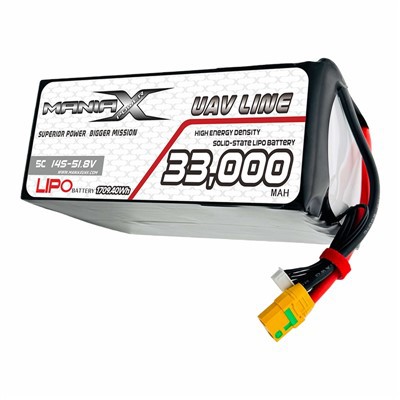
The power output of a LiPo battery is primarily determined by two key factors: voltage and current. Voltage is the electrical potential difference between two points in a circuit, measured in volts (V). Current, on the other hand, is the flow of electric charge, measured in amperes (A). The product of voltage and current gives us the power output, which is measured in watts (W). In the context of FPV drones, power output is a vital metric as it dictates how much energy the battery can deliver to the drone’s motors and other electronic components.
Let’s first delve into the concept of voltage in LiPo batteries. LiPo batteries are typically rated in terms of the number of cells they contain. Each individual cell in a LiPo battery has a nominal voltage of around 3.7V. For example, a 2S (two – cell) LiPo battery has a nominal voltage of 2 x 3.7V = 7.4V, while a 3S battery has a nominal voltage of 3 x 3.7V = 11.1V. The higher the number of cells, the higher the voltage, and generally, the more power the battery can potentially deliver.
However, it’s important to note that the voltage of a LiPo battery is not constant. When fully charged, a LiPo cell can reach up to around 4.2V. As the battery discharges during flight, the voltage gradually drops. When the voltage of a cell reaches around 3.0V, it is considered fully discharged, and further discharging can cause permanent damage to the battery.
The current rating of a LiPo battery is equally important. It is usually specified in terms of the continuous discharge rate (C – rating) and the burst discharge rate. The C – rating indicates the maximum amount of current that the battery can safely deliver continuously. For instance, if you have a 2000mAh (2Ah) LiPo battery with a 30C continuous discharge rating, the maximum continuous current it can supply is calculated as 2Ah x 30C = 60A.
The burst discharge rate, on the other hand, represents the maximum current that the battery can supply for short periods, typically a few seconds. This is important for situations where the drone needs an extra power boost, such as during takeoff or aggressive maneuvers.
To calculate the power output of a LiPo battery, we multiply the voltage by the current. For example, let’s assume we have a 3S LiPo battery with a nominal voltage of 11.1V and a continuous discharge current of 30A. The continuous power output of this battery would be 11.1V x 30A = 333W.
The power output of a LiPo battery has a direct impact on the performance of an FPV drone. A higher power output allows the drone’s motors to spin faster, generating more thrust. This results in better acceleration, higher top speeds, and the ability to perform more aggressive maneuvers. For example, in racing drones, a high – power battery can give pilots a significant advantage, allowing them to quickly overtake competitors and maintain high speeds through the course.
Flight time is another aspect affected by power output. Generally, a battery with a higher power output will drain faster if the drone is flying at a high – power setting. However, if you’re able to fly the drone at a lower power level, you can potentially extend the flight time. For example, cruising at a steady speed with less aggressive maneuvers will consume less power compared to constantly performing high – speed dives and sharp turns.
Safety is also closely related to the power output of LiPo batteries. Using a battery with an inappropriate power output for your drone can lead to overheating, which can cause the battery to swell, leak, or even catch fire. It’s essential to ensure that the battery you choose can handle the power requirements of your drone’s motors and electronic components.
When selecting a LiPo battery for an FPV drone, it’s important to consider the power requirements of the specific drone model. Different drones have different power needs based on factors such as the size of the motors, the weight of the drone, and the intended use. For beginner drones or indoor flying, a lower – power battery may be sufficient. These batteries are often smaller and lighter, which is beneficial for reducing the overall weight of the drone and increasing flight time.
On the other hand, for professional racing drones or drones used for aerial cinematography that require high – speed maneuvers and powerful motors, a high – power battery is necessary. These batteries usually have a higher voltage and a higher C – rating to meet the demanding power requirements.
As a supplier of FPV drone LiPo batteries, I take pride in offering a wide range of batteries with different power outputs to meet the diverse needs of our customers. Our battery selection process involves rigorous testing to ensure that each battery meets high – quality standards. We test for factors such as voltage stability, current output, and the overall health of the battery during discharge and recharge cycles.
We understand that the power output is just one aspect of a good LiPo battery. Other factors, such as battery capacity, weight, and durability, also play important roles. For example, a battery with a higher capacity (measured in mAh) can store more energy, potentially increasing the flight time. However, a higher – capacity battery may also be heavier, which can affect the drone’s agility.
In addition to providing high – quality batteries, we also offer comprehensive customer support. Our team is always ready to assist customers in choosing the right battery for their specific FPV drone needs. Whether you’re a beginner looking for a reliable starting – point battery or a professional seeking the highest – power option, we can guide you through the selection process.
We also stay up – to – date with the latest advancements in LiPo battery technology. As the FPV drone industry continues to evolve, so does the technology behind LiPo batteries. Newer batteries are being developed with higher energy densities, faster charging times, and improved safety features. By staying informed, we can offer our customers the latest and greatest in battery technology.
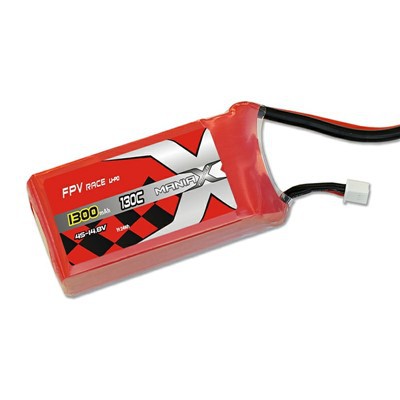
If you’re in the market for an FPV drone LiPo battery or have any questions about power output or battery selection, please don’t hesitate to reach out to us. We’re here to help you find the perfect battery to take your FPV drone experience to the next level. Whether you’re an individual enthusiast or a business looking to purchase in bulk, we’re committed to providing you with the best products and service. Contact us to start a discussion about your specific requirements, and let’s work together to find the ideal FPV drone LiPo battery solution for you.
4.45V Drone Solid-state Lipo Battery 280Wh/kg References:
- "LiPo Battery Guide for Beginners" – HobbyFever
- "FPV Drone Basics" – DroneFacts
- "Advanced LiPo Battery Technology" – BatteryResearchJournal
ManiaX Power Technology Co., Ltd.
ManiaX Power Technology Co., Ltd. is one of the most reliable fpv drone lipo battery manufacturers and suppliers in China, also supports customized service. Please feel free to wholesale bulk durable fpv drone lipo battery made in China here from our factory.
Address: Room 1508, 15/F, Two Grand tower, 625 Nathan Road, Kowloon, HongKong. P.R. China
E-mail: info@maniax-power.com
WebSite: https://www.maniaxpower.com/
