Hey there, folks! I’m a supplier of forged valves, and I often get asked about the noise level of these valves during operation. Today, I’m gonna dive deep into this topic and share with you everything you need to know. Forged Valves
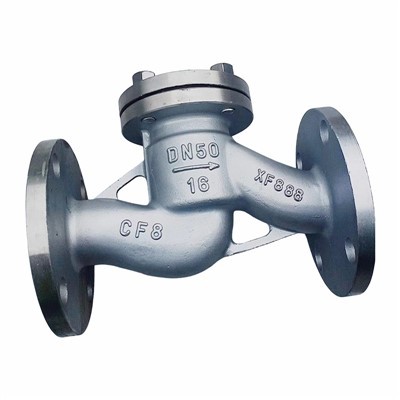
First off, let’s talk about what causes noise in forged valves. There are a few key factors at play here. One major cause is fluid flow. When the fluid passes through the valve, it can create turbulence, which in turn generates noise. The speed of the fluid, its viscosity, and the shape of the valve’s internal passages all influence how much noise this fluid – flow turbulence will produce. For example, if the fluid is flowing at a high velocity, there’s more energy in the flow, and it’s more likely to create a lot of noise as it moves through narrow or irregularly – shaped valve openings.
Another factor is cavitation. Cavitation occurs when the pressure of the fluid drops below its vapor pressure, causing vapor bubbles to form. When these bubbles collapse, they release a significant amount of energy, which results in a loud, popping or cracking noise. This is not only annoying but can also cause damage to the valve over time. Conditions like high – pressure drops across the valve are likely to trigger cavitation. If the valve is used to throttle a high – pressure fluid down to a much lower pressure in a short distance, cavitation might rear its ugly head.
The design of the valve itself also has a huge impact on noise levels. A well – designed forged valve with smooth internal surfaces and a proper flow path can minimize noise. Valves that are specifically engineered to reduce turbulence, such as those with streamlined shapes or built – in flow – control features, will generally be much quieter. On the other hand, a poorly designed valve with sharp edges or sudden changes in cross – sectional area can cause the fluid to abruptly change direction or speed, leading to increased noise.
Now, let’s get into some numbers. The noise level of forged valves is usually measured in decibels (dB). In a normal industrial setting, a quiet valve might operate at around 40 – 60 dB. This is comparable to a normal conversation in a quiet room. However, in high – pressure or high – flow applications, the noise level can shoot up to 80 – 100 dB or even higher. At 80 – 90 dB, it’s like standing near a busy street or a vacuum cleaner. And once you hit 100 dB, it’s as loud as a jackhammer. Such high noise levels not only make the work environment unpleasant but can also pose a risk to workers’ hearing over time.
So, how can we reduce the noise level of forged valves? One approach is to use silencers or noise – reducing devices. These can be installed downstream or upstream of the valve. They work by absorbing or dissipating the sound energy produced by the valve. Some silencers are designed to disrupt the sound waves, breaking them up to reduce the overall noise level.
Proper valve sizing is also crucial. If a valve is too small for the flow rate, the fluid will have to pass through a restricted opening at a high velocity, increasing noise. Conversely, an oversized valve can lead to inefficient operation and may also generate more noise than necessary. By accurately calculating the required flow rate and pressure drop, we can select the right – sized valve for the application.
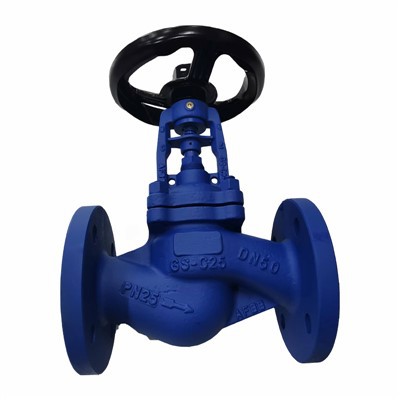
Another way is to choose the right type of valve for the job. For example, globe valves are known to be noisier than ball valves in some applications because of their internal design, which causes more fluid obstruction. In applications where noise reduction is a top priority, ball valves might be a better choice.
As a forged valve supplier, I understand how important it is to provide valves with low noise levels. In many industries, like power generation, chemical processing, and water treatment, excessive noise can lead to regulatory issues, worker complaints, and even equipment damage. That’s why we’ve invested a lot of time and effort in R&D to develop forged valves that are not only reliable and durable but also quiet in operation.
Our team of engineers carefully studies the fluid dynamics and acoustic principles involved in valve operation. We use advanced computer – aided design (CAD) and computational fluid dynamics (CFD) software to simulate different valve designs and predict their noise levels before they’re even manufactured. This allows us to optimize the valve design for minimal noise while maintaining excellent performance.
We also source the highest – quality materials for our forged valves. High – grade metals ensure that the valves have smooth internal surfaces, which in turn reduces the likelihood of turbulence and noise. And during the manufacturing process, we adhere to strict quality control standards to ensure that every valve meets our noise – reduction targets.
If you’re in the market for forged valves and noise is a concern for you, don’t hesitate to get in touch with us. We can offer you expert advice on valve selection based on your specific application requirements. Whether you need a valve for a low – pressure, low – flow system or a high – performance, high – pressure application, we’ve got the expertise to help you find the quietest and most reliable solution.
In conclusion, the noise level of forged valves during operation can vary widely depending on factors like fluid flow, cavitation, and valve design. But with the right approach, such as using silencers, proper sizing, and selecting the right valve type, the noise can be minimized. As a supplier, we’re committed to providing our customers with top – notch forged valves that not only perform well but also keep the noise down. So, if you’re interested in learning more or making a purchase, just reach out to us. We’re here to assist you in getting the best valves for your needs.
Butterfly Valve References
- Crane Technical Paper No. 410: Flow of Fluids Through Valves, Fittings, and Pipe
- International Organization for Standardization (ISO) standards related to valve performance and noise measurement
- Professional publications on fluid dynamics and valve engineering from engineering societies
Xiongxiang Valve Group Co., Ltd.
As one of the most professional forged valves manufacturers and suppliers in China, we’re featured by quality products and good price. Please rest assured to wholesale cheap forged valves for sale here from our factory. Contact us for more details.
Address: Building 1, No.306, 12th Binhai Road, Jinkai District, Wenzhou City, Zhejiang Province, China
E-mail: info@xiongxiangvalve.com.cn
WebSite: https://www.steelvalvegroup.com/
