Hey there! As a supplier of swimming pool heat pumps, I’ve gotten tons of questions from pool owners about how these heat pumps can affect the water chemistry in their pools. It’s a super important topic because maintaining the right water chemistry is key to having a clean, safe, and enjoyable swimming experience. So, let’s dive right in and explore how a swimming pool heat pump can play a role in your pool’s water chemistry. Swimming Pool Heat Pump

Understanding the Basics of Pool Water Chemistry
Before we talk about how heat pumps fit into the picture, let’s quickly go over the basics of pool water chemistry. You’ve got to keep an eye on a few main things: pH level, chlorine levels, alkalinity, and calcium hardness.
The pH level is a measure of how acidic or basic the water is. Ideally, you want your pool water to have a pH between 7.2 and 7.8. If the pH is too low (acidic), it can cause skin and eye irritation, corrosion of pool equipment, and damage to the pool surface. If it’s too high (basic), the water can become cloudy, and the chlorine won’t work as effectively.
Chlorine is the most common sanitizer used in pools. It kills bacteria, viruses, and other harmful organisms. You need to maintain a proper chlorine level, usually between 1 – 3 parts per million (ppm). Too little chlorine won’t keep the water clean, and too much can cause skin and eye problems.
Alkalinity helps to stabilize the pH level. It acts as a buffer, preventing rapid changes in pH. The recommended total alkalinity for pool water is between 80 – 120 ppm.
Calcium hardness refers to the amount of dissolved calcium in the water. If the calcium hardness is too low, the water can be corrosive. If it’s too high, you might get scale buildup on your pool walls and equipment. The ideal range for calcium hardness is between 200 – 400 ppm.
How a Heat Pump Can Affect pH Levels
One of the ways a swimming pool heat pump can impact water chemistry is by affecting the pH level. When a heat pump heats the water, it causes some of the water to evaporate. As water evaporates, dissolved gases like carbon dioxide (CO₂) are also released into the air. CO₂ is an acidic gas, so when it leaves the water, the pH of the water tends to rise.
This increase in pH can be a problem because, as I mentioned earlier, high pH levels can make the water cloudy and reduce the effectiveness of chlorine. So, you might notice that you need to add acid to your pool more frequently when you’re using a heat pump.
But here’s the good news! A well – maintained heat pump can actually help keep the pH more stable in some cases. By heating the water evenly and consistently, it can reduce temperature fluctuations in the pool. Temperature fluctuations can cause rapid changes in CO₂ levels, which in turn can lead to pH swings. So, a reliable heat pump that keeps the water at a steady temperature can help you avoid those wild pH changes.
Impact on Chlorine Levels
The heat pump can also have an effect on your pool’s chlorine levels. Chlorine works best at a certain temperature range. When you use a heat pump to warm up the pool water, the chlorine becomes more active. This means it can break down and kill bacteria and other contaminants more quickly.
However, the increased temperature also causes the chlorine to dissipate faster. So, you might find that you need to add chlorine more often to maintain the proper level in your pool. Some pool owners worry that using a heat pump will make their chlorine costs go through the roof, but it doesn’t have to be that way.
By knowing how the heat pump affects chlorine and adjusting your chemical routine accordingly, you can keep the chlorine levels in check. For example, you could switch to a stabilized form of chlorine, which is more resistant to the effects of heat and sunlight. Or, you could invest in a chlorinator that can automatically dispense the right amount of chlorine based on the pool’s needs.
Influence on Alkalinity and Calcium Hardness
Evaporation caused by the heat pump can also impact the alkalinity and calcium hardness of your pool water. As water evaporates, the concentration of dissolved solids, including alkaline substances and calcium, increases. This means that the alkalinity and calcium hardness levels can rise over time.
If the alkalinity gets too high, it can make it difficult to control the pH. You might need to add an acid to lower the alkalinity and bring it back into the recommended range. Similarly, if the calcium hardness gets too high, you could end up with scale buildup on your pool surfaces and equipment.
Regular water testing is crucial to keep an eye on these levels. You should test your pool water at least once a week, and more often if you’re using a heat pump regularly. By doing so, you can catch any changes in alkalinity and calcium hardness early and take steps to correct them before they cause any serious problems.
Preventive Measures
Now that we know how a heat pump can affect pool water chemistry, let’s talk about some preventive measures you can take to keep your pool water in top condition.
First and foremost, invest in a good quality water testing kit. There are many different types available on the market, from simple test strips to more advanced electronic testers. Make sure to test your water regularly, especially after using the heat pump for an extended period.
Second, adjust your chemical routine as needed. If you notice that the pH is rising, add some acid to bring it back down. If the chlorine levels are dropping too quickly, increase the amount of chlorine you’re adding or switch to a more stable form.
Finally, maintain your heat pump properly. A well – maintained heat pump will work more efficiently and cause less disruption to your pool’s water chemistry. Make sure to clean the filter regularly, check for any leaks or malfunctions, and follow the manufacturer’s recommended maintenance schedule.
Conclusion
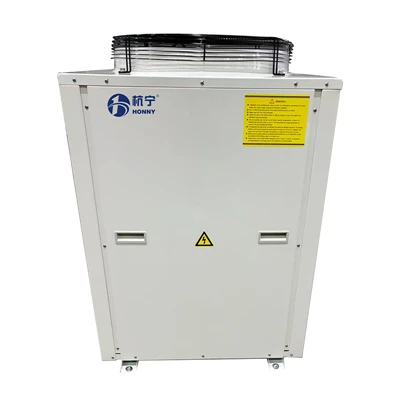
In conclusion, a swimming pool heat pump can definitely have an impact on your pool’s water chemistry. It can affect the pH level, chlorine levels, alkalinity, and calcium hardness. But with a little knowledge and some proactive maintenance, you can manage these effects and keep your pool water clean, safe, and comfortable.
Grain Cooler If you’re in the market for a swimming pool heat pump or want to learn more about how to keep your pool water chemistry in balance, don’t hesitate to reach out. We’re here to help you find the perfect heat pump for your pool and answer any questions you might have. Whether you’re a new pool owner or a seasoned pro, we’ve got the expertise to ensure you get the most out of your swimming pool. Let’s start a conversation and see how we can make your pool experience even better!
References
- "Pool and Spa Water Chemistry" by David Santry
- "The Complete Guide to Swimming Pool Maintenance" by Jeff Click
Hangzhou Honny Heat Energy Technology Co., Ltd.
We are one of the most experienced swimming pool heat pump manufacturers and suppliers in China. With a professional production team, we are able to meet the needs of the majority of our customers. Please feel free to wholesale customized swimming pool heat pump from our factory. Also, quotation is available.
Address: Dingshan Village, Wenyan Subdistrict, Xiaoshan District, Hangzhou City, Zhejiang Province
E-mail: 524435406@qq.com
WebSite: https://www.hnrnkj.com/
