Hey there! I’m a supplier of Microbial Detection Kits, and I often get asked about whether there are differences in these kits based on the detection method. Well, the short answer is yes, there are some pretty significant differences, and today, I want to break it down for you. Microbial Detection Kits

First off, let’s talk about the most common detection methods used in microbial detection kits. You’ve got culture – based methods, molecular methods, and immunological methods. Each of these has its own pros and cons, and they’re suited for different situations.
Culture – based Detection Kits
Culture – based detection kits have been around for a long time. The basic idea behind them is to grow the microorganisms in a laboratory setting. You take a sample, whether it’s from food, water, or a patient’s body, and you put it on a special growth medium. This medium provides all the nutrients the microbes need to grow.
The good thing about culture – based kits is that they’re pretty straightforward. They can give you a clear visual of what’s growing in the sample. For example, if you’re testing food for the presence of harmful bacteria like Salmonella, you can see the colonies of these bacteria on the plate. You can also do further tests on these colonies to determine their exact characteristics.
But there are some drawbacks too. One big issue is the time it takes. It can take days, sometimes even weeks, for the microbes to grow enough to be detected. This is a real problem in situations where you need quick results, like in a food processing plant where a batch of food might be on its way to market. Another problem is that some microorganisms are really hard to grow in the lab. They might need very specific conditions that are difficult to replicate, so you could end up missing some potentially harmful bugs.
Molecular Detection Kits
Molecular detection kits are a bit more high – tech. These kits work by detecting the genetic material of the microorganisms, usually DNA or RNA. They use a technique called polymerase chain reaction (PCR) or its variants. PCR is like a copy machine for DNA. It can take a tiny amount of DNA from a sample and make millions of copies of it, which are then easier to detect.
One of the biggest advantages of molecular detection kits is the speed. You can get results in a matter of hours, which is a huge plus in many industries. For example, in a clinical setting, a doctor can quickly determine if a patient has a viral or bacterial infection and start the right treatment right away.
They’re also very sensitive. They can detect even very small amounts of microorganisms, which is great for early detection of an infection or contamination. However, molecular kits can be pretty expensive. The equipment needed to run the tests is costly, and the reagents used in the kits are also not cheap. Plus, they require trained personnel to operate, so not every place can use them easily.
Immunological Detection Kits
Immunological detection kits rely on the immune system’s response to microorganisms. They use antibodies, which are proteins that the body makes to fight off invaders. These antibodies are designed to bind specifically to certain parts of the microorganisms, like their surface proteins.
Immunological kits are relatively easy to use. You don’t need a lot of fancy equipment, and they can give you results pretty quickly, often within minutes. They’re also suitable for on – site testing. For instance, in a food safety inspection, an inspector can use an immunological kit right at the food production facility to check for the presence of pathogens.
But they’re not as specific as molecular methods. Sometimes, the antibodies can bind to other substances that are similar to the target microorganism, giving false – positive results. And they may not be able to detect very low levels of microbes as accurately as molecular kits.
Differences in Applications
The differences in detection methods also lead to differences in the applications of these microbial detection kits.
Culture – based kits are still widely used in research. Scientists use them to study the growth and behavior of microorganisms. In clinical settings, they can be used for things like diagnosing tuberculosis, where the slow – growing bacteria can be cultured over time for a definitive diagnosis.
Molecular kits are popular in the pharmaceutical and biotech industries. They’re used for quality control during the production of vaccines and drugs to make sure there are no microbial contaminants. They’re also crucial in forensic science, where they can be used to detect the presence of microorganisms at a crime scene.
Immunological kits are very common in food safety and environmental monitoring. In the food industry, they can be used to quickly check if a batch of food is contaminated with dangerous bacteria or viruses. In environmental monitoring, they can help detect the presence of harmful microbes in water sources.
Cost and Accessibility
Cost is another factor that varies based on the detection method. Culture – based kits are generally the cheapest. The growth media and basic equipment needed are relatively inexpensive, and they don’t require a lot of specialized training to use. This makes them accessible to smaller laboratories and facilities with limited budgets.
Molecular kits, on the other hand, are the most expensive. The cost of the PCR machines, the reagents, and the trained staff all add up. This means that they’re more likely to be found in large – scale laboratories, research institutions, or well – funded healthcare facilities.
Immunological kits fall somewhere in the middle. They’re more affordable than molecular kits, and since they’re easy to use, they can be used by a wider range of people, including field workers and on – site inspectors.
Choosing the Right Kit
As a supplier of microbial detection kits, I often help my customers choose the right kit for their needs. If you need a quick and accurate result, and you have the budget and trained staff, a molecular kit might be the way to go. But if you’re on a tight budget and time isn’t as critical, a culture – based kit could work for you. And if you need to do on – site testing, an immunological kit is likely the best option.
In conclusion, understanding the differences in microbial detection kits based on the detection method is crucial for anyone who needs to test for microorganisms. Whether you’re in the food industry, healthcare, research, or environmental monitoring, choosing the right kit can make a big difference in your work.
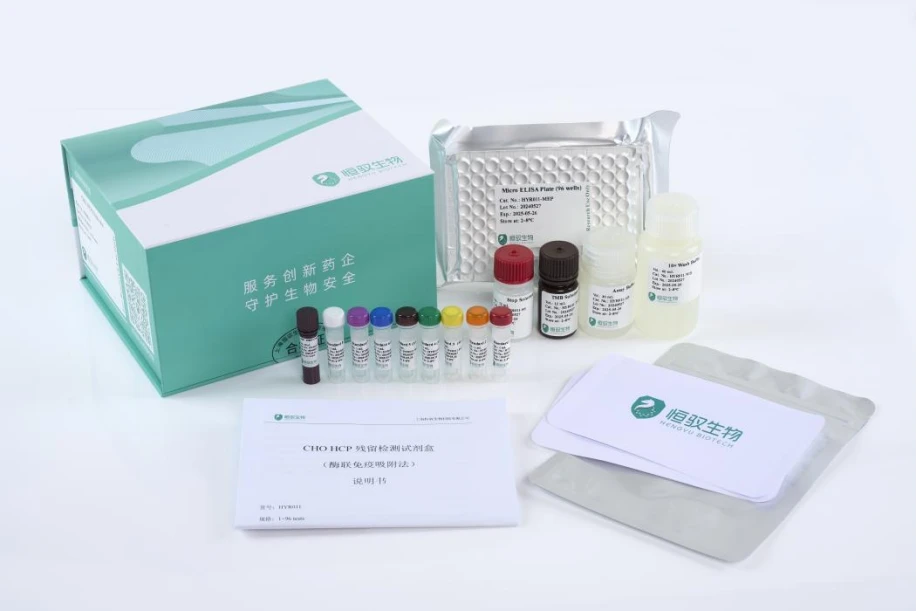
Host Cell Residual Protein Detection Kits So, if you’re in the market for microbial detection kits and need help figuring out which one is best for you, don’t hesitate to reach out. I’m here to offer my expertise and help you get the most suitable kits for your specific requirements. Let’s start a conversation about your microbial detection needs and see how we can solve your problems together.
References
- Murray, P. R., Rosenthal, K. S., & Pfaller, M. A. (Eds.). (2015). Medical Microbiology. Elsevier.
- Patel, R., & Burnham, C. – A. D. (Eds.). (2018). Manual of Clinical Microbiology. ASM Press.
- Favero, M. S., & Bond, W. W. (Eds.). (2017). Fundamentals of Sterilization and Disinfection. CRC Press.
HyQure Biotech Co., Ltd.
As a professional microbial detection kits enterprise in China and Switzerland, we rely on international compliance standards, leverages excellent quality and technical strength. If you have any enquiry about cooperation, please feel free to email us.
Address: Building 18, Lane 2777 East Jinxiu Road, Pudong New Area, Shanghai 2.Stücki Park Hochbergerstr. 60 I, 4057 Basel Switzerland
E-mail: service@hyqure.com
WebSite: https://www.hyqure.com/
