As a supplier of Ford, GMC, and Mazda chassis and suspension systems, I’ve encountered numerous customers expressing concerns about whether the components they’re getting are original or aftermarket. It’s a valid worry, as the choice between original and aftermarket parts can significantly impact vehicle performance, safety, and longevity. In this blog, I’ll share my expertise on how to tell if the chassis and suspension system of your Ford, GMC, or Mazda is original or aftermarket. For Ford GMC Mazda Chassis and Suspension Systems

Understanding Original and Aftermarket Parts
Before delving into the identification process, it’s crucial to understand the difference between original and aftermarket chassis and suspension parts.
Original Equipment Manufacturer (OEM) parts are produced by the same manufacturer or a supplier approved by the vehicle’s original manufacturer. These parts are designed to meet the exact specifications of your Ford, GMC, or Mazda, ensuring a perfect fit and compatibility with the vehicle’s other components. When you buy an OEM part, you’re essentially getting the same part that came with your vehicle from the factory.
On the other hand, aftermarket parts are produced by third – party manufacturers. They can vary widely in terms of quality, design, and price. Some aftermarket parts are designed to be direct replacements for OEM parts, while others may offer enhanced performance or lower cost.
Visual Inspection
One of the first steps in determining whether a chassis or suspension part is original or aftermarket is a visual inspection.
Branding and Markings
OEM parts usually come with clear markings indicating the vehicle manufacturer or the approved supplier. For example, Ford parts may have the Ford logo, part number, and other identifying information laser – etched or stamped on the component. These markings are often precise and of high quality.
Aftermarket parts, however, may have the branding of the third – party manufacturer. Some aftermarket brands try to mimic the look of OEM markings, but upon closer inspection, you may notice differences in font, size, or the clarity of the markings. If the markings seem smudged, poorly printed, or look out of place, it could be a sign that the part is aftermarket.
Packaging
OEM parts typically come in packaging that is consistent with the vehicle manufacturer’s standards. The boxes are usually well – designed, with the vehicle manufacturer’s logo, part number, and detailed product information. The packaging materials are of good quality, and there are often instructions or warnings included.
Aftermarket parts may come in a variety of packaging styles. Some high – end aftermarket brands may have well – designed packaging, but in many cases, the packaging may be less professional or lack the detailed information provided by OEM packaging. Additionally, the presence of promotional stickers or materials on the box that are not related to the vehicle manufacturer can be an indicator of an aftermarket part.
Fit and Finish
OEM parts are engineered to fit perfectly with your vehicle. The chassis and suspension components will have precise dimensions and smooth surfaces. For example, a shock absorber should fit snugly into its mounting points without any gaps or misalignments.
Aftermarket parts may have minor variations in fit. The edges may be rougher, or there may be slight differences in the dimensions compared to OEM parts. These differences can sometimes affect the performance and safety of the suspension system. For instance, a misfitting bushing could cause increased vibration or premature wear on other components.
Documentation and Part Numbers
Part Numbers
OEM parts always have a specific part number assigned by the vehicle manufacturer. You can find this part number in your vehicle’s service manual or by contacting the dealership. When you purchase a part, make sure to check the part number on the component itself and compare it with the official part number for your vehicle.
If the part number doesn’t match or if the part doesn’t have a part number at all, it’s likely an aftermarket part. Some aftermarket manufacturers may use their own part numbering systems, which can make it difficult to cross – reference with OEM numbers. In such cases, you may need to do some research to determine if the aftermarket part is a suitable replacement.
Certifications and Documentation
OEM parts often come with certification documents that prove their authenticity and compliance with the vehicle manufacturer’s standards. These documents may include quality control certificates, test reports, and warranty information.
Aftermarket parts may or may not have such comprehensive documentation. Some high – quality aftermarket manufacturers do provide certificates and warranties, but the level of detail and authenticity can vary. If the part you receive comes without any documentation or with vague warranty terms, it’s a factor that may suggest it’s an aftermarket part.
Performance and Quality Evaluation
Ride Quality
One of the best ways to evaluate the authenticity of chassis and suspension parts is through the vehicle’s ride quality. OEM parts are designed to provide a smooth and stable ride that is consistent with the vehicle’s original performance characteristics. If you notice a significant change in the ride quality after replacing a chassis or suspension component, such as increased noise, vibration, or a harsher ride, it could be a sign that the part is an aftermarket part with lower quality or incorrect specifications.
Durability
OEM parts are generally built to last, as they are tested and engineered to withstand the rigors of everyday driving. Aftermarket parts may have varying degrees of durability. Some may be just as durable as OEM parts, while others may wear out more quickly. If you find that a newly replaced part shows signs of premature wear or damage, it may be an aftermarket part that is not up to the same standards as the OEM.
Supplier Reputation
When purchasing chassis and suspension parts, the reputation of the supplier is crucial. As a reliable supplier of Ford, GMC, and Mazda chassis and suspension systems, we take pride in providing genuine OEM parts. A reputable supplier will have a long – standing relationship with the vehicle manufacturers or authorized distributors.
You can check a supplier’s reputation by reading customer reviews, looking at their business history, and verifying their certifications. If a supplier offers parts at extremely low prices or is unable to provide detailed information about the parts’ origin and quality, it’s a red flag that the parts may be aftermarket and of questionable quality.
Why Choose OEM Parts?
There are several reasons why choosing OEM chassis and suspension parts for your Ford, GMC, or Mazda is a wise decision.
Firstly, OEM parts ensure optimal performance. Since they are designed to meet the exact specifications of your vehicle, they work seamlessly with other components, providing a smooth and stable ride.
Secondly, OEM parts offer better safety. The vehicle manufacturers conduct rigorous safety tests on their original parts, so you can have peace of mind knowing that your vehicle’s suspension system is reliable and safe.
Finally, OEM parts often come with a warranty. This means that if there is a problem with the part, you can get it repaired or replaced without incurring additional costs.
Contact Us for Genuine Parts
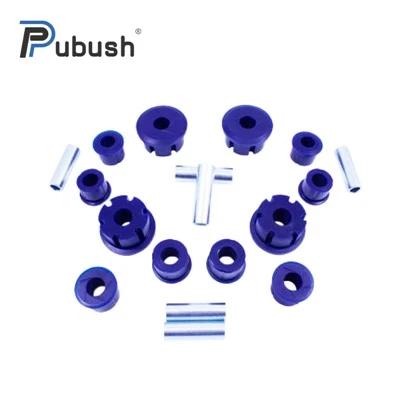
If you’re in the market for high – quality Ford, GMC, or Mazda chassis and suspension systems, look no further. As a trusted supplier, we are committed to providing you with genuine OEM parts that meet the highest standards of quality and performance. Whether you’re a professional mechanic or a DIY enthusiast, we have the parts you need to keep your vehicle running smoothly.
Skid Plate Get in touch with us to discuss your procurement needs. We are happy to answer any questions you may have and help you find the right parts for your vehicle.
References
- "Automotive Chassis Systems" by Tom Denton.
- "Vehicle Suspension Design and Analysis" by J. Crolla.
- Service manuals for Ford, GMC, and Mazda vehicles.
Xingtai Refined Machinery and Auto Accessory Co., Ltd.
Xingtai Refined Machinery and Auto Accessory Co., Ltd. is one of the most professional for ford gmc mazda chassis and suspension systems manufacturers and suppliers in China, featured by quality products and low price. Please rest assured to wholesale durable for ford gmc mazda chassis and suspension systems made in China here from our factory. Customized orders are welcome.
Address: XINGTAI REFINED MACHINERY AND AUTO ACCESSORY CO., LTD507 NORTH TAIHANG ROAD, XINGTAI CITY, HEBEI PROVINCE, PR.
E-mail: lindy@rfauto.biz
WebSite: https://www.pubush-suspension.com/
