Connecting sections of a stainless steel cable tray is a critical step in the installation process, ensuring a secure and reliable system for managing electrical cables. As a supplier of stainless steel cable trays, I’ve witnessed firsthand the importance of proper connection techniques. In this blog, I’ll share some valuable insights on how to connect sections of a stainless steel cable tray effectively. Stainless Steel Cable Tray

Understanding the Basics of Stainless Steel Cable Trays
Before delving into the connection process, it’s essential to understand what stainless steel cable trays are and their significance. Stainless steel cable trays are used to support and route electrical cables in various industrial, commercial, and residential settings. They offer several advantages, including high strength, corrosion resistance, and durability. These trays come in different types, such as ladder, ventilated trough, and solid bottom, each designed to meet specific application requirements.
Tools and Materials Required
To connect sections of a stainless steel cable tray, you’ll need the following tools and materials:
- Cable Tray Sections: Ensure that you have the appropriate type and size of stainless steel cable tray sections for your project. The sections should be of high quality and meet industry standards.
- Connectors: There are different types of connectors available for joining cable tray sections, such as straight connectors, elbow connectors, tee connectors, and cross connectors. Choose the connectors based on the layout and configuration of your cable tray system.
- Fasteners: Stainless steel bolts, nuts, and washers are commonly used to secure the connectors to the cable tray sections. Make sure the fasteners are the correct size and grade to provide a tight and reliable connection.
- Cutting Tools: In some cases, you may need to cut the cable tray sections to fit the specific dimensions of your installation. Use a suitable cutting tool, such as a hacksaw or a power cutter, to make clean and accurate cuts.
- Measuring Tools: A tape measure and a level are essential for ensuring proper alignment and spacing of the cable tray sections during installation.
Step-by-Step Guide to Connecting Stainless Steel Cable Tray Sections
- Prepare the Work Area: Before starting the installation, clean the work area and remove any debris or obstacles. Ensure that the surface where the cable tray will be installed is flat, level, and free from any sharp edges or projections.
- Measure and Mark: Use a tape measure to determine the exact location and spacing of the cable tray sections. Mark the positions on the floor, wall, or ceiling using a pencil or a marker. Make sure the marks are accurate and aligned with the layout plan.
- Cut the Cable Tray Sections: If necessary, cut the cable tray sections to the required length using a cutting tool. Take care to make straight and clean cuts to ensure a proper fit. After cutting, deburr the edges of the sections to prevent damage to the cables.
- Install the First Section: Begin by installing the first cable tray section at the marked location. Use a level to ensure that the section is perfectly horizontal or vertical, depending on the installation requirements. Secure the section to the surface using the appropriate fasteners.
- Connect the Sections: Once the first section is installed, connect the subsequent sections using the appropriate connectors. Align the sections carefully and insert the connectors into the slots or holes provided at the ends of the sections. Make sure the connectors are fully engaged and seated properly.
- Secure the Connectors: Use stainless steel bolts, nuts, and washers to secure the connectors to the cable tray sections. Tighten the fasteners firmly, but avoid over-tightening, as this may damage the tray or the connectors. Use a torque wrench to ensure that the fasteners are tightened to the recommended torque specifications.
- Check the Alignment and Spacing: After connecting the sections, check the alignment and spacing of the cable tray system. Use a level and a tape measure to ensure that the system is straight, level, and properly spaced. Make any necessary adjustments to ensure a perfect fit.
- Install Intermediate Supports: Depending on the length and load of the cable tray system, you may need to install intermediate supports to provide additional stability and support. These supports can be brackets, hangers, or posts, and they should be installed at regular intervals along the length of the tray.
- Finish the Installation: Once all the sections are connected and the supports are installed, inspect the cable tray system for any loose connections, sharp edges, or other defects. Make any necessary repairs or adjustments to ensure the system is safe and reliable. Finally, clean the tray and remove any debris or dirt.
Tips for a Successful Cable Tray Installation
- Plan Ahead: Before starting the installation, carefully plan the layout and configuration of the cable tray system. Consider the number and size of the cables, the routing requirements, and the available space. A well-planned installation will save time and effort in the long run.
- Use the Right Tools and Materials: Make sure you have the correct tools and materials for the job. Using the wrong tools or materials can result in a poor-quality installation and may compromise the safety and reliability of the system.
- Follow the Manufacturer’s Instructions: Always follow the manufacturer’s instructions and recommendations for installing the cable tray system. This includes the proper use of connectors, fasteners, and supports, as well as the recommended installation procedures.
- Ensure Proper Grounding: To prevent electrical hazards, make sure the cable tray system is properly grounded. This can be achieved by connecting the tray to a grounded electrical system or by using grounding straps or conductors.
- Inspect the System Regularly: After the installation is complete, inspect the cable tray system regularly for any signs of damage, wear, or corrosion. Make any necessary repairs or replacements as soon as possible to ensure the continued safety and reliability of the system.
Why Choose Our Stainless Steel Cable Trays
As a leading supplier of stainless steel cable trays, we offer a wide range of high-quality products that are designed to meet the needs of various industries and applications. Here are some reasons why you should choose our cable trays:
- Quality Assurance: We are committed to providing our customers with the highest quality products. All our cable trays are manufactured using premium-grade stainless steel and are subject to strict quality control measures to ensure they meet or exceed industry standards.
- Customization Options: We understand that every project has unique requirements. That’s why we offer a variety of customization options, including different sizes, shapes, and finishes, to meet your specific needs.
- Expertise and Experience: With years of experience in the industry, our team of experts has the knowledge and expertise to provide you with the best solutions for your cable management needs. We can offer technical support and guidance throughout the installation process to ensure a successful project.
- Competitive Pricing: We believe that high-quality products should not come at a high price. That’s why we offer our cable trays at competitive prices without compromising on quality.
- Excellent Customer Service: At our company, we value our customers and strive to provide them with the best possible service. Our customer service team is always available to answer your questions and address your concerns.
Contact Us for Your Cable Tray Needs
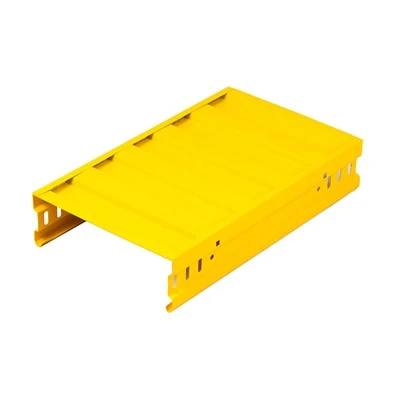
If you’re looking for high-quality stainless steel cable trays and expert advice on installation and connection, look no further. We are here to help you with all your cable management needs. Whether you’re working on a small residential project or a large industrial installation, our products and services are designed to meet your requirements.
Cable Tray Systems Don’t hesitate to reach out to us if you have any questions or need a quote. We look forward to the opportunity to work with you and provide you with the best cable tray solutions. Let’s start a conversation about your project today!
References
- National Electrical Code (NEC)
- TIA/EIA Standards for Telecommunications Cabling
- Manufacturer’s Installation Guides for Stainless Steel Cable Trays
Hebei Jinglang Industrial Co., Ltd.
As one of the most professional stainless steel cable tray manufacturers and suppliers in China, we also support customized service. We warmly welcome you to wholesale high quality stainless steel cable tray in stock here from our factory. If you have any enquiry about quotation, please feel free to email us.
Address: Nanxinzhuang Village, Daweihe Hui and Manchu Township, Wen’an County, Langfang City, Hebei Province
E-mail: 18231629992@163.com
WebSite: https://www.jinglangcabletray.com/
