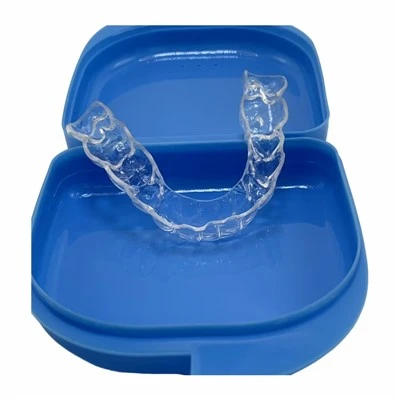
Children are in a stage of rapid growth and development, which is different from adults in many aspects, including oral and dental conditions. The question of whether children can get fixed prostheses is a complex one that requires a comprehensive understanding of the child’s physical condition, dental development, and specific needs. As a provider of fixed prostheses, I’ve often encountered inquiries about this topic from parents and dental professionals. In this blog, I’ll share some insights based on scientific knowledge and practical experience. Fixed Prostheses
Understanding Children’s Dental Development
Children’s teeth go through a series of developmental stages, starting from the eruption of primary teeth (baby teeth) to the replacement with permanent teeth. The process typically begins around the age of six months when the first primary tooth emerges and continues until all 20 primary teeth have erupted by about the age of three years. The transition to permanent teeth usually starts around the age of six and can last until the late teens or early twenties.
During this dynamic process of dental development, the oral environment is constantly changing. The size and shape of the jaws are growing, and the position of the teeth is also adjusting. These changes are fundamental factors to consider when evaluating the suitability of fixed prostheses for children. Given that their jaws and teeth are in a state of flux, installing fixed prostheses at the wrong time can interfere with normal growth and development, leading to misaligned teeth and bite problems.
Situations Where Fixed Prostheses May Be Considered for Children
Despite the challenges posed by dental development, there are certain circumstances where fixed prostheses may be a viable option for children.
Dental Trauma
Accidents can happen, and children are particularly prone to dental trauma due to their active lifestyles. A knocked-out tooth or a severely damaged tooth can significantly impact a child’s oral function and aesthetic appearance. In such cases, a fixed prosthesis may be used to restore the missing or damaged tooth and improve the child’s ability to chew, speak, and smile.
For example, if a child loses a permanent tooth in a sports accident, a fixed dental implant or a dental bridge may be considered after a thorough evaluation by a pediatric dentist or an oral and maxillofacial surgeon. However, the age at which dental implants can be placed is critical because the child’s jawbone must be fully developed to support the implant. In most cases, this means waiting until the child has reached late adolescence or early adulthood.
Congenital Tooth Anomalies
Some children are born with missing teeth or tooth defects due to genetic factors. These congenital anomalies can affect the normal development of the dentition and lead to aesthetic and functional problems. In certain situations, fixed prostheses can be used to address these issues.
For instance, a child with hypodontia (missing teeth) may benefit from a fixed dental bridge or a partial denture to replace the missing teeth and maintain the proper alignment of the remaining teeth. However, the treatment plan must take into account the child’s growth potential and the need for future adjustments as the jaws continue to develop.
Severe Tooth Decay
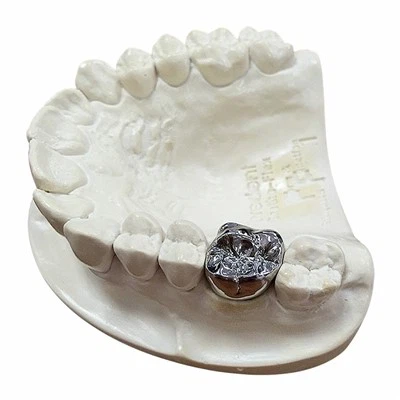
If a child has extensive tooth decay that has damaged a large portion of a tooth, a fixed crown may be used to restore the tooth’s structure and function. A crown can protect the remaining tooth from further decay and prevent the tooth from breaking.
However, when using fixed crowns in children, dentists need to select materials that are suitable for their growing teeth. Stainless steel crowns are commonly used in primary teeth because they are durable and can withstand the chewing forces of young children. For permanent teeth, ceramic crowns may be a better option due to their aesthetic appeal and biocompatibility.
Potential Risks and Considerations
While fixed prostheses can offer solutions in certain situations, they also come with potential risks and considerations, especially in children.
Interference with Dental Growth
As mentioned earlier, children’s jaws and teeth are still growing. Placing a fixed prosthesis too early can interfere with the normal development of the dentition. For example, a dental bridge that is placed before the adjacent teeth have fully erupted may prevent the proper alignment and growth of these teeth. Similarly, dental implants may not integrate properly with the growing jawbone, leading to complications in the future.
Maintenance and Oral Hygiene
Children may have difficulty maintaining proper oral hygiene, especially when wearing fixed prostheses. Food particles and plaque can easily accumulate around the prosthesis, increasing the risk of tooth decay and gum disease. Parents and caregivers need to be educated about the importance of daily oral care, including brushing and flossing around the prosthesis.
Long – Term Treatment Planning
Since children’s dental conditions are likely to change as they grow, long – term treatment planning is essential. A fixed prosthesis that is suitable for a child at a certain age may need to be replaced or adjusted as the child’s dental and facial development progresses. Dentists need to closely monitor the child’s growth and make appropriate treatment adjustments as needed.
Our Role as a Fixed Prostheses Supplier
As a fixed prostheses supplier, we understand the unique needs and challenges associated with providing prostheses for children. We work closely with dental professionals to offer a range of high – quality products that are safe and suitable for pediatric patients.
We source materials that are biocompatible and meet the strict safety standards set by regulatory authorities. For example, we offer ceramic materials that are both aesthetically pleasing and safe for use in children’s mouths. Our dental crowns and bridges are designed to be durable and comfortable, ensuring proper function and a natural appearance.
In addition to providing high – quality products, we also offer technical support to dental professionals. We assist them in selecting the most appropriate prostheses based on the child’s specific condition and development stage. Our team of experts can provide guidance on installation techniques and after – care instructions to ensure the best possible outcomes for pediatric patients.
Conclusion
The decision of whether children can get fixed prostheses is not a straightforward one. It requires a careful assessment of the child’s dental development, the specific condition of the teeth, and the potential risks and benefits. While there are situations where fixed prostheses can be beneficial for children, such as dental trauma, congenital tooth anomalies, and severe tooth decay, it is crucial to approach the treatment with caution and a long – term perspective.
Metal Framework As a fixed prostheses supplier, we are committed to providing safe, high – quality products and professional support to dental professionals who are treating pediatric patients. If you are a dental professional interested in learning more about our fixed prostheses for children or have questions about their suitability in specific cases, please feel free to reach out to us. We are here to help you make informed decisions and provide the best possible care for your young patients.
References
- American Academy of Pediatric Dentistry. Guidelines on Dental Prophylaxis. American Academy of Pediatric Dentistry; 2023.
- Harrison JE, Sadowsky C. Pediatric Dentistry: Infancy Through Adolescence. Elsevier; 2022.
- Proffit WR, Fields HW, Sarver DM. Contemporary Orthodontics. Elsevier; 2021.
Shenzhen Tuomei Dental Technology Co., Ltd.
We are one of the most professional fixed prostheses manufacturers and suppliers in China, featured by quality products and low price. Please rest assured to buy discount fixed prostheses made in China here from our factory. Welcome to view our website for more information.
Address: Room 301, Building C Fuhe Industrial Park No.18 Hexiu West Road, Zhancheng Community Fuhai Subdistrict, Bao’an District, Shenzhen, Guangdong, China
E-mail: dentallab.works@gmail.com
WebSite: https://www.sztuomeidentallab.com/
