Hey there! If you’ve landed here, chances are you’re either a fellow in the bimetal side plates game or someone new to sourcing these bad boys—and let’s be real, transporting them without turning a solid, high-performing part into a scuffed, useless mess is no joke. I’ve been in the supplier trenches for, um, let’s say over a decade now, and I’ve seen it all: parts scratched so bad they’d fail quality checks, boxes crushed under pallet jacks, even a whole shipment of bimetal side plates that got rusty because someone forgot to wrap them right. Today, I’m spilling all the secrets I’ve learned (the hard way, mostly) on how to move these things safely—whether you’re sending them across the warehouse, across the city, or across the country. Bimetal Side Plates
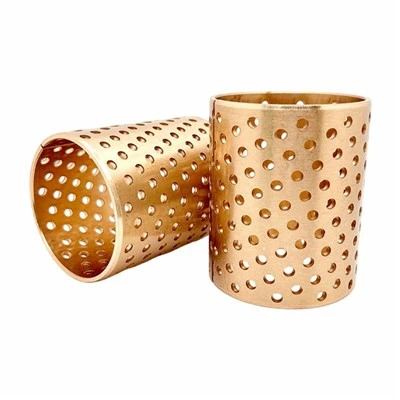
First off, let’s cut the crap: what even makes bimetal side plates tricky to transport? Unlike plain steel plates, these bad boys have two metal layers bonded together—usually a tough, wear-resistant layer (like carbide or high-chrome steel) and a core layer (regular carbon steel) for strength. That dual-layer magic is what makes them perfect for things like bulldozer blades, conveyor systems, and mining equipment, but it also means they’re prone to two big issues: surface damage on that hard outer layer (which is the whole point of the part, by the way) and rust on the inner carbon steel if moisture gets in. One scratch on the wear layer and a customer might send it back—one tiny rust spot and you’re looking at extra work or worse, a lost client. So safety here isn’t just about avoiding dents; it’s about protecting that critical bimetal bond too.
Let’s start with the basics before they even hit a truck or a pallet. Prepping the plates for transport is non-negotiable, and I don’t mean just throwing them in a box. First, give every single plate a quick visual check before wrapping. Look for any existing surface scratches, nicks, or even tiny burrs along the edges—those little burrs can catch on packaging material during transport and tear or scratch the wear layer. If you spot any, smooth ’em down with a wire brush or sandpaper (fine-grit, not coarse—we don’t want new scratches) right away. Trust me, fixing that upfront is way easier than dealing with a damaged part later.
Next up is cleaning them. I know, it’s an extra step, but leftover oil, debris, or even manufacturing residue can trap moisture against the metal, leading to rust faster than you can say “shipping delay.” For most bimetal plates, a simple wipe-down with a mild degreaser (nothing too harsh—you don’t want to damage the wear layer’s coating) and a dry microfiber cloth works like a charm. For bigger, dirtier plates, a quick rinse with pressure washer (low pressure, so you don’t warp the thin edges) followed by immediate drying is perfect. Pro tip: don’t skip the gaps between the two metal layers—even a tiny bit of moisture there can cause the bond to weaken over time. Blow those out with compressed air after drying, okay?
Now, the big one: wrapping. This is where most people mess up, and I’ve seen so many shipments go south because of bad wrapping. Let’s split this into two parts: small quantities (like 10-20 plates) and bulk shipments (50+ plates), since they need totally different approaches. For small orders, I swear by two layers: first, a soft protective wrap, and then a moisture barrier. The soft layer is key for preventing surface scratches—you don’t want steel-on-steel contact, right? I use either foam sheeting (the kind with a closed-cell surface, not open-cell) or kraft paper that’s been waxed. Wait, why closed-cell foam? Because it’s water-resistant, so if there’s a tiny spill, it won’t seep through. For each plate, wrap it individually. Fold the foam or paper over the plate, tuck the edges tight, and use a plastic strapping band (not duct tape—duct tape leaves a sticky residue that’s a pain to clean off for customers) to secure it. No tape directly on the wear layer, either—tape pulls off the hard coating and leaves marks. Trust me, I learned that the hard way when a shipment came back with tape residue all over 50 plates.
Then the moisture barrier: after every plate is wrapped individually, group them together and wrap the whole stack in a heavy-duty plastic sheeting (like 6-mil poly, not the thin stuff you get at the dollar store). If you’re shipping to a humid place or during a rainy season, add a desiccant pack or two—those little silica gel packets are worth their weight in gold. Stick ’em in the middle of the stack, not just on top, so they can absorb any moisture that gets trapped inside the plastic. Then seal the plastic tight with a heat sealer or heavy-duty strapping, so no air or moisture can get in. For bulk shipments, skip the individual wrapping if you’re stacking them on a pallet (though I still recommend soft dividers between each layer). Use the same closed-cell foam sheets or corrugated plastic dividers—they’re rigid enough to keep plates from rubbing against each other. Stack the plates vertically on the pallet, not horizontally. Wait, why vertical? Because if you stack them flat, the weight of the top plates can bend the bottom ones—even bimetal plates have a limit. Vertical stacking distributes the weight evenly, and it’s way easier to load and unload without damaging edges. Leave about an inch of space between the top of the stack and the pallet’s top edge so you can add another layer of plastic or a pallet cap to keep dirt out.
Now, pallet and loading stuff. You can wrap the best plates in the world, but if you put them on a flimsy pallet or throw them on a truck, they’ll still get damaged. First, use a heat-treated wooden pallet (no pallets with loose boards or splinters—those can poke through packaging or scratch plates). Secure the stack to the pallet with heavy-duty polyester strapping (steel strapping works too, but polyester is lighter and doesn’t rust or scratch the metal) tightened evenly across the stack—don’t just tighten the top, go every 12 inches or so down the sides. If you’re stacking multiple layers on a pallet, add corner protectors at each edge of the stack to stop the strapping from digging into the plates during transport. On the truck side, make sure the pallet is loaded in a way that it doesn’t slide. Use rubberized load bars or even old foam pads between the pallet and the truck walls. Avoid putting heavy items on top of the pallet—like toolboxes or extra pallets—because that can crush the stack. And if you’re shipping long-distance, ask the driver (or use a freight company that specializes in metal parts) to keep the truck’s interior as dry as possible. No leaving pallets out in the rain while loading, please—rain on wrapped plates might not be obvious, but it’s a risk.
Wait, what about special cases? Like oversized bimetal side plates—say, 5 feet or more? Those need a different game plan. Don’t stack them at all, because their length makes them prone to bending. Instead, load them lengthwise in the truck, and use custom crates if needed. The crates should be made of heavy plywood or steel, with foam lining the inside to prevent movement. For really long plates, add support beams inside the crate every 2 feet to keep the plate from sagging. Also, label those oversized parts clearly so the driver doesn’t try to stack anything on top of them—big parts are easy to overlook, and that’s when damage happens. Another special case: cold or hot climates. If you’re shipping to a place with extreme cold, make sure the plastic wrapping is thick enough—thin plastic can crack in low temps, letting moisture in. In extreme heat, avoid wrapping the plates in plastic that’s too tight, because heat can trap moisture inside the package. Leave a tiny gap in the seal if it’s super hot, so a little air can circulate without letting in dirt or rain.
Oh, and don’t forget labeling! This is something so many suppliers skip, but it’s a lifesaver for both you and the customer. Label every package with “BIMETAL SIDE PLATES – DO NOT DROP” and “KEEP DRY” in big, bold letters. If the plates are for a specific customer or project, add that too. Also, add the part number—if a package gets separated, you don’t want to go digging through a pile of random metal parts to find which ones are for which order. Pro tip: Use weatherproof labels, not paper ones that get soaked and fall off.
Let me hit you with a real quick story to drive this home. A few years back, I had a client in the mining sector order 75 large bimetal side plates for their new conveyor system. Back then, I was in a hurry and skipped the individual wrapping—just wrapped the whole stack in plastic and added a few desiccants. The shipment went fine for two days, but when it got to the mine, the driver had to leave the truck parked in the rain for 4 hours while they unloaded other stuff. Guess what? The plastic had a tiny tear at the bottom, and moisture got in. The stack of plates was sitting in a puddle of water that seeped under the pallet. By the time we got the plates dry, three of them had small rust spots on the carbon steel core—we had to send them back, redo the wrapping, and pay for the return shipping. That cost me thousands of dollars and made that client nervous about working with us again. Lesson learned: even one tiny tear in the wrapping, even a little moisture, can ruin a shipment.
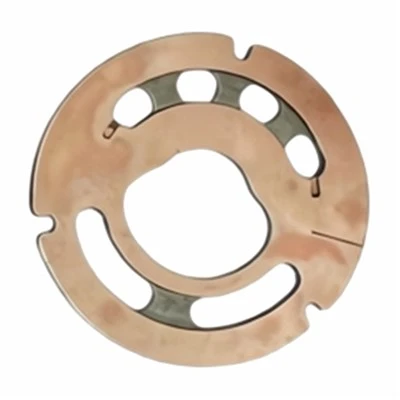
Now, let’s wrap this up (pun intended). The main points to remember: prep the plates by cleaning them and fixing any burrs, wrap individually for small orders or use dividers for bulk, use moisture barriers and desiccants, stack vertical on sturdy pallets, secure well with strapping, load carefully on the truck, label clearly, and adjust for special cases like oversized parts or extreme weather. If you follow these steps, you’ll cut down on damaged shipments, keep your customers happy, and save yourself a ton of time and money.
Bimetal Strips & Sheets If you’re looking to source high-quality bimetal side plates that are ready to transport safely (or need help with your current shipping process), reach out to our team. We’ve got years of experience in handling these parts and can work with you to make sure your order arrives in perfect shape, every single time. No headaches, no damaged parts, just solid, reliable bimetal side plates for your projects.
References
- American Welding Society. (2020). Guidelines for Transporting Dissimilar Metal Assemblies.
- National Association of Corrosion Engineers. (2021). Preventing Surface Corrosion in Industrial Metal Shipments.
- Steel Packaging and Shipping Association. (2019). Best Practices for Securing Metal Plates in Transit.
Qingzhou Baiyun Anti-friction Products Co., Ltd.
With abundant experience, we are one of the most professional bimetal side plates manufacturers and suppliers in China. Please rest assured to wholesale customized bimetal side plates at competitive price from our factory. Welcome to contact us for quotation.
Address: Linglongshan North Road (south of the railway bridge), Economic Development Zone, Qingzhou City, Weifang City, Shandong Province
E-mail: byantifriction@gmail.com
WebSite: https://www.baiyunbimetal.com/
