Hey there, let’s talk about something that’s probably been bugging you if you work with air legs—controlling their working pressure. As someone who’s been supplying these bad boys for years now, I’ve seen way too many folks either crank the pressure so high they’re wearing out parts in weeks or run it too low and get stuck with half-done jobs. Air legs are workhorses, right? Whether you’re using ‘em for mining, tunneling, or even breaking up concrete on a construction site, getting that pressure just right is the difference between smooth operations and total chaos. Today, I’m breaking down exactly how to control that working pressure like a pro, no fancy engineering degree required. Air Leg
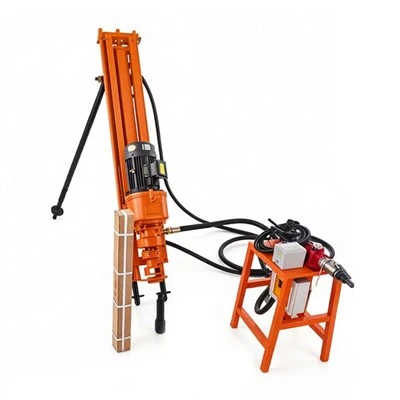
First off, let’s keep this real—air legs (sometimes called pneumatic legs, jacklegs, whatever your crew calls ‘em) run on compressed air, so pressure is their lifeblood. But here’s the thing: every single air leg we supply has a sweet spot, a specific PSI (pounds per square inch) it’s designed to operate at. Mess with that, and you’re asking for trouble. I once had a regular customer a few years back who ignored the manual, jacked his pressure up to 150 PSI just because his old unit could handle it, and ended up with a cracked cylinder and a week of downtime. Dude was not happy when I had to rush him a replacement mid-shift. So step one, before you even touch a regulator, find that recommended working pressure. It’s on the unit’s nameplate—should be between 90 and 120 PSI for most standard air legs we sell. Don’t guess, don’t go by what the guy down the street uses, check that plate. It’s there for a reason.
Now, the main tool you’re gonna use here is a pressure regulator. Simple as that. But you’d be shocked how many people either skip the regulator entirely or just use the one on their air compressor like it’s a universal fix. Newsflash: your compressor’s regulator is for the whole system, not the individual air leg. That’s like using your home’s main water valve to control the shower pressure—works kinda, but not well. When we ship air legs, we usually include a inline regulator as part of the standard setup, but if you lost yours? Go buy a 1/4-inch NPT air regulator (match your air leg’s inlet size, obviously) and install it as close to the unit as possible. The closer, the better—cut down on pressure drops from the hose, which makes your adjustments way more accurate.
How do you actually adjust that regulator? Let’s walk through it. First, make sure the air leg is turned off, no load on it—safety first, always. Then, loosen the lock nut on the regulator so you can turn the adjustment screw. Turn it clockwise to increase pressure, counterclockwise to lower it. Do this slow, like really slow—turning it a quarter of a turn at a time, then wait 10 seconds for the pressure to stabilize. Don’t crank it and check right away, compressed air systems take a sec to balance. Once you get it to that recommended PSI on the nameplate, tighten the lock nut back down. That’s it. Easy, right? But here’s a pro tip from the suppliers side: we recommend getting a inline pressure gauge too, if you don’t have one already. A lot of regulators have a built-in gauge, but if yours doesn’t, slap a cheap 1.5-inch gauge right after the regulator so you can see exactly what pressure your air leg is getting, not what the compressor says it’s putting out. Hoses leak, fittings have backpressure, gauges lie sometimes—don’t rely on guesswork.
Wait, what about when you’re using multiple air legs off one compressor? That’s a whole other ballgame, and I see this mess all the time. If you’re running two or three air legs from a single compressor line, you can’t just use one main regulator. Each air leg needs its own inline regulator. Why? Because every unit has slightly different air flow needs, and if one’s working harder than the others, it’ll drag down the pressure for the rest. I had a job site last month where a crew was running four air legs off one regulator, and the back two were getting 30 PSI less than the front ones. They thought their compressor was broken, turns out they just didn’t split the lines and add individual regulators. Split your air lines, add one regulator per unit, and you’ll get consistent pressure across the board. Game changer.
Now, let’s talk about common pressure problems and how to fix ‘em—this is where experience really pays off. First issue: pressure dropping unexpectedly mid-use. That’s almost always a leak. Check all the fittings, the hose, the air leg’s inlet seal. Even a tiny pinhole in a hose can drop pressure 20 PSI in 10 minutes. I keep a roll of Teflon tape and a pack of fittings in my service truck for this exact reason. Another common one: pressure spikes when the compressor kicks on. That’ll wear out your air leg’s internal parts fast. To fix this, add a air receiver tank between the compressor and your regulators. The tank stores compressed air, so when the compressor kicks on, the tank smooths out the pressure spike before it hits your tools. We recommend a 5-gallon tank for up to three air legs, it’s not expensive and it saves you a ton of replacement parts down the line.
What if you’re working in extreme conditions? Cold weather, for example. Pressure drops when temps drop, right? That’s physics, can’t fight it. If you’re running air legs outside in 30°F or lower, you might need to bump the recommended pressure by 5-10 PSI, but only as a last resort. Don’t go over 130 PSI, that’s the max for most standard units and you’ll void your warranty. Alternatively, use an air line heater or add a little anti-freeze (the kind made for compressed air, not car anti-freeze) to keep moisture from freezing and clogging your lines, which also messes with pressure. On the flip side, hot weather? The opposite, pressure can creep up as air expands. Check your gauge twice a day in 90°F+ heat, just to make sure it’s not over the sweet spot.
Now, a lot of new operators make the mistake of thinking higher pressure equals more power. Let’s bust that myth right now. Yeah, if your air leg is running too slow, you might think cranking up pressure will make it drill or drive faster. But too much pressure causes excessive wear on the piston, seals, and cylinder walls. We see this all the time—units coming back with burnt seals or scored cylinders, and 9 times out of 10 it’s from running 140+ PSI. That extra power isn’t even necessary, by the way. Your air leg is designed to do its job at the recommended pressure, running it lower or higher just messes with efficiency and lifespan. If you need more power, maybe you picked the wrong size air leg for the job, not wrong pressure. Hit us up for a recommendation if you’re not sure what size you need—we’ve got folks on standby to help.
Maintenance also plays a huge role in keeping pressure consistent. If you don’t lubricate your air leg regularly, the moving parts will stick, which makes the air system work harder, leading to pressure drops or spikes. We always recommend using a inline air lubricator, installed after the regulator, right at the air leg. Add a few drops of pneumatic oil each day before use—nothing fancy, just the stuff made for compressed air tools. Skipping lubrication is like driving a car without oil; it’ll seize up way sooner than it should. Also, check your air leg’s air filter monthly. A clogged filter restricts air flow, so even if your regulator is set right, the unit can’t get the air it needs, making pressure feel low. Replace the filter every three months, or sooner if you’re working in dusty environments.
Wait, let’s talk about safety, because this stuff isn’t a game. Controlling working pressure isn’t just about keeping your air leg running—it’s about keeping you safe. Too much pressure can cause the air leg to kick back unexpectedly, or even burst a hose. Last year I heard about a guy who had a hose burst because he was running too much pressure, got hit in the leg and spent a week in the hospital. Not worth it. Always wear safety glasses, gloves, and steel toes when you’re adjusting pressure or working with air legs. And never leave a pressurized air leg unattended, especially if it’s set to high pressure. If you’re done for the day, turn off the compressor, release the pressure from the regulator, and disconnect the hose. Simple steps that prevent accidents.
I know a lot of you are guys on the ground, running these units 10 hours a day, so you don’t have time for fancy tricks or super technical stuff. Let’s sum this up in 5 easy steps that you can do right now, no experience needed: 1) Check your air leg’s nameplate for the recommended working pressure (90-120 PSI for most models we supply). 2) Install or adjust your inline regulator to hit that PSI, using a inline gauge to make sure. 3) Add individual regulators for each air leg if you’re running multiple units off one compressor. 4) Fix leaks and add a receiver tank if you’re dealing with pressure drops or spikes. 5) Lube your unit daily and check your filter monthly to keep pressure consistent.
Look, we’ve been in the air leg game for a minute, and we’ve learned as much from our customers’ mistakes as we have from our own. That’s why we supply not just units, but advice—because we want our customers to get the most out of their gear, not just buy it and hope it works. If you’re dealing with wonky pressure, or you’re not sure which air leg is right for your job, or you need replacement parts, don’t struggle alone. We’re here to help you work through it, no fine print, no sales pitches that don’t make sense.
At the end of the day, controlling your air leg’s working pressure isn’t rocket science. It’s about paying attention, using the right tools, following the manufacturer’s specs, and staying on top of basic maintenance. Skip the urge to crank pressure for extra power, don’t ignore leaks, and take 2 minutes a day to check your settings, and your air leg will run smoother, last longer, and you’ll get way more done on each shift. If you’re ready to upgrade your gear or just need a hand troubleshooting that pressure issue, reach out to our team to chat about your needs. We’re here to make sure you’ve got the right setup for the job, so you can focus on getting the work done, not fixing equipment.
Down The Hole Drill References:
- Occupational Safety and Health Administration (OSHA). Pneumatic Tool Safety Guidelines.
- Compressed Air and Gas Institute (CAGI). Best Practices for Pneumatic System Pressure Control.
- Manufacturer’s Technical Manuals for Standard Air Leg Units.
Quzhou Shenjian Machinery Factory
As one of the most professional air leg manufacturers and suppliers in China, we’re featured by quality products and good service. Please rest assured to wholesale customized air leg from our factory. Also, quotation is available.
Address: No. 42 Bingang Middle Road, Quzhou City, Zhejiang Province
E-mail: 107467114@qq.com
WebSite: https://www.shenjianmach.com/
