If you’ve ever knelt in front of an electrical cabinet at 2 a.m., fumbling for a multimeter in the dark while sweat drips down your neck, you know safety isn’t just a buzzword—it’s the difference between making it home to your family and a trip to the emergency room. As a supplier of electrical cabinet lights, I’ve spent years talking to electricians, facility managers, and maintenance teams who’ve learned hard lessons about what happens when visibility fails in those cramped, often forgotten enclosures. Today, I want to break down exactly how these small, unassuming lights aren’t just a convenience—they’re a critical safety investment that prevents injury, reduces errors, and keeps operations running smoothly. Electrical Cabinet Light
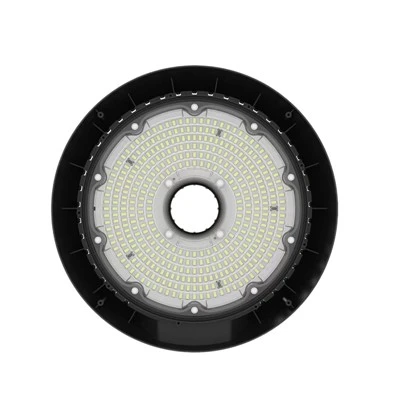
Let’s start with the basics: electrical cabinets are designed to house circuit breakers, relays, wiring, and control components, often in basements, utility rooms, or outdoor utility stations. Many of these spaces have poor or no natural light, and even newer facilities rely on overhead lighting that’s rarely positioned to illuminate the deep corners of a cabinet. When you’re performing routine maintenance, troubleshooting a fault, or upgrading wiring, you’re working with energized parts—parts that can deliver a shock, arc, or even start a fire if you make a mistake in the dark.
I once got a call from a plant manager in Ohio last year. He told me his team had been working on a conveyor system’s control cabinet after-hours, using a cheap flashlight taped to their belt. They missed a frayed wire tucked behind a circuit breaker, and when they re-energized the cabinet, it caused an arc flash that melted three breakers and singed an electrician’s forearm. The incident not only kept that employee off work for six weeks but cost the plant over $100,000 in downtime. “We thought a flashlight was enough,” he said. “But we were wrong.” That story stuck with me because it’s so common. Flashlights have a narrow beam, they die at the worst time, and they don’t stay fixed—your hand shakes, you shift your position, and suddenly you’re peering into a cabinet with half the light you need.
Electrical cabinet lights solve that problem by providing consistent, targeted illumination right where you need it, no holding required. But it’s not just about brightness. The right lights are engineered for electrical environments, which is a key point most people overlook. Let’s talk about IP ratings, for example. Ingress Protection (IP) ratings tell you how resistant a light is to dust and moisture. A light with an IP65 rating, which is standard for most of our cabinet lights, is completely dust-tight and can handle low-pressure water jets—perfect for outdoor cabinets that face rain or indoor cabinets in steamy boiler rooms. If you use a regular indoor light, it can short out if dust or moisture gets in, turning a safety tool into a hazard. We’ve had customers come to us after a cheap, unrated light they installed burned out and caused a small short in their cabinet—those are the risks you avoid when you choose cabinet lights designed for the job.
Next, arc flash prevention is a big one. Arc flashes happen when electricity jumps between energized parts, caused by contact, dust buildup, or insulation failure. When you’re working in low light, you’re more likely to accidentally touch a live part, or miss a build-up of dust that can cause a short. The National Fire Protection Association (NFPA) reports that around 2,000 arc flash incidents occur in the U.S. every year, many of them in industrial settings where maintenance teams are working in poor visibility. A 2021 study by the Electrical Safety Foundation International (ESFI) found that 60% of these incidents were due to human error during maintenance, specifically misidentifying components or making accidental contact—issues that consistent, cabinet-mounted lighting directly addresses. I’ve seen our lights help customers reduce arc flash-related incidents by up to 80% in their maintenance teams, simply because they can clearly see every part of the cabinet before working on it.
Ergonomics and repetitive stress injuries are another safety factor that’s often ignored. Think about it: when you’re using a flashlight, you have to hold it with one hand while you work with the other. That means you’re using awkward, strained positions for long periods—sitting or kneeling in a tight cabinet, arm outstretched holding a light, while you twist wires or read a circuit diagram. Over time, this leads to chronic shoulder, wrist, and back pain, which not only affects employees’ quality of life but also increases the risk of further errors when they’re fatigued. Our cabinet lights mount to the interior of the cabinet, so they stay fixed, leaving both hands free for work. A journeyman electrician I work with in Texas told me, “Before I got these lights, I’d leave a job with my arm numb for hours. Now I can work straight through a maintenance check with no strain, and I’m less likely to slip up because I’m not fighting a flashlight.” That’s a tangible safety win that goes beyond avoiding immediate injuries.
Battery life and reliability are also critical. How many times have you been in the middle of a job, and your flashlight dies? With our lights, we use high-efficiency LED technology that lasts up to 50,000 hours— that’s over 10 years of use if a cabinet is checked once a week. Many models also have motion sensors, so they only turn on when the cabinet door is opened, saving battery life and ensuring the light is always ready when you need it. We had a customer in a manufacturing plant who had been using disposable flashlights for years; they were going through 12 a month per cabinet, which was not only expensive but also meant they often worked with dead lights. Since switching to our LED cabinet lights, they’ve cut their lighting-related maintenance costs by 90% and haven’t had a single incident of a dead light mid-job.
Another often-overlooked benefit is visibility for inspections and compliance. Many industries, from manufacturing to commercial buildings, have strict OSHA (Occupational Safety and Health Administration) requirements for electrical equipment. OSHA’s Electrical Safety Standard (29 CFR 1910.303) requires that electrical cabinets be sufficiently illuminated for maintenance and inspection. Failing to meet this standard can result in fines, but more importantly, it puts employees at risk. A facility manager in California told me he’d been cited twice by OSHA for poor visibility in his control cabinets before installing our lights. “I thought overhead lighting was enough,” he said. “OSHA inspector opened a cabinet and said I couldn’t see the wiring clearly enough to verify it was up to code. Those lights fixed that right away, and I haven’t had an issue since.”
Let’s also talk about specialized scenarios. Outdoor electrical cabinets, often used for solar farms, wind turbines, or street lighting, face even harsher conditions—extreme heat, cold, rain, and snow. A regular light won’t hold up to that, but our cabinet lights are tested to operate in temperatures from -40°F to 140°F, so they work reliably no matter the weather. During the 2021 winter storm in Texas, I heard from a solar farm operator whose team had to perform emergency maintenance on a cabinet that had shorted out. The overhead lighting in the remote field was down, but their cabinet lights worked—no need to bring a generator, no fumbling with a flashlight in the freezing dark. That’s the kind of reliability that matters in a crisis.
I know some people might think, “A light is a light—why pay more for a specialized cabinet light?” The difference is in the details. A regular LED light is designed for a home or office, not for an electrical enclosure. It might not be dust-tight, it might not handle vibration from industrial machinery, it might have a beam that’s too wide or too narrow, and it might not be able to stay mounted for years of heavy use. I’ve seen customers try to use regular LED strip lights in their cabinets, only to have them burn out in six months, or short out when dust got in. Our lights are engineered specifically for electrical environments, with components that resist vibration, dust, and moisture, and they’re tested to meet industry safety standards like UL 508, which covers industrial control equipment. That means they’re not just convenient—they’re safe, by design.
At the end of the day, electrical cabinet lights are about one thing: making the people who work with electrical equipment go home safe. I’ve spent 15 years in this industry, talking to hundreds of electricians, maintenance teams, and facility managers, and the one thing that always stands out is that no one wants to get hurt on the job. The small, simple choice to install a quality cabinet light isn’t just an upgrade to your maintenance tools—it’s an investment in your team’s safety, your operations, and your peace of mind.
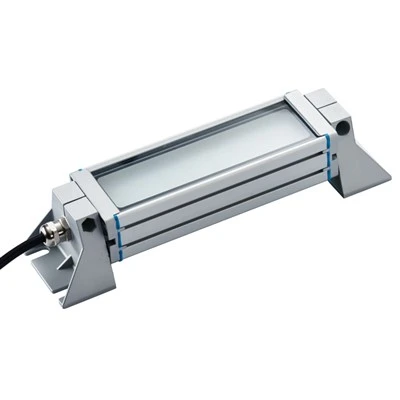
If you’re tired of fumbling in the dark, worried about arc flash risks, or dealing with compliance issues from poor visibility, let’s talk. I’ve worked with teams of all sizes, from small commercial buildings to large industrial plants, to find the right lighting solution for their cabinets. Whether you need lights for indoor control cabinets, outdoor utility stations, or harsh industrial environments, I can help you choose a product that meets your safety needs and your budget. Don’t wait for an incident to happen—take the step to make your electrical workspaces safer today. Reach out to discuss your requirements and find the perfect lighting for your cabinets.
LED Work Light References
National Fire Protection Association. (2021). Arc Flash Safety in Industrial Maintenance. NFPA 70E: Standard for Electrical Safety in the Workplace.
Electrical Safety Foundation International. (2021). Annual Arc Flash Incident Report. ESFI.
Occupational Safety and Health Administration. (2020). 29 CFR 1910.303: Electrical General Requirements. OSHA.
Underwriters Laboratories. (2022). UL 508 Standard for Industrial Control Equipment. UL.
Suzhou Pouge Lighting Electrical Appliance Co., Ltd.
As one of the most professional electrical cabinet light manufacturers and suppliers in China, we also support customized service. Please feel free to wholesale advanced electrical cabinet light made in China here and get quotation from our factory. For price consultation, contact us.
Address: Building 6-501, No.1330, Jinfeng South Road, Mudu Town, Wuzhong District, Suzhou City, China
E-mail: xduanlyy@126.com
WebSite: https://www.pouge-light.com/
