If you’ve ever walked through a sprawling manufacturing plant, a sprawling grocery distribution center, or a warehouse covering tens of thousands of square feet, you’ve probably noticed the quiet workhorses keeping floors safe, dry, and free of grime. For years, small cleaning crews relied on walk-behind scrubbers or manual mops to cover these spaces, but those methods often leave behind streaks, take hours to complete, and can’t match the pressure and coverage needed for heavy-duty, large-scale cleaning. As a rotary scrubber supplier, I get asked one question more than any other: Can a rotary scrubber actually handle large-scale cleaning? The short answer is a resounding yes—but the details matter, from how the machine is designed to how you operate it, and why it’s become a staple for facilities that can’t afford downtime or inconsistent results. Rotary Scrubber

Let’s start with what makes a rotary scrubber different from the smaller, consumer-grade floor cleaners you might see in a home. At its core, a rotary scrubber uses a circular, rotating brush pad (or sometimes multiple brush pads, depending on the model) to agitate and lift dirt, grease, and grime from hard surfaces like concrete, tile, or epoxy. Unlike floor buffers, which are built for polishing, rotary scrubbers combine that mechanical agitation with a built-in water and cleaning solution system, which suctions up dirty water immediately after it’s applied. That means you’re not just moving grime around—you’re removing it entirely, leaving floors dry and slip-resistant in minutes, not hours.
For large-scale operations, the most important specs to look at are coverage width and runtime. Entry-level models might have a 17-inch brush head, which is great for small offices, but a heavy-duty rotary scrubber for large facilities can have a 28- to 36-inch brush head, covering 50 to 60 percent more ground per pass. Let’s do a quick math check: a 20-inch walk-behind scrubber might cover 20,000 square feet in an hour, while a 32-inch ride-on rotary scrubber can hit 60,000 to 80,000 square feet in the same time. For a warehouse with 200,000 square feet of concrete floors, that cuts a full-day cleaning job down to three or four hours—time that’s critical to keep operations running without disrupting shifts or production schedules.
But here’s where many people get skeptical: can a machine that relies on rotating pads really work consistently over huge spaces? The answer lies in two key design features that have evolved over the last two decades to make rotary scrubbers suitable for large-scale use. First, the deck design of industrial rotary scrubbers is often adjustable, letting you switch between different pad types for different tasks. For heavy grease buildup on a manufacturing floor, you can use a stiff nylon brush pad that digs into embedded grime, while for a grocery store’s tile floors, a soft abrasive pad will polish while cleaning without scratching. Some large-scale models also come with multiple rotating heads—two, four, even six, depending on the machine—so you’re not just moving one circle of grime; you’re covering a wide swath with even pressure, no uneven scrubbing that leaves streaks or residue.
Second, the water and recovery system on industrial rotary scrubbers solves a common problem with large-area cleaning: water waste and drying time. Walk-behind scrubbers sometimes only have a 15-gallon solution tank, meaning you’re refilling every 30 minutes on a large floor. Industrial ride-on rotary scrubbers have solution tanks that hold 50 to 100 gallons, so you can clean 100,000 square feet before needing a top-off. The recovery tank is equally important: it’s designed to suck up 99 percent of dirty water immediately after it’s applied, so even if you’re cleaning a 100,000-square-foot distribution center, floors are dry enough for forklifts and foot traffic within 10 minutes. For warehouses that operate 24/7, that’s non-negotiable—you can’t have a whole shift waiting for floors to dry, or risk safety hazards from wet slips.
Of course, no machine is perfect, and rotary scrubbers do have limitations when it comes to large-scale cleaning. Many people assume they can replace pressure washers for heavy-duty industrial cleaning, but that’s not the case: while rotary scrubbers can lift light to moderate grime, built-up oil or thick concrete dust may need a pre-treatment with a degreaser, followed by the scrubber to remove residual residue. Also, rotary scrubbers work best on flat, hard surfaces—they’re not designed for uneven concrete with deep cracks, or for cleaning stairs or ramps, where you’d need a smaller, specialized scrubber. But for the vast majority of large facilities—warehouses, retail distribution centers, manufacturing plants, even airport concourses—those limitations are easy to work around.
I’ve seen this play out firsthand with clients over the years. A few years back, I worked with a national grocery chain that had 12 distribution centers across the country, each with 150,000 square feet of concrete floors covered in forklift tracks and food residue from pallets of produce. Before they switched to rotary scrubbers, their cleaning crews spent 12 hours a night mopping and using small walk-behind scrubbers, only to find that grease would build back up in 24 hours, and slip incidents were up 30 percent due to streaky, wet floors. After testing our 32-inch ride-on rotary scrubbers, they cut cleaning time per DC to 4 hours a night, reduced slip incidents by 75 percent, and extended the time between deep cleans by two weeks—saving them over $200,000 a year in labor and safety costs across all 12 locations.
Another example is a manufacturing plant in the automotive sector, where floors are constantly covered in motor oil and metal shavings. Their old system was power washing once a week, which required shutting down the entire plant for 8 hours, using thousands of gallons of water, and leaving floors slippery for days. They adopted our heavy-duty rotary scrubbers with stiff nylon brush heads and a built-in degreaser dispenser, and now they clean floors three times a week during lunch breaks, with zero shutdowns, 90 percent less water use, and floors that stay grease-free for 48 hours. The key here was matching the rotary scrubber’s features to the specific needs of the large space—not just buying the biggest machine, but choosing one with the right brush, tank capacity, and suction power for their grime type.
One common misconception about rotary scrubbers for large-scale cleaning is that they’re too expensive for small or mid-sized operations, but that’s changing as technology has made them more accessible. Entry-level ride-on rotary scrubbers now cost a fraction of what they did a decade ago, and many facilities find the ROI in less than a year: lower labor costs, faster cleaning times, fewer safety incidents, and less water and chemical use than traditional methods. For facilities with more than 50,000 square feet to clean, the rotary scrubber’s efficiency quickly outweighs the initial investment.
That said, there’s a right way and a wrong way to use a rotary scrubber for large-scale cleaning. First, always map your cleaning path before you start—for a large warehouse, that means working in long, parallel rows to avoid missing spots and minimize overlapping passes, which saves time and reduces excess water use. Second, adjust the brush pressure to match the surface: too much pressure can scratch epoxy floors or waste energy, while too little means you’re not lifting grime. Most industrial rotary scrubbers have adjustable pressure settings, so test on a small, hidden area first to find the sweet spot. Third, maintain your machine regularly: replace brush pads every 50 to 100 hours of use, clean the solution and recovery tanks after each use, and check the suction hose to make sure it’s not clogged—small maintenance steps that keep your scrubber performing at its best for large jobs.
I often get asked, “Why not just use a large floor buffer for cleaning?” The difference is in the water and suction system. Buffers only agitate the surface, so they leave behind a layer of dirty water and residue that can still be slippery, and they don’t remove embedded grime as effectively. Rotary scrubbers combine agitation with immediate water extraction, so you’re getting a deeper clean in one pass, with no secondary mopping needed. For large spaces, that means one less step, one less piece of equipment, and one less chance of human error—like a crew member missing a section or leaving a streaky floor.
Looking ahead, the future of rotary scrubbers for large-scale cleaning is only getting better. New models are adding GPS navigation, so they can map large facilities automatically and clean with minimal operator input, and battery technology has extended run times to 8 hours or more on a single charge, so you don’t have to stop mid-job to recharge. For facilities that run 24/7, autonomous rotary scrubbers are already being tested in distribution centers, where they can clean during off-hours without any staff on site. That’s a game-changer for large operations that want to keep floors spotless without any disruption to daily business.
At the end of the day, the answer to “Can a rotary scrubber be used for large-scale cleaning?” is clear: yes, it’s not only possible, it’s one of the most effective, cost-efficient ways to clean spaces that are too big for manual methods or small equipment. The key is choosing the right machine for your specific needs—coverage width, tank size, brush type, and suction power—and operating it with a plan tailored to your facility’s layout and grime. If you’re managing a large warehouse, manufacturing plant, retail distribution center, or any space with more than 50,000 square feet of hard floors, a rotary scrubber can cut cleaning time, reduce costs, and improve safety in ways you might not have thought possible.
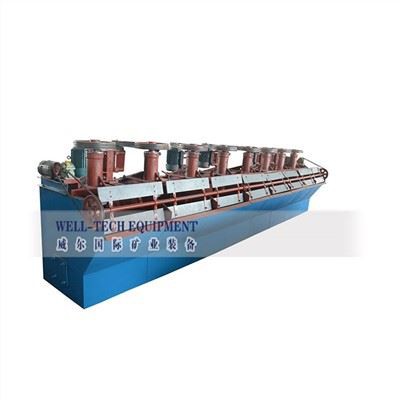
If you’re ready to see how a rotary scrubber can transform your large-scale cleaning operations, we’re here to help you find the right model, test it on your space, and answer all your questions. We don’t just sell machines—we work with facilities of all sizes to build a cleaning solution that fits your specific needs, whether you’re managing a 100,000-square-foot warehouse or a 500,000-square-foot manufacturing plant. Don’t let outdated cleaning methods slow you down or put your team at risk.
Mining Classifier Equipment References
- Occupational Safety and Health Administration. (2022). Slip, Trip, and Fall Prevention in General Industry. U.S. Department of Labor.
- International Sanitary Supply Association. (2021). Industrial Floor Cleaning Equipment: Performance and Efficiency Benchmarks. ISSA.
- Food Marketing Institute. (2020). Distribution Center Cleaning Best Practices for Grocery Operations. FMI.
- National Institute for Occupational Safety and Health. (2019). The Impact of Floor Cleaning Equipment on Workplace Safety and Productivity. NIOSH.
- Journal of Sustainable Cleaning. (2022). Water and Chemical Reduction in Industrial Floor Maintenance: Rotary Scrubber Case Studies.
Jiangxi Well-tech International Mining Equipment Co., Ltd.
Jiangxi Well-tech International Mining Equipment Co., Ltd. is one of the most professional rotary scrubber manufacturers and suppliers in China, featured by quality products and good service. Please rest assured to wholesale customized rotary scrubber at competitive price from our factory.
Address: Guzhang Industrial Park of Shicheng County, Ganzhou City, Jiangxi Province, China
E-mail: mily@benefication.com
WebSite: https://www.cn-welltech.com/
