If you’re in the injection molding game, you already know two-piece molds are the workhorses—cheap, reliable, and perfect for everything from toy parts to small industrial components. But here’s the thing: a lot of mold suppliers (yours included, let’s be real) have been sticking to the same two-piece design playbook for decades. We pump out core and cavity sets, bolt them to platens, call it a day, and ship ’em out. But lately, I’ve been chatting with more clients—from startup medical device teams to automotive part makers—who’re tired of those designs limiting their projects. That got me thinking: what’s the real innovation opportunity here for two-piece molds, especially for a supplier like us that works directly with folks who need solutions that don’t break the bank? Two Piece Mold
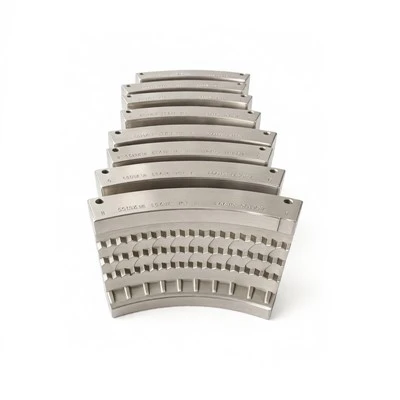
First, let’s get on the same page about what a two-piece mold is, just to ground this. It’s two main halves: the core (the part that forms the inside of your molded part) and the cavity (the outside), right? No slides, no lifters, no fancy internal moving parts—just two pieces that clamp together, inject plastic, and pop the part out. That simplicity is why they’re so popular, but it’s also their biggest flaw. Like, if you need a part with even a tiny undercut? A standard two-piece mold can’t handle that without either making the part thicker (which wastes material) or risking a broken mold later. But what if we could tweak that basic two-piece structure to solve those undercut issues without ditching the low-cost, fast-turnaround perks? That’s one area I’ve been tinkering with—localized, integrated undercut features that don’t add a ton to the mold price or lead time.
I’ll give you an example: last quarter, a client making small surgical tool handles hit a wall. They needed a lip on the inside of the handle, which is a classic undercut, but their old mold supplier quoted a four-piece mold with lifters that would’ve cost 30% more and added two weeks to their timeline. We didn’t have a magic solution, but we redesigned the two-piece mold’s core to have a flexible insert—super thin, spring-loaded, only in the area of the undercut. When we inject the plastic, the insert bends to let the plastic fill the lip, and then pops back into shape so the part can eject without catching. The cost? Only a 12% bump over a standard two-piece mold, and the lead time was almost the same. That’s innovation right there—taking the core simplicity of two-piece molds and adding targeted, low-complexity features that fix their biggest limitation, no need for overcomplicated moving parts. I think that’s the sweet spot for our niche: we’re not competing with high-end, multi-action molds, we’re making two-piece molds work for applications that previously couldn’t use them.
Next up, material science paired with mold design. A lot of two-piece mold suppliers treat the mold and the plastic it’s making as separate things. But here’s a secret: the mold’s design directly impacts how the plastic flows, cools, and sticks to the part. For years, we’ve used standard steel for two-piece molds—P21, H13, whatever’s off the shelf. But new tool steels and surface treatments? We can tweak the two-piece mold’s design to leverage those without overcomplicating it. Let’s talk cooling, for instance. In a standard two-piece mold, cooling lines are straight holes drilled into the core and cavity. But for complex parts, uneven cooling causes warping, which means parts need more finishing, which adds cost. What if we add conformal cooling lines that follow the shape of the part, but in a way that fits within the two-piece structure? No extra pieces, no extra moving parts—just redesigned cooling channels that are still machined into the two main halves. We tested this with a client making automotive interior trim parts last month. The old straight-line cooling meant parts had a 0.8mm warpage, which required sanding before assembly. The new two-piece mold with conformal cooling cut warpage to 0.2mm, so they skipped the sanding step entirely. That’s a win for them—less labor, less material waste—and for us, it’s a design tweak that’s easy to implement because it’s still just two pieces.
Wait, another angle: digital tools. A lot of small mold suppliers like us used to work with blueprints and manual adjustments when a mold had a small flaw. Now we’ve got 3D modeling software, simulation tools—things we can use to optimize two-piece mold designs way before we even cut metal. But here’s what most people miss: those tools aren’t just for big, complex molds. We can use mold flow simulation to adjust the two-piece’s parting line, the gate location, even the draft angle, to fix issues that used to require a mold remake. For example, a client making a plastic spool for garden hoses noticed their parts were sticking to the cavity half during ejection, so they had to pull the part out manually, which slowed their production line. We ran a simulation on their two-piece mold and realized the draft angle on the flange was too tight—only 0.5 degrees, when it should’ve been 1 degree. We tweaked the design in the CAD file before machining the mold, and the sticking stopped. No remakes, no delays. That’s innovation too—using digital tools to make a classic two-piece mold way more reliable, without adding any complexity.
But let’s be real, the biggest opportunity for two-piece mold innovation right now is sustainability. Every manufacturer is under pressure to cut plastic waste, right? Two-piece molds are already efficient because they have fewer parts, which means less material to machine, but we can go further. Think about it: when a molded part has excess plastic (like flash, or warpage that leads to scrap), that’s wasted. What if we design two-piece molds to minimize that scrap, or even make it easy to reuse scrap material on the same run? Wait, no—more targeted: a lot of small parts made with two-piece molds are overdesigned, using thicker plastic than necessary just because the mold can’t make a thinner, more precise part. If we redesign the two-piece mold’s core and cavity to have tighter tolerances (still without the complexity of multi-piece molds), we can cut plastic usage by 10-15% on average. We recently worked with a toy company that was making plastic action figure bases with a standard two-piece mold; the parts had a 2mm thickness to avoid warping. We redesigned the mold’s cooling lines and parting line to adjust the plastic flow, and now they make the base with 1.6mm thickness—no warpage, and 20% less plastic per part. That’s a big deal for them, both cost-wise and for their ESG goals.
Wait, but I don’t want to sound like we’re here to replace all other molds. No, two-piece molds are still best for low to medium volume runs—like 1,000 to 50,000 parts, right? High-volume runs might need a multi-cavity mold, but that’s a whole other thing. The innovation here is making two-piece molds competitive for runs that used to be too small or too specialized. Like, what if we make two-piece molds that are modular? So a client can switch out the core or cavity insert without buying a whole new mold. That’s perfect for startups or small businesses that make different parts every few thousand runs. We tested a modular two-piece mold last year for a client who makes custom phone cases; they used the same base mold, just swapped the cavity insert for different brands, and cut their mold costs in half. That’s a huge opportunity for our supply model—we can build a base mold once, then offer cheap insert swaps, which means recurring business for us and lower costs for them.
Now, let’s talk about the gaps I see, because not all opportunities are tech-related. A lot of mold suppliers, including some big ones, don’t listen to their clients when it comes to two-piece molds. They just spit out a standard design and say “that’s what you need.” But the best innovations here are the ones that solve specific, small problems that clients have. Like, a client might need a part that has a small logo on the inside—something that would normally require a label, but labels peel. We can design the two-piece mold’s core to have a micro-texture that forms the logo directly on the part, no label needed. That’s not a fancy new technology, that’s just paying attention to what the client actually needs, instead of pushing the same old mold design.
I should also mention a common mistake people make when talking about two-piece mold innovation: they think it has to be entirely new molds. But incremental changes are where the money is, especially for a supplier like us. Let’s say a client has an existing two-piece mold that’s giving them issues—warping, sticking, short shots. Instead of telling them to buy a new mold, we can tweak the design: change the gate location, add a cooling line, adjust the draft angle, even modify the parting line. We did that for a client making food storage containers last year; their old mold had short shots on the rim because the plastic cooled too fast. We modified the cavity half to have a slight chamfer, and that fixed the short shots—no new mold, just a $500 design tweak. That’s innovation that’s tangible for both the client and us.
Of course, there are challenges. Two-piece molds have inherent limits—you can’t do really complex undercuts without adding parts, no matter how much you tweak them. But that’s not a bad thing; it’s a line we don’t cross, because that’s not what our clients come to us for. We’re the go-to for simple, cost-effective solutions, so our innovation should stay within that wheelhouse. We don’t need to make a two-piece mold that acts like a five-piece mold; we just need to make the two-piece mold work harder for the applications it’s already good at.
Looking ahead, I see even more opportunities. For example, integrating 3D-printed inserts into two-piece molds. Wait, not the whole mold—just small inserts for things like logo textures or undercuts, made with metal 3D printing. 3D printed inserts are cheaper than machined steel for small, complex features, so we can add them to a two-piece mold without blowing the budget. We tested that last month for a client making keychains with a custom 3D logo; the insert was 3D printed, and the mold cost was 20% less than a fully machined mold with the same logo detail. That’s a big win for small-batch custom projects, which are growing a lot lately.
Another thing: circular design. More clients are asking for molds that can be reused or recycled, instead of being thrown away when a part design changes. Two-piece molds are perfect for that because they’re made of just two main steel pieces—easy to refurbish, re-machine, or even repurpose into a base for a new mold. We’ve started offering mold refurbishment services for our old two-piece molds, where we machine out worn areas, replace small parts, and extend the mold’s life by another 50,000+ parts. That’s not just good for sustainability—it’s a new revenue stream for our business, too.
At the end of the day, all this boils down to: two-piece molds aren’t just a “basic” mold type. They’re a foundation, and there’s a ton of room to make them better. We’ve had clients come to us in the past who thought two-piece molds couldn’t do what they needed, but after a design tweak or a material swap, they’re now some of our repeat customers. That’s the opportunity—meeting clients where they are, using the simplicity of two-piece molds to solve their specific problems, instead of pushing overcomplicated, expensive solutions.

If you’re a manufacturer who’s been stuck with two-piece molds that aren’t working for your project, or if you’re ready to try a new design that cuts your costs and lead times, reach out. We can walk through your project, tweak an existing mold design, or build a new one that fits exactly what you need—no fluff, no overpromising, just a solution that works.
Special Structure Mold References
- International Organization for Standardization. (2022). Plastics—Injection molding of materials for medical devices. ISO 13485:2016.
- Tooling & Manufacturing Association. (2023). Modular mold design best practices for low-volume production. TMA Technical Bulletin.
- Society of Plastics Engineers. (2022). Sustainable injection molding: Reducing material waste in two-piece molds. SPE Journal of Injection Molding Technology.
Anhui Varon Mould Co., Ltd.
We are one of the most professional two piece mold manufacturers and suppliers in China, also support customized service. We warmly welcome you to wholesale premium two piece mold made in China here from our factory. If you have any enquiry about cooperation, please feel free to email us.
Address: Anhui Province, Ningguo City, Economic and Technological Development Zone, Heli Industrial Park, Dongcheng Avenue
E-mail: admin@varonmould.com.cn
WebSite: https://www.wanlongmold.com/
