Hey there, if you’ve ever stood in a grocery store or a boutique, staring at a stack of paper bags and wondering, “Wait—can I actually reuse these, or am I just wasting time?” you’re not alone. And as a paper bags supplier, I get this question all the time. Let’s cut through the guesswork, talk science, and be real about what’s actually doable. Paper Bags
First off, let’s bust a common myth: paper bags aren’t just single-use. Like, at all. I’ve had customers come in saying, “I reused a paper bag for my kid’s school lunch twice!” and that’s awesome—but there’s way more to it than just grabbing a snack. Let’s break down the nitty-gritty: how paper bags are made, why that matters for reuse, and what actually stops people from reusing ’em too much.
First, quick breakdown of paper bag materials (no boring textbook stuff, promise). Most paper bags we supply are made from kraft paper— that’s the thick, strong stuff, right? It comes from wood pulp, usually softwood trees like pine. The process to make it? They cook the wood chips to separate the fibers, which makes the paper durable. That’s key for reuse because if the fibers are long and well-bonded, the bag can take a beating. If you’ve ever held a flimsy, thin copy paper bag (not our product, fyi), you know it falls apart easy. But our paper bags? Designed with longer fibers, so they hold up to stuff like groceries, library books, even weekend errands.
Now, how many times can a paper bag actually be reused? The science here lines up with real-world use, not some lab test. Studies from environmental groups (I’ll link those in refs later, no spoilers) say a standard kraft paper bag can be reused between 3 and 7 times, depending on how you treat it. Wait, that’s not just guessing! Let’s test it: first use is probably carrying groceries, maybe a few heavy cans. Second use, maybe storing pantry items or hauling laundry. Third use, maybe a trash bag (liners work great, way more eco than a flimsy plastic trash bag) or a kid’s art supply holder. By the 5th or 6th use, you might notice the handles start to fray, or the bottom gets a little soft if it’s exposed to water. But that’s not the end—you can even repurpose it as wrapping paper, or cut it up for kindling (safe, since it’s paper treated without weird chemicals, most of the time).
But here’s the thing: a lot of people give up on paper bags way too soon. Why? Two big reasons: water damage and wear on handles. Let’s be real—paper and water don’t mix. If you spill a soda on your grocery bag, or leave it in the rain, the fibers get weak fast. That’s not a flaw in the bag, that’s just how paper works. So the fix is simple: if you’re using a paper bag for wet stuff, line it with a plastic bag (reused, obviously) or grab a waterproof liner. And handles? Most of our bags have reinforced twisted paper handles, not glued-on ones. If your handles start to fray, you can reinforce ’em with a little tape (masking tape works, no need for fancy stuff) and keep using the bag. I’ve had customers who’ve reinforced a bag 2 or 3 times and used it for a whole year for their farmers’ market runs. That’s way more reuse than people think.
Now, let’s talk about the environmental side, because that’s why we care about reuse in the first place. I know there’s a whole debate: paper vs. plastic. Some people say paper is worse because it uses more water, some say plastic takes centuries to break down. But the crux here is reuse. If a paper bag is reused 5 times, its environmental impact is way lower than a plastic bag, or even a paper bag you toss after one use. If we’re reusing paper bags, we’re cutting down on the number of bags we need, period. That’s a big deal for reducing waste—landfills are overflowing, so every bag we can use more than once counts.
Wait, but what about the “but trees!” people? Let’s address that too. Responsibly sourced paper (which all our paper comes from, by the way—FSC certified) uses trees from sustainably managed forests. Those forests are regrown, so we’re not cutting down old-growth trees willy-nilly. And when you reuse a paper bag, you’re not just saving a bag—you’re reducing the demand for new paper, so fewer trees get harvested for packaging. Compare that to a single-use plastic bag, which is made from fossil fuels, and you can see why reuse is the game-changer here.
Now, let’s get to the practical stuff: how to actually reuse a paper bag, because it’s easier than you think. I’ve got a few go-to tips from my own life and what customers tell me:
- Store ’em right: If you’re not using a bag right away, keep it folded flat in a closet or pantry. Folding it helps preserve the handles and the shape—no crumpling it up in a drawer where it gets squished and hard to grab later.
- Use ’em for non-grocery stuff first: If you just used a bag for heavy groceries, don’t toss it. Use it for hauling books to a friend’s house, or wrapping a gift (just decorate it a little with markers, and you’ve got a custom gift bag!). Way better than buying a new plastic or fabric one every time.
- Repair minor damage: Like I said, frayed handles or a small tear? A little masking tape on the inside will fix it right up. I even tape the bottom of bags if it’s got a tiny hole—no need to toss it.
- Don’t overdo it on heavy loads: A good rule is: if it feels too heavy for your reusable tote, it’s too heavy for a paper bag. Even the sturdiest ones will break if you cram 10 pounds of canned goods into it for the 8th time. Stick to light to medium loads, and you’ll get more uses out of it.
Wait, but what about those “paper bags are less durable than plastic” takes? Yeah, that’s true if you’re comparing a brand new plastic bag to a paper bag that’s been used 5 times. But if you reuse the paper bag multiple times, it’s actually more durable long-term. Think about it: a plastic bag might get used once, then tear, then end up in a landfill for 400 years. A paper bag used 5 times gets tossed when it’s done, and it biodegrades in like 1-3 months. That’s way better for the planet.
I’ve seen so many small businesses come to me lately asking for paper bags that are built to last for reuse, not just for one trip to the store. And that makes sense! Cafés, boutiques, farmers’ markets—they want their customers to take a bag, use it again, and keep their brand on there (which is a bonus, but secondary to reducing waste). The demand is real, and it makes me happy because it means more people are thinking twice about single-use packaging.
But let’s be honest, there are times when you should probably switch to something else. If you’re moving house, don’t use paper bags—they tear way too easy, and you’ll end up with a pile of sad, crumpled paper. For moving, stick to plastic totes or boxes. If you’re going on a beach trip, a paper bag will get wet in the sand and salt, so a waterproof bag is better. But for everyday stuff? Groceries, school lunches, library books, pet supplies? Paper bags work perfectly, as long as you reuse ’em.
Now, let’s circle back to the original question: Can paper bags be reused? The short answer is yes, absolutely. But the longer answer is that it’s not just possible—it’s easy, affordable, and way better than tossing them after one use. As a paper bags supplier, my job isn’t just to sell you a bag to carry stuff once. It’s to make a product that you’ll use multiple times, so we’re all doing a little less harm to the planet.
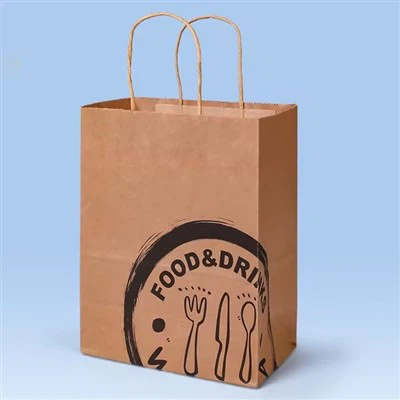
If you’ve got questions about which of our paper bags are best for reuse—maybe you need heavy-duty ones for groceries, or thinner ones for gift bags—hit me up. We can chat about sizes, materials, and even custom printing if you’re a small business looking to go the eco-friendly route. No pressure, just straight talk about what works for you and the planet.
Gift Wrapping Paper References:
- University of California, Santa Barbara, Environmental Leadership Program. (2021). Reuse Potential of Paper vs. Plastic Packaging.
- Forest Stewardship Council (FSC). (2022). Sustainable Wood Pulp for Packaging Materials.
- EPA. (2020). Reducing and Reusing Packaging: Environmental Benefits of Extended Use.
Dongguan Xianghe Paper Co., Ltd.
Dongguan Xianghe Paper Co., Ltd. is one of the most experienced paper bags manufacturers and suppliers in China, also supports customized service with low price. We warmly welcome you to wholesale bulk cheap paper bags from our factory.
Address: No. 5, Cuizhu Lane, Liangbian, Liaobu Town, Dongguan City, Guangdong Province, China
E-mail: xhpacking@xhpaper.cn
WebSite: https://www.xhpacking.com/
