Hey folks, let’s cut to the chase – if you’re in the market for an explosion proof gas station (or already running one, trying to make sure you’re not cutting corners), this post is for you. I’m one of the go-to suppliers for these stations, and every single day I get calls from owners, managers, and even other suppliers asking the same thing: what the hell are the actual rules here? Not the vague “don’t mess with flammable stuff” line, but the real, enforceable regulations that keep people from getting hurt and your station from getting shut down. No stuffy jargon, just straight talk on what you need to know. Explosion Proof Gas Station
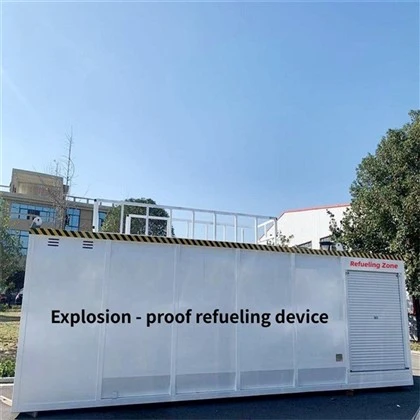
First, let’s get one thing outta the way: explosion proof here isn’t some fancy marketing buzzword. It’s a specific, code-compliant label for equipment that can handle gasoline vapors without igniting ’em, no matter what. The regulations aren’t random – they’re built on decades of real accidents, from small leaks that blew up pumps to full station fires that coulda been prevented. Now, if you’re a station owner, a construction crew building a new spot, or someone like me supplying the gear, here’s the breakdown of the key rules that matter most.
Let’s start with the main governing bodies, because that’s where all the regs come from. First up, the NFPA – National Fire Protection Association, ya might’ve heard of ’em. Their NFPA 30A standard is THE bible for motor fuel dispensing facilities. That’s the one that spells out everything from pump design to tank placement. Then there’s OSHA, the Occupational Safety and Health Administration, which makes sure workers on site aren’t getting exposed to harmful fumes or unsafe conditions. And don’t forget the EPA – Environmental Protection Agency, because leaks aren’t just fire hazards, they’re pollution too, so they have rules on underground storage tanks (USTs) that tie right into explosion proof stuff. If you’re not up on all three, you’re gonna run into problems. I’ve seen stations that nailed the pump specs but messed up UST venting, and that’s a $10k fine easy.
Now, let’s dive into the real nitty gritty, starting with the equipment that has to be explosion proof. If you’re a gas station, your big ticket items are the fuel dispensers, right? Well, every single component inside that dispenser has to meet NFPA 70, the National Electrical Code (NEC) – that’s another big one people sleep on. NEC divides areas around fuel stations into different “classes” based on how much flammable vapor is present. Class I, Division 1 is the big one for places where vapors could be there 24/7, like inside dispenser enclosures or near tank vents. Division 2 is a little less severe, but still, no regular consumer-grade electrical gear there.
Wait, let me explain that division thing without the boring stuff. Division 1 means explosive mixtures are normally present, so gear has to be totally sealed – no little gaps where vapors can get in and spark. Division 2 is where vapors might show up occasionally, so gear still has to be spark-proof, just a little less strict. For dispensers, you’re almost always dealing with Class I, Division 1, so you can’t use a regular light switch or a cheap control panel. That’s where my gear comes in – all our dispenser controls, wiring, and even the little fans in the pump housings are certified to that Class I, Division 1 spec. I’ve had competitors try to sell owners regular industrial gear that doesn’t carry that cert, and those stations get flagged on inspections faster than you can say “gas smell.”
Next up, underground storage tanks (USTs) – these are make or break for explosion safety. The EPA requires that all USTs have proper venting, because if a vent is clogged, vapors build up and can seep into the dispenser area. NFPA 30A says that tank tops can’t be within 10 feet of a dispenser, and the piping from the tank to the dispenser has to be rigid, not flexible (flex piping can crack, leading to leaks and vapor buildup). Also, any electrical components near the UST risers have to be explosion proof too – that includes the sensors that monitor tank levels. I’ve had stations where a faulty tank sensor sparked, and luckily it was caught before anything exploded, but that’s exactly the scenario these regs are stopping.
Then there’s the dispensing area itself – the part where the pumps are and where cars pull up. NFPA 30A sets minimum clearances, too. The distance between a pump and any building wall has to be at least 5 feet, right? No sticking a pump right next to a convenience store entrance. Also, if you have a canopy over the pumps, the canopy supports can’t be made of flammable material – they have to be steel or concrete, because if something does ignite, you don’t want the canopy collapsing on people. Another thing: all hand tools used by workers around pumps have to be non-sparking. No regular wrenches – they can spark if they hit metal, and a tiny spark near gasoline vapors is all it takes. We sell non-sparking tool kits as part of our supplier packages, ’cause owners often forget that part of the regs.
What about convenience stores attached to gas stations? That’s where a lot of people mess up. The line between the store and the dispensing area isn’t just a random wall – NFPA 30A says that any door, window, or ventilation opening from the store has to be at least 10 feet from a pump. If it’s closer, you have to put a vapor barrier between the store and the pump area, so vapors can’t seep into the store. I saw a small station in Ohio a couple years ago that had a candy aisle door 3 feet from a pump – OSHA fined ’em $15k because vapors were getting into the store, and workers were breathing them all day. That’s a costly mistake, and it’s totally avoidable if you follow the regs.
Now, inspections – who does ’em, and what’re they looking for? Most local fire marshal offices do annual inspections, plus EPA might come check USTs every 3 years. But here’s the thing: regulations aren’t just for pass/fail. When a fire marshal shows up, they’re checking if your electrical gear is still certified – because over time, wiring can fray, seals on dispensers can crack, and that explosion proof protection goes away. I had a client in Texas last year whose dispenser had a cracked seal – the fire marshal made ’em replace the whole control unit, which cost way more than if they’d caught it during a quick monthly check. That’s why we offer regular maintenance checks as part of our supplier service, not just selling gear and dipping.
Wait, let’s talk about exemptions, just to be clear – some small stations, like ones with only one pump, might have different rules? No, not really. Even a single pump has to meet Class I, Division 1 electrical specs. The only exemptions are super niche, like temporary fuel stations for construction sites, and even those have to follow temporary NFPA guidelines. Don’t think you can cut corners ’cause you’re a “mom and pop” station – the regs apply to everyone, and they’re strictly enforced.
Also, international stuff? If you’re outside the US, the rules change a bit – in Europe it’s ATEX certification, in Canada it’s CSA, but most of the core principles are the same: no unapproved electrical gear near vapors, proper tank venting, clearances. That’s why our gear is certified for both US and international markets, so we can supply stations wherever.
Now, common mistakes I see suppliers and owners make all the time. First, using “listed” vs “labeled” gear on the certification. A lot of cheap gear says “listed” but not “labeled” for Class I, Division 1. Labeled means it’s been tested and approved for that exact use – listed just means it meets a general spec. That’s a huge difference, and inspectors will call you out on it. Second, not grounding equipment. Every pump has to be properly grounded to a metal rod in the ground, so static electricity (from gas flowing through the hose) doesn’t build up and spark. I’ve seen a static spark ignite vapors at a station in Florida – they had a broken ground rod, and the inspector noticed it during a routine check. That could’ve been a disaster. Third, skipping vapor recovery systems. The EPA requires Stage 1 and Stage 2 vapor recovery for most stations – Stage 1 is at the tank fill, Stage 2 is at the dispenser, so vapors don’t escape into the air. Not only is that a pollution fine, but it also reduces the amount of flammable vapors around the pumps, which is a fire hazard. We include vapor recovery components in our explosion proof packages, ’cause they’re non-negotiable.
If you’re a new station owner, here’s a quick checklist to make sure you’re on the right track: 1) All electrical components in pump areas are NFPA 70 Class I, Division 1 labeled. 2) USTs have proper venting and sensors, and piping is rigid. 3) Clearances between pumps and store openings, walls, and property lines meet NFPA 30A. 4) Non-sparking tools and proper grounding are in place. 5) Vapor recovery systems are installed and working.
If you’re already running a station, do a quick walkaround right now – check if your pump seals are intact, test your ground rod (most stations have a meter you can pick up at a hardware store), make sure any work done on pumps was done with explosion proof parts. I had a client in Arizona who tried to replace a bad light in his pump area with a regular bulb – the fire marshal caught it and shut him down for 2 weeks. That lost him $10k in sales, just because he tried to save $20 on a light. That’s why we stress to every client that cutting corners on gear is never worth it – the regulations are there for a reason, and violating ’em costs way more than doing it right the first time.
Now, let’s talk about why this matters to my business, and why I’m writing this. I don’t just sell explosion proof gear – I’ve seen the aftermath of bad regs. I’ve visited stations that burned down because a spark from unapproved electrical gear ignited vapors, hurting workers and costing owners everything. So when I supply a station, I don’t just drop off equipment and leave. I work with construction crews to make sure the wiring is done right, help with inspection prep, and even do follow-up checks to make sure everything stays compliant. A lot of suppliers just see this as a product sale, but I see it as keeping people safe and helping stations stay in business.
If you’re looking to build a new explosion proof gas station, upgrade an existing one, or just want to make sure your current station is up to code, let’s talk. I can walk you through the regs specific to your area, answer any questions you have, and even provide the certified gear and maintenance support you need. Don’t wait for a fire marshal to come knock on your door – being proactive is way cheaper than fixing a violation or, worse, dealing with an accident.
Wait, one last thing: I know the rules can feel overwhelming, especially if you’re new to the game. That’s why I make it my job to break ’em down in plain English, not some thick manual you can’t understand. The regulations aren’t meant to make life hard – they’re meant to make sure you and your customers go home safe. Every time I finish a job and get a text from a client saying their inspection went smooth, that’s why I do this.

So if you’re ready to get serious about compliance, or just have questions about which gear you actually need, reach out. No pressure, no sales pitch that’s full of fluff, just straight answers and quality explosion proof equipment that’s actually certified to the rules.
Explosion Proof Gas Station References
NFPA 30A: Motor Fuel Dispensing Facilities and Repair Garages, National Fire Protection Association
NFPA 70: National Electrical Code, National Fire Protection Association
EPA Underground Storage Tank Regulations, U.S. Environmental Protection Agency
OSHA 29 CFR 1910: Occupational Safety and Health Standards for General Industry, Occupational Safety and Health Administration
Shandong Jingcai Industry and Trade Co., Ltd.
As one of the most professional explosion proof gas station manufacturers and suppliers in China, we also support customized service. With abundant experience, we warmly welcome you to wholesale high quality explosion proof gas station in stock here from our factory. Contact us for free sample.
Address: Caojiazhuang Village Industrial Park, Lingcheng Town, Qufu City, Jining City, Shandong Province.
E-mail: shandongjingcai888@gmail.com
WebSite: https://www.sdjingcaicn.com/
