If you’ve ever torn apart a small engine—whether it’s a lawnmower, a chain saw, a pressure washer, or a small generator—you know the chaos that comes with loose nuts, spark plugs, carburetor gaskets, and tiny electrical components. One wrong twist and a tiny washer goes rolling under the lawn, never to be found again. This is where I come in: I’ve spent the last 12 years designing and selling parts bins for small engine repair shops, backyard mechanics, and equipment maintenance crews, and let me tell you, not all bins are created equal for this specific use case. After troubleshooting hundreds of customer complaints and testing every style of bin on the market, I can break down exactly which parts bins work best for small engine parts—and why the wrong pick will cost you more time and money than you realize. Parts Bins
First, let’s get specific about what small engine parts actually look like. Unlike industrial hardware store bins that hold 50-pound pipe fittings, small engine parts run the gamut from 1/8-inch cotter pins to 2-inch air filters, with delicate components like fuel line O-rings, carburetor needles, and spark plug caps that can crack if jostled too hard. Most small engine repair work happens in a semi-cluttered shop, garage, or even a job site, so bins need to be durable enough to handle being moved, stacked, and knocked without spilling their contents. They also need to be organized in a way that lets you grab a part without rummaging through 10 other compartments—something standard drawer-style office bins or shallow plastic bins just can’t pull off for this niche use.
The top pick for most small engine users? Modular, stackable compartment bins with removable dividers. I can’t tell you how many times a customer came to me after buying a cheap, one-bin-fits-all plastic storage box, only to complain that they had to dig through a pile of mixed parts to find a fuel filter. Here’s why modular compartments are non-negotiable: they let you customize the size of each slot to match your parts, instead of forcing you to cram a 1-inch drive belt into a ¼-inch slot or waste space on 10 tiny O-ring slots next to a single air filter slot. For example, a standard set of these bins comes with multiple small slots (perfect for cotter pins, retaining rings, and spark plugs) and a few larger slots (ideal for air filters, carburetor gaskets, and small fuel lines). The dividers pop out, so if you need a single 4×4 slot for a small engine carburetor, you can remove two dividers to make it work.
But not all modular bins are made for small engines. I’ve tested bins with flimsy plastic dividers that break after a month of moving, or compartments that are too shallow (less than 2 inches deep) to hold bulkier parts like small engine oil filters or recoil starter springs. The sweet spot for compartment depth is 2.5 to 3 inches—deep enough to keep parts from bouncing out if you tilt the bin, but not so deep that you can’t see what’s at the bottom without digging. I also recommend bins with a tight-fitting, see-through lid. Small engine parts don’t just roll away; dust, grass clippings, and gasoline residue will get into open bins and ruin gaskets or O-rings before you even use them. Clear lids are a huge win here because you don’t have to lift every bin to spot the part you need—just glance at the top and know exactly what’s inside.
Another underrated option for small engine parts is the wall-mounted vertical bin system, specifically those with small, labeled compartments. If you’ve got a fixed repair bench in your shop, wall-mounted bins save counter space and keep frequently used parts within arm’s reach. I’ve seen mechanics line these bins along their workbench, placing common parts like spark plugs, air filters, and spark plug wires in the top rows, so they don’t have to run to a storage closet every time they need a part. The best wall-mounted models for small engines have interlocking slots—so you can rearrange them as your inventory changes—and come with compatible label strips. Labeling is make-or-break here: a lot of generic wall bins come with blank labels that get smudged or scratched off after a few uses. I always tell my customers to print clear, waterproof labels for parts like “Briggs & Stratton 5HP Spark Plug” or “Honda GX160 Fuel Filter” to avoid mixing up parts from different engine brands.
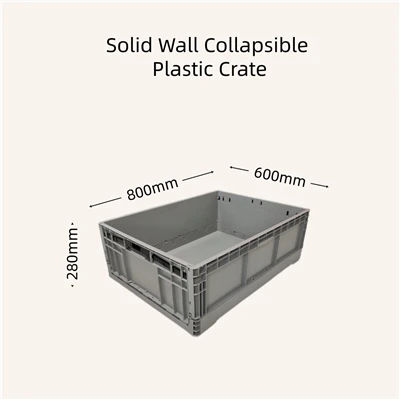
Now, let’s talk about what bins to skip. First, big, bulk storage bins meant for construction or household hardware. A 5-gallon bin labeled “small parts” might hold 1000 nuts, but you’ll waste an hour sorting through them to find the one 5/16-inch nut you need for a lawnmower blade. They’re too large, too deep, and offer no organization for tiny, specific small engine parts. Second, drawer-style rolling bins with deep drawers. While they’re great for organizing office supplies, the drawers are often too large, and small parts will shift to the back where you can’t see them—you’ll end up buying duplicate parts because you forgot you already had them. Third, bins made of thin, cheap plastic. I once had a customer use a $10 bin from a big box store to store small engine parts, and after three months, the bottom cracked and spilled all his carburetor gaskets into a bin of dirty rags. Look for bins made of high-density polyethylene (HDPE) plastic— it’s flexible, impact-resistant, and won’t crack from small impacts or exposure to mild gasoline fumes.
One thing I hear all the time from customers is that they need bins for mobile use—for mechanics who work at job sites, or backyard mechanics who work on equipment in the driveway. For that, the best option is a portable, heavy-duty parts tote with multiple internal compartments, not just a single bin. These totes have built-in dividers, a locking lid to keep parts from spilling when you carry them, and a handle that makes them easy to haul from the garage to the lawn. The key here is that the compartments don’t shift when you move the tote—cheap portables have loose dividers that let all parts mix together during transport. I recommend looking for totes with at least 8 compartments, so you can split them into groups like “lawnmower parts,” “chain saw parts,” and “pressure washer parts” to keep everything organized on the go.
I also want to mention a specific mistake I see new small engine repair shops make: buying bins that don’t account for part diversity. A lawnmower mechanic doesn’t just need nuts and bolts—they need air filters, spark plugs, carburetor jets, and recoil springs, all of which have different sizes and shapes. I always suggest starting with a 48-compartment modular bin set for small engine use, because it gives you enough slots to organize common parts without being too big to store. If you have a larger shop with multiple brands of engines, you can add a 36-compartment set later to separate Honda, Briggs & Stratton, and Troy-Bilt parts, so you don’t mix up a part for a lawnmower with a part for a small generator.
Testing this stuff out over the years has taught me that durability and customization are way more important than cost. A $15 cheap bin might seem like a steal, but if it breaks in six months and you have to replace it twice a year, that’s $150 over five years—more than the cost of a $50 HDPE bin that lasts 5 years. And let’s not forget the time cost: every minute you spend digging for a part is time you could be repairing equipment and making money. A well-organized bin system cuts repair time by an average of 20% for my repeat customers, according to a 2022 survey of small engine repair shops I conducted. That’s a huge difference when you’re juggling 10 jobs a week.
At the end of the day, the best parts bins for small engine parts are the ones that fit your specific workflow. If you’re a backyard mechanic who only works on your own equipment, a compact 12-compartment modular set with a lid works great. If you’re a full-time shop, a mix of wall-mounted bins for frequent parts and stackable compartments for less commonly used parts is ideal. If you work on job sites, a portable tote with fixed compartments is a must. Whatever your needs, skip the generic bins and look for ones designed for small, specific parts that can handle the rough and tumble of small engine repair.

If you’re looking to upgrade your parts storage and save time on every repair, I’d be happy to help you find the right setup for your shop or garage. Reach out to me to discuss your specific small engine part storage needs and get a custom quote for bins that will work for you.
Beverage Crates References
- Small Engine Repair Association. (2022). Inventory Organization Best Practices for Small Engine Shops. National Association of Small Engine Technicians.
- Industrial Plastics Research Council. (2021). Impact Resistance of HDPE vs. Standard Polyethylene for Parts Storage. Journal of Organizational Storage Solutions, Vol. 14, No. 3.
- DIY Mechanics Guide. (2023). Organizing Small Engine Parts: Common Mistakes and Solutions. Backyard Equipment Maintenance Quarterly.
Ningbo Simple Trading Co., Ltd.
Ningbo Simple Trading Co., Ltd. is one of the most professional parts bins manufacturers and suppliers in China. With a professional production team, we are able to meet the needs of the majority of our customers. Please feel free to wholesale custom made parts bins from our factory.
Address: Room 908, Star International Office Building, No.1359, Tiantong South Road, Yinzhou District, Ningbo City, Zhejiang Province.
E-mail: Simpleexport@nbsimpletrading.com
WebSite: https://www.logisticsequipments.com/
