If you’ve ever wondered how that big, shiny steam boiler in an industrial warehouse, hospital, or even a school actually works, you’re not alone. As a steam boiler supplier, I get dozens of questions a week from guys who need to replace an old unit, build a new facility, or just want to understand why their current one keeps acting up. Most of the time, people see a boiler as a “set it and forget it” box that makes steam, but there’s way more to it than that. Let me break this down like I would to a customer who’s just stopped by our shop to pick up parts—no fancy engineering jargon, just straight-up how it works. Steam Boiler
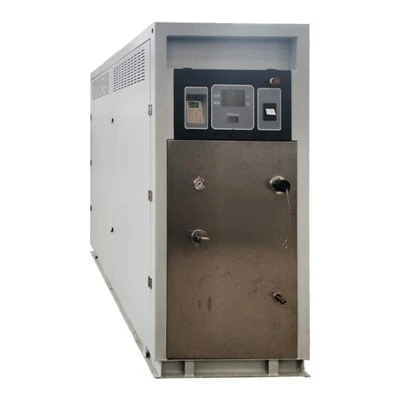
First off, let’s start with the basics: what even is a steam boiler? It’s a closed pressure vessel, right? That just means it holds water or steam under more pressure than the air around it. The whole point? Heat water until it turns to steam, then send that steam wherever it needs to go—think heating radiators, powering factory equipment, or even generating electricity in a power plant. For most commercial or industrial boilers (the ones we supply), we’re talking about units that produce low-pressure steam (less than 15 PSI, for context) or medium-pressure, depending on what the customer needs.
Let’s walk through the process step by step. First, you need water. You can’t make steam without water, duh. But it’s not just tap water—we always recommend treated water for a reason. Tap water has minerals like calcium and magnesium, and if you heat that up in a boiler, those minerals will stick to the inside of the heat tubes. That’s called scale, and it’s the #1 reason boilers break down early. Scale acts like an insulator, so your boiler has to work way harder to heat the water, which wastes fuel and can even cause overheating. So before water ever gets into the boiler, it goes through a water treatment system we help our customers set up—we’re not just here to sell boilers, we’re here to make sure they run for 10+ years without headaches.
Next, the water enters the boiler vessel. Most boilers we sell are fire-tube or water-tube, but let’s keep that simple. Fire-tube boilers are the old-school ones where hot flue gases from burning fuel go through tubes that are surrounded by water. Water-tube boilers flip that: water is inside the tubes, and hot gases wrap around them. Either way, the core idea is the same: heat transfers from the burning fuel to the water.
Now, the heat source. What do we burn to make that heat? Common options are natural gas, propane, diesel, or even wood pellets for smaller, eco-focused units. When you fire up the boiler, the fuel mixes with air (you can’t burn fuel without enough oxygen—another thing we make sure customers get right) and ignites in the combustion chamber. That’s the big flame you’ll see if you ever look through the boiler’s sight glass (we always tell customers to never look directly at it without proper eye protection, though). The heat from that flame warms up the tubes holding the water, which starts to heat the water until it reaches its boiling point.
Wait, but boiling water at standard atmospheric pressure (the air pressure at sea level) is 212°F. But inside a boiler, we’re under pressure—so boiling point goes up. For example, at 10 PSI, water boils around 240°F. That extra heat in the steam is important because it makes steam more efficient. If you send steam that’s just barely boiling (saturated steam), it can lose heat quickly when it travels through pipes, which means you get less of it when it reaches your end use. So most boilers superheat the steam a little—after the water turns to steam, we heat it even more to get it to that “dry steam” state, which is better for everything from heating to industrial processes.
Once the steam is formed, it’s not just floating around inside the boiler. There’s a steam outlet valve that regulates how much steam goes out. The boiler has a pressure gauge that tells you how much pressure is inside, and a control system (we install smart controls on most of our new units now, not just old analog ones) that keeps it in the sweet spot. If pressure gets too high, a safety relief valve opens to let a little steam out— that’s a failsafe, and it’s non-negotiable. We always make sure our boilers have properly sized relief valves, because a blown boiler is not something anyone wants to deal with (trust me, I’ve seen the damage from one, and it’s way more expensive than replacing the valve upfront).
Now, what happens to the leftover heat from burning the fuel? The flue gases from the combustion chamber (after they’ve given their heat to the water) go up the stack, right? But those gases are still pretty hot, so we don’t just waste that heat. Most modern boilers have an economizer or an air preheater. An economizer uses the hot flue gases to preheat the cold water before it enters the boiler, so you don’t have to heat it from room temperature. An air preheater does the same for the air going into the combustion chamber—preheated air burns more efficiently, so you use less fuel. That’s a big win for customers’ utility bills, which is why we push for these upgrades.
Wait, let’s talk about blowdown too. That’s a thing I get asked about all the time. As water boils and turns to steam, the minerals that didn’t get removed by treatment stay behind in the boiler water. If those minerals build up, they form scale, which I mentioned earlier. So we have to release a little of the dirty water periodically and replace it with fresh treated water— that’s blowdown. It sounds simple, but if you don’t do it right, you’re back to scale issues. We provide our customers with blowdown schedules and even automatic blowdown systems for bigger boilers so they don’t have to remember to do it manually.
Let’s use a real example to make this concrete. Say you own a small bakery that needs steam to heat ovens and clean equipment. You buy a 50 HP fire-tube boiler from us. First, you hook it up to your treated water line. When you start it, natural gas flows into the burner, mixes with air, and ignites. The hot flame and flue gases go through the fire tubes, heating the water surrounding them. In about 15 minutes, the water hits 240°F at 10 PSI, turns to steam. The steam goes out the outlet valve, through insulated pipes, to your ovens. After the steam does its work, it cools down and turns back to water— that’s condensate. We always tell customers to capture that condensate and send it back to the boiler, because it’s still hot, so reusing it saves water and fuel. You’d do regular blowdown on the boiler, and every 10 years or so, we’d come out to do a maintenance check to make sure everything is running smooth.
Now, common myths I hear from people: “Steam boilers are super dangerous.” Yeah, if you don’t maintain them, they can be. But with modern safety controls, pressure valves, and regular checks, they’re totally safe. “I can use regular tap water.” Don’t do it. I’ve had customers who tried that, and their boiler was covered in scale in a year—they ended up spending twice as much on repairs as they would have on a water treatment system. “All boilers work the same.” Nope, a boiler for a hospital that needs 10,000 square feet of heating is way different than one for a small factory that needs steam for machinery. We size boilers based on your load, not just “what fits in your space.”

As a steam boiler supplier, our job isn’t just to sell a boiler and walk away. We’re here to help you pick the right unit for your needs, make sure you have the right water treatment, install it correctly, and provide maintenance and parts for as long as you own it. Whether you’re looking for a small unit for a retail space or a big industrial water-tube boiler, we’ve got you covered. If you’re in the market to replace an old boiler, upgrade your current one, or even learn more about how to keep your existing unit running, reach out to us to talk through your specific needs. We’ll give you straight answers, no sales pitches, just what you need to make the right choice.
Hot Water Boiler I’ve seen way too many customers make mistakes because they went with a cheap supplier or tried to handle the boiler on their own. A boiler is a big investment, and if you understand how it works, you can spot small issues before they turn into big, costly problems. That’s why we’re here—we want our customers to have boilers that run reliably, so they can focus on their business, not fixing their steam system.
References
- International Boiler and Pressure Vessel Code, 2021 Edition
- Hydronics Heating: The Complete Guide to Steam and Hot Water Systems, 5th Edition
- U.S. Energy Information Administration, Industrial Steam Boiler Efficiency Best Practices
- National Board of Boiler and Pressure Vessel Inspectors, Boiler Operation and Maintenance Manual
Xinxiang Huayuan Container Equipment Co., Ltd.
With abundant experience, we are one of the most reliable steam boiler manufacturers and suppliers in China. We warmly welcome you to buy durable steam boiler made in China here from our factory. If you have any enquiry about cooperation, please feel free to email us.
Address: No.2, South Road, Industrial Cluster Zone, Genghuang Township, Fengquan District, Xinxiang City, Henan Province
E-mail: cncd527@gmail.com
WebSite: https://www.huayuanequipment.com/
