If you’ve ever walked into a modern office, a sleek retail store, or even a minimalist home renovation project, you’ve probably seen PET boards without even realizing it. I’ve been supplying PET boards for the last 8 years, and I still get questions all the time from contractors, architects, and even DIY folks who’ve only ever heard of MDF, plywood, or particleboard. A lot of people see that acronym and think it’s just another boring panel material, but trust me—PET (which stands for Polyethylene Terephthalate, the same stuff used for soda bottles, but don’t let that fool you) has completely changed how we approach a ton of construction applications. Today, I’m breaking down the real, practical uses of PET boards in building, not just the vague “it’s durable” lines you’ll find in generic product pages. PET Board
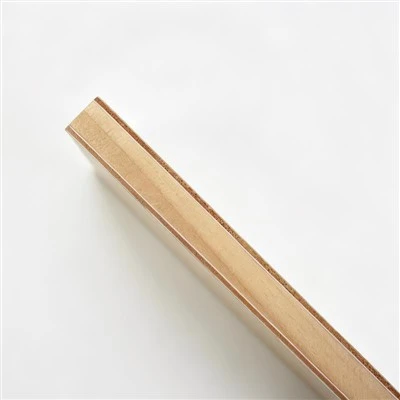
First off, let’s start with the big one that gets brought up nonstop: interior wall cladding. If you’ve ever sat in a coffee shop with smooth, wipeable walls that don’t look like every other generic drywall, that’s almost certainly PET board. Here’s why it works so well here: unlike regular drywall, which scuffs, stains, and gets water damaged if a leaky coffee mug drips on it, PET boards have a seamless, non-porous surface. That means even if someone knocks over a drink, or a kid draws on the wall with a marker, you can just wipe it clean with a damp cloth. No repainting, no patching, no hassle. I recently supplied PET boards for a small retail bakery downtown, and they told me a few months in that they’ve already had to wipe down 12 spills—something they’d have had to replace drywall for at least twice already. Another perk? It’s lightweight, so it doesn’t add extra load to wall structures, which is a huge deal for older buildings where structural limits are tight. A lot of contractors used to avoid adding feature walls in old spaces because extra heavy panels meant reinforcing studs, but PET cuts that work out entirely.
Next up, cabinetry and built-in furniture. I’ve lost count of how many times a kitchen remodeler will come to me saying they hate their old melamine cabinets because they scratch, fade, and chip after just a couple years. PET boards fix that. The surface is impact-resistant, so a dropped pot, a kid’s toy, or a accidental scratch from a screwdriver won’t leave a mark. Also, it’s fade-resistant—unlike melamine, which yellows under direct sunlight, PET holds its color for decades. I supplied PET doors for a line of modular kitchen units last year, and the manufacturer told me that their warranty claims for surface damage dropped by 70% compared to their old melamine products. One thing a lot of people don’t know is that PET boards are also available in a ton of finishes: matte, high-gloss, textured, even wood grain that looks just like real oak or walnut. So you don’t have to sacrifice style for durability. A lot of high-end designers love it because you can get that sleek, uniform high-gloss look without the risk of fingerprints showing up, which is a huge win for kitchens or bathrooms where wet hands are common.
Then there’s ceiling systems. Most people think of ceilings as just plain drywall that you paint once and forget about, but that’s changing a lot in commercial construction now. PET boards are perfect for dropped ceilings, especially in spaces like hospitals, schools, or gyms where cleanliness is non-negotiable. The non-porous surface means mold and mildew can’t grow on it, which is critical for places with high humidity. I worked on a project for a local elementary school a couple years back, and they specifically asked for PET ceiling panels because regular drywall ceilings in bathrooms and gyms were getting moldy and needing to be replaced every 5 years. The PET panels have been up for 7 years now, no mold, no discoloration, no replacement needed. Also, PET boards are fire-resistant—they meet most commercial building code standards for flame spread, which is a big plus for ceilings where fire safety is top of mind. Unlike some plastic materials, PET doesn’t release toxic fumes when it burns, which is another reason it’s used in public spaces.
Wait, let’s not overlook what’s called “acoustic lining” these days. A lot of people don’t connect PET to sound, but it’s actually a great material for controlling noise in buildings. The porous core (wait, no, actually—most PET boards have a solid surface but can be engineered with a lightweight, ribbed backing that traps sound waves) makes them perfect for spaces like home theaters, recording studios, or open office layouts where noise is a problem. I supplied PET acoustic panels for a co-working space last quarter, and their owner told me that after installing them, the background noise dropped by almost 40%, so people can take calls without yelling over each other. Unlike foam acoustic panels, which get dusty and break down over time, PET is durable, easy to clean, and can be cut and shaped to fit any space. It’s also way more aesthetically pleasing than basic foam panels, so you don’t have to cover them up with fabric if you want them to look nice.
Another underrated use: structural backing for high-traffic areas. Wait, I know, a lot of people think PET is just a surface material, but it works great as a backing for things like countertops, tabletops, or even shelving that gets heavy use. Let’s be real: solid wood countertops are beautiful, but they scratch and warp. Plywood backing is cheap, but it delaminates over time. PET board is rigid, moisture-resistant, and doesn’t warp, so it’s the perfect middle man. I’ve had a few custom furniture makers come to me to use PET as a core material for their dining tables—they cover the top with a thin layer of real wood veneer, and the PET underneath keeps it stable. No more cracks from humidity, no more warping from a hot mug set on the table. It’s also lightweight enough that a 6-foot table only weighs about 50 pounds, which is way easier to move than a solid wood table of the same size.
Now, let’s talk about what makes PET boards different from other materials, because a lot of suppliers are pushing it as a one-size-fits-all, and it’s not. First, it’s 100% recyclable. Remember I said it’s made from the same stuff as soda bottles? Well, that means at the end of its life, you can grind it up and turn it into new PET products, so it’s way more sustainable than melamine or MDF, which often end up in landfills. That’s a huge selling point for a lot of architects now, who are being pushed to use more eco-friendly materials. Also, it’s low-VOC. Unlike some particleboard or plywood that releases formaldehyde for years after installation, PET boards don’t off-gas, so they’re safe for indoor air quality. That’s why they’re so popular in homes with kids, or in hospitals where air quality is critical.
But let’s be honest, it’s not perfect. I don’t want to oversell it. It’s a bit more expensive than basic MDF or plywood upfront, but if you do the math—no repainting, no replacing damaged walls or cabinets, it actually saves you money in the long run. I’ve had a customer who put PET walls in his garage a couple years ago, and he told me he spent $1,200 on the boards, and he would have spent $800 on drywall plus $1,500 on repainting and patching every year. So even with the higher upfront cost, it’s a no-brainer for high-use spaces. Also, it can scratch if you drag a heavy, sharp object across it, but that’s true of almost all surface materials—you just have to be smart about how you install and use it.
Wait, another application I almost forgot: retail display fixtures. If you’ve ever walked into a clothing store and seen those sleek, uniform shelves for shoes or handbags, that’s PET board. It’s easy to cut to any size, easy to shape into curved edges, and it looks high-end without looking over the top. I supplied PET display boards for a local shoe chain last year, and they told me that their sales went up a bit because customers thought the displays felt more premium than their old wooden ones. Also, the non-porous surface means if a customer spills water or soda on a display, it doesn’t soak in and damage the wood. A lot of retail spaces have high turnover, so being able to clean and reuse display fixtures is a big plus—PET can be wiped down and repurposed way easier than wood, which might get stained or warped.
Let me also mention something for residential construction, because a lot of people only think about commercial uses. Bathroom walls and vanity backsplashes. If you’ve ever had a tile backsplash that grout gets moldy in, or a painted wall that gets water-damaged from showers, PET board is the solution. It’s water-resistant, so you can install it directly in wet areas without worrying about moisture seeping in. I had a homeowner come to me last year who was remodeling his master bathroom, and he told me he was tired of scrubbing grout for his old tile. We supplied him with large-format PET boards that he cut to fit the entire wall, no grout lines, just a smooth surface that he can wipe clean in 10 seconds. He put in a request for 10 more boards for his guest bathroom a month later, he liked it so much.
Now, let’s talk about common misconceptions. A lot of people think PET boards are only for modern, minimalist spaces, but that’s not true. You can get PET boards in wood grain finishes that look exactly like reclaimed barn wood, or in soft pastels that work for a cozy home, or even in metallic finishes for a industrial vibe. I’ve supplied PET boards for a farmhouse-style kitchen last year, and you’d never know it’s PET unless I told you—they used a light oak grain finish, and it looked just like solid wood, but it was way easier to maintain. Another misconception: that PET is flimsy. No, when it’s a 1/2 inch or thicker, it’s super rigid. I’ve had contractors use it for exterior trim? Wait, no, hold on—don’t use PET for exterior cladding, it’s not UV-resistant enough for prolonged outdoor use. It’s for interior use only, mostly. That’s a key point, a lot of people ask me if they can use it outside, and I always say no, stick to it for inside.
So why should you consider PET board for your next project, instead of the usual suspects? Let’s recap: it’s durable, so it lasts longer than MDF or melamine. It’s easy to clean, which saves time and money on maintenance. It’s eco-friendly and low-VOC, which is better for indoor air quality and meets green building standards. It’s versatile, works for walls, cabinets, ceilings, furniture, displays, and more. Yeah, upfront cost is a bit higher, but the long-term savings make up for it.
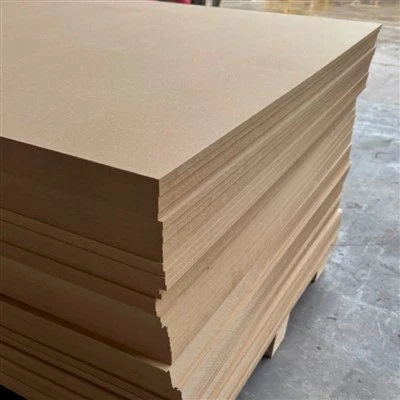
If you’re a contractor, architect, builder, or even a homeowner working on a renovation and you’re curious about how PET board can fit into your project, hit me up. I can send you samples, walk you through the best thickness and finish for your specific needs, and answer any questions you have about installation, code compliance, or pricing. Don’t waste time on materials that will need replacing in a couple years—PET is built to last.
Melamine Faced Plywood References:
- ASTM International. (2021). Standard Specification for Polyethylene Terephthalate (PET) Structural Panels for Interior Construction. ASTM D792-21.
- National Institute of Building Sciences. (2022). Green Building Material Attribute Database: Polyethylene Terephthalate (PET) Panels. NIBS Publication 2022-04.
- Construction Industry Institute. (2020). Durability Performance of Plastic-Based Interior Building Materials. CII Research Report RR-305.
- International Code Council. (2021). Flame Spread and Smoke Developed Ratings for Interior Finishes, Section 803.2. ICC Building Code.
Jiangshan Shunlong Wood Industry Co., Ltd.
As one of the most professional pet board manufacturers and suppliers in China, our products have good reputation in the market. Please feel free to wholesale bulk pet board in stock here and get quotation from our factory. We also accept customized orders.
Address: No.7 Jinfeng Road, Jintangshan Industrial Zone, Hecun Town, Jiangshan City, Quzhou City, Zhejiang Province
E-mail: 17858202655@163.com
WebSite: https://www.shunlongwood.com/
