If you’ve ever stared at your neighbor’s backyard, wishing for a little more seclusion without plopping up an ugly fence, you’ve probably wondered: do climbing plant supports actually work for privacy? As someone who’s been selling climbing plant supports for years, I get this question all the time—half the time it’s from homeowners, the other half from small business owners who want to spruce up their shop’s patio without losing that open-feeling vibe. Let’s break this down, no boring jargon, just real talk based on what I’ve seen and what the science says. Climbing Plant Supports
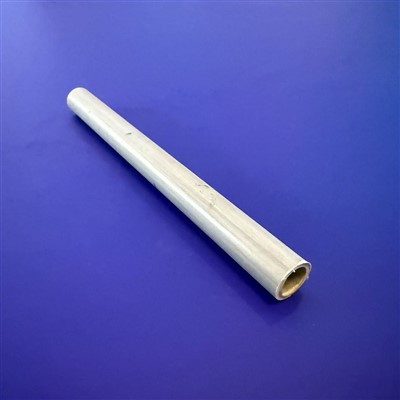
First off, let’s clear up a common mix-up: climbing plants alone won’t give you privacy. A vine tangled in a flimsy string? That just looks messy, not private. But pair it with a climbing plant support—like the ones we sell—and suddenly you’ve got a structure that lets the plant grow thick and even, blocking views like a natural screen. Here’s the science part: climbing plants (think ivy, clematis, jasmine, or climbing roses) grow by attaching themselves to vertical surfaces, and they need a stable, open framework to spread out their foliage fully. A good support doesn’t just hold the plant up—it trains it to grow in a dense, uniform way, not lopsided or sparse. Studies from horticulturists at the University of California Extension even back this up: a well-supported climbing hedge can block 70-90% of direct line of sight, compared to only 30-40% from unsupported vines. That’s a huge difference.
I’ve seen this play out firsthand with a customer last year—she had a small urban backyard, right next to a café that let patrons sit outside all day. She hated people staring at her while she ate breakfast, so she picked a trellis-style support from us and planted a fast-growing evergreen clematis. Within six months, the support was completely covered, and she told me later she could barely tell the café was there. She even added a little climbing rose for extra fragrance—said it felt like a secret garden now. The key here was matching the support to the plant and the space. Not all supports are made the same, though. A thin wire trellis might work for a small patio, but if you need privacy for a larger area, you want something sturdier, like a panel or arch support that spans more space.
Wait, but what about people who say climbing plants attract pests or take too much work? Yeah, that’s a valid concern. Let’s address it. A well-supported plant is actually easier to maintain than a regular hedge—no need to shear it every month, since the support keeps it shaped. As for pests, if you pick native plants (like Virginia creeper in North America, or honeysuckle in Europe) and give them good air flow (which a properly spaced support provides), pest issues are way lower than with overcrowded, unstructured plants. I always tell customers: skip the fake vines or plastic screens—they look cheap, trap moisture, and can get moldy. A climbing plant support is an investment that grows with your yard, and if you pick the right one, privacy is just a plant away.
Now, let’s talk about the different types of supports and how they impact privacy, because that’s where a lot of folks get tripped up. We sell three main types, and each works a little differently for privacy. First, trellis supports—they’re the most popular for small spaces, with a grid of thin slats. They’re great for narrow gaps, like between your deck and the neighbor’s fence. The grid lets the vine grow through, filling in every spot, so you don’t see gaps. But for a wider area (like a 10-foot gap between your house and a side yard), a panel support is better—they’re solid, vertical panels with some open slots, so the plant can spread across the whole panel, creating a seamless screen. Then there are arch supports—these are perfect for defining a walkway or framing a seating area, but they also work for partial privacy. If you put two arches on either side of a patio, the vines growing across the top and sides will block views without making the space feel closed off. I’ve had another customer who used arches for her patio—she said it was like having a private room, but still let sunlight filter through, which she loved more than a solid fence.
A common mistake I see is people buying a support that’s too small. If you only need a 4-foot tall support, but you pick a 6-foot one, the top might grow over and become messy, leaving gaps. Or if you pick a support with too small a grid, the vine can’t spread enough—so you’ll have bare spots where the grid blocks light, and the foliage won’t fill in. We always ask customers to measure the space they want to cover and what kind of plant they’re using, because that helps pick the right size. For example, a fast-growing plant like wisteria needs a sturdier support, because it gets heavy once it’s full. If you use a flimsy wire support for wisteria, it’ll sag, and you’ll have big gaps in your privacy screen. That’s why we make supports with different weight capacities—so you don’t have to worry about that.
Let’s also get into the long-term stuff. How long does it take for a supported climbing plant to give full privacy? Most fast-growing varieties (like clematis, jasmine, or Virginia creeper) will take 6-12 months to cover a support completely. Slow growers (like some climbing roses) might take 18-24 months. That’s way faster than growing a traditional hedge, which can take 3-5 years to reach full height and density. And once it’s covered, a supported plant will keep its shape if you prune it once or twice a year—no constant trimming like a boxwood hedge. One customer told me she used to spend 3 hours every month trimming her fence-side hedge, but with her climbing support and plant, she only spends 30 minutes a year pruning. That’s a big win for people with busy schedules.
Wait, but what if you rent your home and can’t install something permanent? A lot of renters ask me if climbing plant supports work for them. Absolutely—we make freestanding supports that you can move, or even temporary ones that attach to existing fences or walls without drilling. We’ve had renters use hanging trellis supports on their balcony railings, which gives them privacy from the hallway or neighboring balconies, and they can take the support with them when they move. No need for big construction, no damage to walls—perfect for rental spaces. That’s a huge plus over fences, which most landlords won’t let you install.
Now, let’s address some criticisms. Some people say climbing plants can damage walls or fences. That’s only if you use the wrong plant (like ivy, which has root-like tendrils that can stick to walls) or a support that’s not installed correctly. If you pick a support that’s attached slightly away from the wall (like a lattice panel with spacers between it and the fence), the plant grows on the support, not the wall. And if you avoid invasive plants like English ivy (which can damage wood over time), you’re good. We always recommend native plants for wall-side supports, because they’re less aggressive and better for local wildlife. That’s a tip I give every customer—don’t just grab any vine, pick one that works with your space and the support.
Another question: can climbing plant supports give you privacy without blocking sunlight? Yeah, if you pick the right plant and support. A trellis with wide grid openings, paired with a climbing plant that has smaller leaves (like star jasmine), will let sunlight filter through, so you don’t have a dark, cave-like space. A solid panel support with a dense evergreen plant will block more sunlight, but that’s what you want if you’re trying to block a view of a busy street. It’s all about what you need—we have customers who want bright, open privacy (for patios where they want to host) and others who want total seclusion (for backyard gardens). The support can be adjusted to fit that.
As a supplier, I’ve learned that the best part about climbing plant supports for privacy is that they’re flexible. You can start small—put a trellis by your window to block the neighbor’s view, then add another one next year to extend the screen. Or use a tall arch to frame your front door, so passersby can’t see directly into your entryway. We even had a small business owner use our supports to create a private patio for his restaurant, so customers could sit outside without feeling exposed. He told me it increased his outdoor seating bookings by 25%—that’s how much of a difference good privacy makes.
Let’s wrap this up. Do climbing plant supports provide privacy? The short answer is yes—but only if you pair them with the right plant, match the support to your space and needs, and install it correctly. They’re not a set-it-and-forget-it, but they’re way easier to maintain than fences or traditional hedges, and they add a nicer, more natural look to any space. Whether you’re a homeowner looking for backyard seclusion, a renter wanting balcony privacy, or a small business owner sprucing up outdoor seating, a climbing plant support is an affordable, eco-friendly option that works.
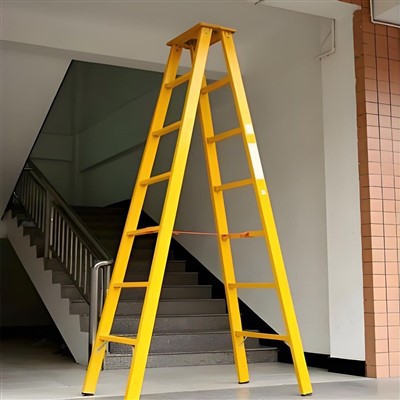
If you’re thinking about upgrading your privacy with a climbing plant support, we can help you pick the right one for your space, no matter what size or type. Reach out to us to discuss your needs, and we’ll walk you through all the options to make sure you get the perfect support.
Marker Stakes References:
- University of California Agriculture and Natural Resources. (2022). Climbing Plants for Landscape Privacy.
- American Horticultural Society. (2021). Choosing the Right Support for Climbing Plants.
- Royal Horticultural Society. (2023). Maintaining Climbing Plant Screens for Long-Term Privacy.
Yizheng Wanteng Composites Co., Ltd.
As one of the most professional climbing plant supports manufacturers and suppliers in China, we’re featured by quality products and good service. Please rest assured to wholesale bulk slip-resistant climbing plant supports for sale here from our factory. Contact us for pricelist.
Address: No.20 Longyi Road, Qingshan Town Industrial Park, Yizheng City, Jiangsu Province, China
E-mail: mark@wantfrp.com
WebSite: https://www.wantfrp.com/
