Let me start by setting the scene like I’m chatting with you over a coffee after a long day of packaging acrylic stands for a boutique skincare brand. For three years, I’ve run my small display stand company—you’ve probably seen our work in urban beauty shops, tech accessory stores, and even local craft fairs—and every week, someone new asks me the same question: “Are those acrylic display stands safe?” It’s a fair question, and not just from business owners worried about their products or customers checking if their kids can reach something without risk. Last quarter, a café client called me panicking because one of their new acrylic cake stands snapped mid-service, and I spent three hours troubleshooting with them at 7 p.m. after closing. That incident pushed me to dive deep into safety concerns with acrylic display stands, beyond just the casual “it’s plastic” assumption most people make. Acrylic Display Stand

First, let’s get one thing straight: acrylic isn’t the same as cheap disposable plastic you buy at the dollar store. Most of the stands we source and ship (and I only work with manufacturers that test every batch) are made from PMMA—polymethyl methacrylate, the rigid, shatter-resistant stuff that’s used in bulletproof glass inserts and airplane windows. But even with that quality, safety concerns pop up, and they’re not always about the material itself. Let’s start with structural failure, because that’s the one I’ve had the most hands-on experience with. The café cake stand incident? It turned out they’d overloaded it—they were using a 12-inch round stand to hold three 9-inch tiers, which added almost twice the weight it was rated for. Acrylic has a tensile strength, right? I looked it up that night, using the same engineering charts I keep in my desk for orders—PMMA’s tensile strength is around 7,000 psi, which is stronger than glass, but it has a lower flexural modulus than aluminum. That means it bends more before it breaks, and if you push it beyond its weight limit, the break isn’t just a clean snap—it’s a brittle shatter that can send sharp edges flying. I’ve seen that happen at a trade show too: a jewelry vendor stacked acrylic risers with 20 glass pendants each, and when the bottom riser’s glue joint let go, the whole stack crashed, cutting a customer’s hand. The key here is that structural safety isn’t just about the acrylic—it’s about how the stand is built. Cheap stands use solvent cement that doesn’t fully cure, or they cut corners on the base thickness. For our company, we never sell a stand without a weight rating label, and we include a printed guide that says “max weight” in bold, no fine print. That’s a safety step I wish more vendors took.
Next up, chemical safety. This is a big one for brands that display food, cosmetics, or medical products, because acrylic can leach chemicals if it’s not properly manufactured or cleaned. I remember a client who sells organic baby skincare products—they called me because they noticed a faint plastic taste on a few test lip balms that were sitting on our acrylic lip balm stands. We tested the stands, and turns out the manufacturer they’d been using for those bulk orders was cutting corners on the polymerization process, leaving unreacted methyl methacrylate (MMA) monomers in the acrylic. MMA is a volatile organic compound (VOC) that can irritate skin and mucous membranes, and when it leaches into products that touch skin (or even food, if it’s a deli stand), that’s a problem. The good news is that reputable acrylic manufacturers cure acrylic for 72+ hours at controlled temperatures to evaporate residual monomers. We now require all our suppliers to provide COA (certificates of analysis) for every batch, and we test 5% of every shipment for MMA levels. For food-grade stands, we use acrylic that’s FDA-approved, and we label those clearly so clients don’t accidentally use a cosmetic display stand for cheese. Also, cleaning acrylic is a big part of chemical safety—people often use ammonia-based window cleaners on acrylic, which etches the surface and can create tiny crevices where bacteria grow, or even break down the material over time. I tell all our clients to use mild soap and water, or specifically acrylic cleaner, which preserves the surface and keeps it safe for whatever they’re displaying. That’s a common mistake that leads to safety issues that no one sees coming at first.
Then there’s impact safety, which is what most people think of when they ask about acrylic vs. glass. I’ve had a hundred clients tell me, “I chose acrylic because it won’t shatter,” and that’s mostly true—most of the time. But not all acrylic is impact-resistant. If you buy a thin, low-grade acrylic stand from a random online wholesaler, it will scratch super easily, and if it’s dropped or hit with a hard object, it can crack. Cracks in acrylic are a safety hazard because they can propagate quickly, and the edges of a cracked acrylic piece are sharp enough to cut. Last holiday season, a boutique clothing store ordered acrylic earring stands from a non-specialty supplier, and a display stand fell off a shelf, cracking along the base. The store’s employee tried to fix it with super glue, but the stand shifted when a customer knocked into it a week later, sending dozens of earrings crashing to the floor—and the cracked edge nicked the customer’s arm. That incident made us add a line to our product descriptions: “For retail display, stands over 8 inches in height come with reinforced edges to prevent cracking from minor impacts.” It’s a small detail, but it makes a difference. Also, for high-traffic areas like malls or food courts, we recommend thicker acrylic (at least ¼ inch for base plates) and adding non-slip padding to the bottom of stands to keep them from sliding if they get bumped. I’ve seen stands fall because a store used a hard, smooth base on a polished tile floor, and that’s a totally preventable safety concern.
Wait, let’s not ignore UV-related safety, because that’s a big one for displays that are near windows or under bright overhead lights. Acrylic is UV-resistant when it’s the correct grade, but cheap acrylic will yellow and become brittle over time when exposed to UV rays. Brittle acrylic is more likely to break, and yellowed acrylic can even leach small amounts of chemicals as it degrades. I had a plant nursery client a few years ago who used clear acrylic stands to display succulents near their front window. After six months, the stands had turned a cloudy yellow, and a few of the side panels cracked when a gardener leaned on them to reach a plant. We switched them to UV-stabilized acrylic stands, and they’ve been using them for two years without any issues. The difference is that UV-stabilized acrylic has additives that block harmful UV rays, so it doesn’t break down as quickly. For clients that are displaying items near windows, we always point out the UV-rated options, and we include a note in the order confirmation about avoiding prolonged direct sunlight if they use non-UV acrylic. It’s not a danger that’s immediate, like a broken stand, but it’s a long-term safety concern that can lead to accidents down the line.
Now, let’s talk about the common myths that pop up when people ask about acrylic display stand safety. I hear two all the time: “Acrylic is toxic for any food display” and “All acrylic stands are the same, so safety is guaranteed.” The first myth is wrong because there’s FDA-approved acrylic that’s designed specifically for food contact, used by bakeries, coffee shops, and even fruit stands. The second myth is why I started prioritizing safety testing for my business—because a lot of big box suppliers cut corners, and their “affordable” stands are often not tested for weight limits or chemical leaching. I’ve had a client switch to our stands after two different incidents with cheap acrylic: first, a nail salon used non-food acrylic to display polish bottles near their foot bath, and the fumes from the un cured acrylic made clients lightheaded. Then, a restaurant used cheap acrylic to display sandwiches, and the plastic leachate caused a skin rash on a regular customer. That client is now one of our longest-term accounts, because I sat down with them and walked through every safety check we do on our stands—from monomer testing to weight rating verification.
Here’s what I’ve learned over three years in this business: safety with acrylic display stands isn’t about the material itself, it’s about how the stand is made, installed, and used. No, acrylic isn’t inherently unsafe—but if you buy a stand that’s too thin, not cured properly, or doesn’t have clear weight limits, you’re setting yourself up for problems. As a supplier, my job isn’t just to sell a display stand that looks good—it’s to make sure it’s safe for my client’s customers, their products, and their staff. That’s why we include free safety guidelines with every order: how to clean, how to weight stands, what to do if a stand gets cracked or damaged, and when to replace a stand (we even offer a discount on replacement parts for our regular clients, because we’d rather fix a broken stand than have someone get hurt).
I know a lot of small business owners care about keeping costs low, and I get that—when you’re launching a new boutique or café, every dollar counts. But skimping on display stands is a false economy. The incident with the nail salon, the cut customer at the trade show, the café stand that snapped—those all cost more than a quality acrylic stand would have cost in the first place. As someone who’s been in their shoes, I know that a smooth, safe display makes a better impression on customers, too. No one wants to watch a stand fall and a customer get hurt while they’re shopping—they just want to focus on the product they came for.
If you’re a business owner shopping for acrylic display stands, don’t just pick the cheapest option you see online. Ask about their safety testing: do they provide COAs, weight ratings, FDA approval for food or cosmetic stands? Do they use UV-stabilized acrylic for displays near windows? Do they have a plan for damaged stands? For my part, every stand we ship goes through a final check: I personally test every new design to make sure it holds the weight we say it does, and I’ve never had a customer report a serious issue with our stands because of the steps we take.
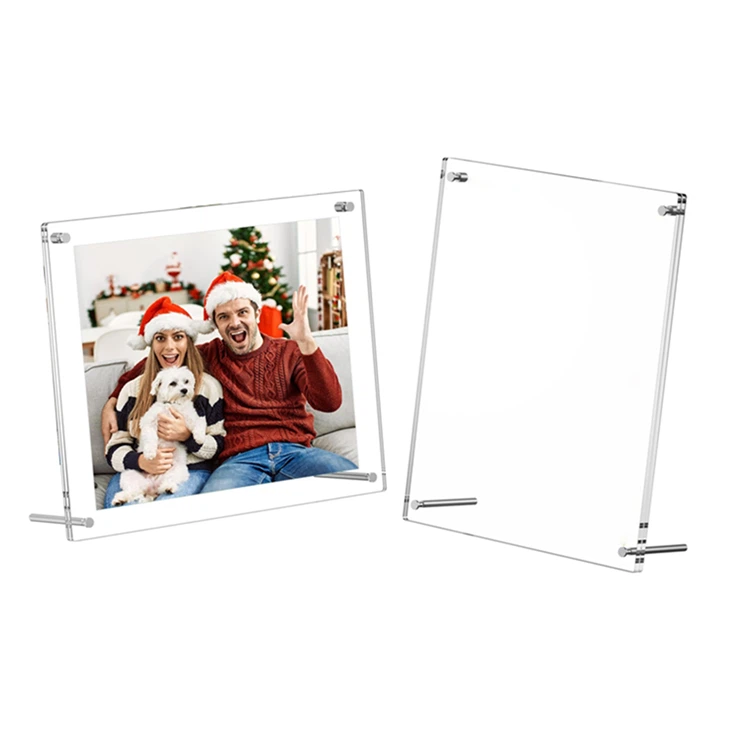
At the end of the day, acrylic is one of the safest display materials on the market when it’s made and used correctly. The safety concerns aren’t inherent to acrylic—they’re about cutting corners in manufacturing, skipping safety testing, or not following basic usage guidelines. If you’re looking for display stands that look great, hold up to daily use, and keep your customers and products safe, I’m here to help. We can walk through your space, what you’re displaying, and your budget to find stands that check all the boxes. There’s no pressure—just honest advice from someone who’s seen the mistakes, fixed the problems, and wants every client to feel confident in their display setup.
Acrylic Display Stand When I started this business, I never thought I’d spend half my days troubleshooting safety issues or testing monomer levels in acrylic. But that’s part of being a responsible supplier, right? You don’t just sell a product—you stand behind it. If you have questions about acrylic display stand safety, or you’re ready to chat through what you need for your business, feel free to reach out. I’m always happy to help.
References
- American Architectural Manufacturers Association. (2021). PMMA (Acrylic) Performance Standards for Commercial Display Applications.
- U.S. Food and Drug Administration. (2022). Food Contact Materials: Polymethyl Methacrylate (Acrylic) Resins and Polymers.
- Society of Plastics Engineers. (2020). Structural Safety Considerations for Polymethyl Methacrylate Displays in High-Traffic Retail Environments.
- International Organization for Standardization. (2019). ISO 12095: Plastics – Poly(methyl methacrylate) sheets and rolls for general purposes.
Wenzhou Daoqin Crafts Co., Ltd.
With abundant experience, we are one of the most professional acrylic display stand manufacturers and suppliers in China. Please rest assured to wholesale bulk customized acrylic display stand from our factory. If you have any enquiry about quotation and free sample, please feel free to email us.
Address: Room 401, Building 5, Wanyang Innovation City, No. 9 Yangyu Road, Binhai New Area, Pingyang County, Wenzhou City, Zhejiang Province, China
E-mail: wzdaoqin@163.com
WebSite: https://www.wzacrylic.com/
