Hey everyone, it’s Jake here, and for the last six years, I’ve been the go-to guy for cold room wall sandwich panels—so let’s cut to the chase: I get asked nonstop, “Can I install these panels over my existing walls instead of tearing them out?” Cold Room Wall Sandwich Panels
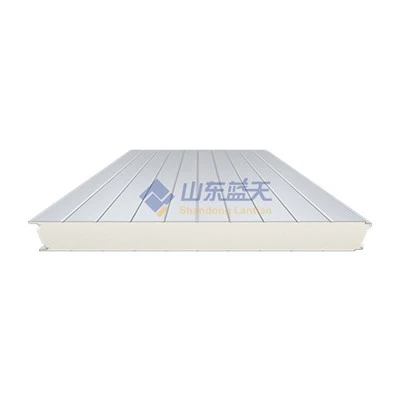
At first, I’d give the quick, surface-level answer, but lately, I’ve been walking through actual jobs with small grocery store owners, craft breweries, and even a few farm supply shops, and let me tell you, that “quick answer” doesn’t cover half the stuff that actually goes wrong (or right) when you skip the demo.
First off, let’s get one thing straight: installing cold room panels over existing walls isn’t a “one-size-fits-all” yes or no. If someone tells you it’s always a bad idea? They’re either a contractor who makes money tearing out old drywall, or they’ve never had a small, tight space where demo would mean shutting down for 2 weeks instead of 2 days. If they say “do it no matter what”? They’re selling cheap panels that’ll crack in a year. My team and I see this all the time, so let’s break down the real stuff you need to know before you even grab a drill.
Let’s start with the good parts, because that’s why most people are asking. For small businesses—like that neighborhood bodega that only needs a 10×12 cold room for sodas, or a microbrewery’s small fermentation cold room—demoing the old wall is a huge pain. Most of these spaces are already packed with inventory, and if you rip out the old sheetrock, you’re looking at a mess of dust, discarded insulation, and maybe even mold that’s been growing behind the wall for years. Installing over existing walls means zero mess, way less downtime, and you don’t have to rent a dumpster for a pile of old wall scraps.
We worked with a local pizza shop last month—they had a tiny cold room that was holding temps at like 52°F, which is why their pepperoni was going bad every other week. The owner, Mike, couldn’t close for more than 2 days, and demo would’ve taken a week because they had to move all their ovens and prep tables out. We measured his existing walls, made sure they were solid enough, and installed the panels over the old drywall in 18 hours. Now his cold room holds a steady 36°F, and he didn’t have to toss his stock. That’s the win side of this question.
But here’s the catch: you can’t just slap panels over any old wall. This is where science and real-world experience matter, not just a sales pitch. Let’s talk about the non-negotiables. First, your existing wall has to be structurally sound. I’m not talking about “doesn’t fall down if you push it”—I mean no big cracks, no soft spots, no areas where a nail pulls out. If your old wall is made of lath and plaster (like most old houses and small commercial spaces), you need to check every section for loose plaster. We use a small hammer to tap the wall—if it sounds hollow in more than a few spots, that plaster’s gonna crumble under the weight of the panels, especially if you’re using thicker panels (we usually recommend 4-inch or 6-inch for small cold rooms, but 8-inch for bigger ones).
Next up is moisture. This is the big one that causes 90% of the problems we see with over-installed panels. Cold rooms work by keeping warm, moist air out, right? So if you install a vapor barrier panel over an existing wall that already has moisture trapped in it, that moisture has nowhere to go. It’ll get stuck between the old wall and the new panel, leading to mold, mold odor, and even water damage to your inventory. We had a client a year ago who tried to skip checking for moisture—he had a leaky pipe behind his old wall that he didn’t notice. Within 6 months, he had to tear out half the panels because there was black mold growing all over the old drywall. Now we always do a simple moisture test: stick a pinless moisture meter to the wall, and if it’s over 15%, you can’t install over it—you have to dry it out or demo.
Then there’s the gap issue. Existing walls aren’t perfectly flat. Even if you think your wall is straight, there might be a 1/4-inch bump here, a 1/8-inch gap there. If you just mount the panels without fixing those gaps, you’ll have air leaks. Cold air is expensive—even a tiny air leak can make your compressor work 24/7, jacking up your electric bill. So what do we do? We use shims (thin, durable ones, not just random scraps of wood) to fill in the gaps, and we caulk every seam between the panel and the existing wall with a cold-grade silicone. We never skip that step, and we always tell our clients that saving 2 hours on shimming will cost way more in electricity if you skip it.
Now, let’s talk about when you should definitely NOT install over existing walls. If your old wall is already rotting, or has mold that’s more than just a small spot—demo that. If you’re installing a big cold room (like 20×30 or bigger), demo is probably worth it because you need to make sure the floor is level too, and you don’t want to deal with gaps that throw off the panel alignment. And if your local building codes require new walls to be a certain thickness? We’ve had a few clients in areas with strict energy codes who couldn’t get away with installing over, because the total wall thickness had to meet a minimum R-value. That’s something you need to check before you start, because no one wants to have to redo the whole thing to pass an inspection.
Wait, I should also mention panel type here. Not all sandwich panels are made the same. If you’re buying cheap, thin panels from a random online supplier, they’re not gonna be rigid enough to install over existing walls. We use only PIR core panels (polyisocyanurate) because they’re lightweight but super rigid—perfect for when you don’t want to add more weight to your old wall. Some suppliers use EPS core panels, which are cheaper, but they’re less dense, so you’ll get more air leaks and worse insulation. We always tell our clients to ask for the core type before they buy, because that’s half the battle.
Another thing we always bring up: electrical. If you have outlets or wiring running along the wall, you can’t just mount panels over them. You have to route the wires either behind the new panels (but you have to make sure the panel is thick enough to fit the wiring) or move them before installation. That’s a small detail, but if you forget, you’ll be cutting holes in your new panels to reach outlets, which ruins the insulation in that spot. We include a pre-install walkthrough for every client, so we map out all wiring and plumbing before we even order panels—no surprises.
Let me share another real example to drive this home. Last year, a small farm market came to us panicking because their old cold room wall was leaking, and their apples were freezing too much. They tried to install cheap panels over their existing concrete block wall, and within 3 months, the panels were bulging in spots. When we pulled them off, we found that the concrete block was uneven, and they didn’t use shims. The bulging created gaps, so cold air was seeping into the room, making the thermostat think it was warmer than it was, so the compressor would shut off, leading to frozen apples. We demoed a small section, fixed the uneven concrete, installed our rigid PIR panels with shims, and now their cold room has been working perfectly for 18 months.
So what’s the final verdict here? Is installing cold room wall sandwich panels over existing walls possible? Yeah, totally—if you do it right. That means checking the wall structure, testing for moisture, fixing gaps with shims, using high-quality rigid panels, and making sure you don’t skip electrical or code checks. If you’re a small business with a tight space and a small budget, this is often the best move. But if your wall is moldy, rotting, or your space is big enough that demo makes sense, don’t force it—you’ll just end up paying more down the line.
For me, this job isn’t just selling panels—it’s making sure our clients’ cold rooms work for years, not just a year. I’ve seen too many people cut corners to save a buck, only to have to replace the whole thing 12 months later.

If you’re thinking about installing cold room panels over your existing wall, feel free to reach out. We can walk through your space, answer all your questions, and hook you up with panels that fit your needs. No sales pitch, no pressure—just honest advice from someone who’s been doing this for way too long.
EPS Sandwich Panels Now, for the references:
- ASHRAE Handbook—Refrigeration, 2022
- National Institute of Building Sciences, Building Code Requirements for Low-Rise Residential and Commercial Structures, 2021
- Cold Chain Federation, Best Practices for Retrofit Cold Room Installations, 2023
- International Code Council, Energy Conservation Code for Buildings, 2022
Shandong Lantian New Material Technology Co., Ltd.
Shandong Lantian New Material Technology Co., Ltd. is one of the most reliable manufacturers and suppliers of cold room wall sandwich panels in China, featured by quality products and low price. Please rest assured to buy bulk cold room wall sandwich panels for sale here from our factory. Contact us for pricelist and customized service.
Address: North End of Wanshida Road, Dianzi Town Industrial Park, Boxing County, Binzhou City, Shandong Province
E-mail: Lantian023@ltaaaaa.com
WebSite: https://www.ltpirpanels.com/
