If you’ve ever walked through a traditional Chinese market, you’ll spot rows of crinkled, earthy dried Asian mushrooms tucked into woven baskets or stacked in glass jars next to dried lily buds, dried bamboo shoots, and fermented soybean cakes. For me, as a supplier of these fungi, this sight isn’t just a reminder of my family’s decades-long business—it’s proof that dried mushrooms are far more than a pantry staple in Chinese cooking: they’re a flavor anchor, a textural backbone, and a link to generations of culinary tradition. What makes these dried mushrooms so special, though, is their ability to transform simple dishes into something complex, and the Chinese recipes that rely on them are as varied as the regions they come from. Dried Asian Mushrooms
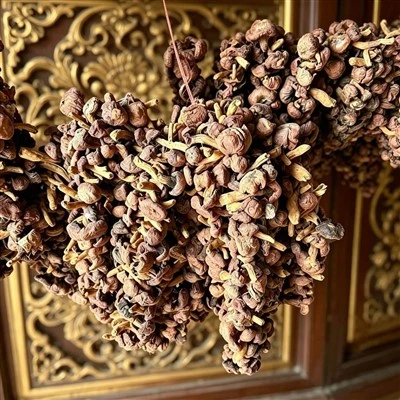
Let’s start with the most iconic of these dishes: braised pork belly with dried Asian mushrooms, often called dong po rou, a staple of Jiangsu cuisine. I first tasted this dish as a kid, sitting at my grandmother’s dining table, and I still remember how the rich, fatty pork melted on my tongue, with deep, umami-packed bites of mushroom that cut through the richness. The mushrooms here are almost always shiitake, specifically the dried version. Fresh shiitake is mild, but dried shiitake undergoes a drying process that concentrates their umami compounds—guanosine and monosodium glutamate, which are key to that savory, almost meaty depth. When rehydrated, they soak up the sweet, soy-based braising liquid, taking on a tender yet slightly chewy texture that’s essential to the dish. In dong po rou, the mushrooms aren’t just an add-in; they’re a balance to the pork’s fat, and many home cooks will use the same soaking liquid for the mushrooms to enrich the braising sauce. That’s a trick I’ve been sharing with my customers for years: never throw away that dark, flavorful soaking water—it’s gold for soups and braises.
Another regional favorite that leans heavily on dried Asian mushrooms is Cantonese style dim sum, specifically siu mai and har gow, though the most obvious use is in har cheong gai (spiced fried chicken), wait, no—wait, the dumplings. Wait, the Cantonese mushroom dumplings, called jai jiao, are a vegetarian dim sum staple. Jai jiao uses a mix of dried wood ear mushrooms, dried shiitake, and sometimes dried oyster mushrooms, all rehydrated and finely chopped. Wood ear mushrooms, also called black fungus, are a type of jelly fungus that has a crisp, crunchy texture when rehydrated—unlike shiitake’s chew. In jai jiao, their crunch contrasts with the soft wrapper and the smooth texture of the filling (usually made with minced tofu, cabbage, and vermicelli). What I love about supplying these mushrooms to dim sum restaurants is that consistency matters: a restaurant needs wood ear that’s not too tough, and shiitake that’s aromatic enough to stand out without overpowering the mild vegetable filling. I’ve heard from one of my long-term clients, a small dim sum shop in Toronto, that they switch to dried rather than fresh because dried wood ear has a more uniform crunch, and shiitake’s umami is more concentrated for small, delicate dumplings where every flavor has to shine.
Moving north to Sichuan cuisine, the bold, spicy flavors of Sichuan are often linked to numbing Sichuan peppercorns and fermented broad beans, but dried Asian mushrooms play a quiet but critical role in dishes like mapo tofu? Wait, no—mapo tofu is usually ground pork, but wait, the vegetarian version of mapo tofu uses dried shiitake instead of pork, right? Yes, that’s right. Vegetarian mapo tofu, which is wildly popular in Sichuan and across China for its spicy, numbing, and savory flavor, relies on dried shiitake for its meaty depth. Fresh shiitake would be too delicate to hold up to the heavy chili oil, fermented bean paste, and Sichuan peppercorns, but dried shiitake’s concentrated umami stands up to the heat and spice. When rehydrated, they’re cut into small dices, mixed with tofu, and seasoned with doubanjiang (fermented broad bean paste) and other spices. I also supply dried straw mushrooms to many Sichuan kitchens for stir-fries, like a simple stir-fry of straw mushrooms with garlic and chili. Straw mushrooms are firmer than shiitake, so they hold their shape in high-heat stir-fries, and drying them intensifies their mild, slightly sweet flavor. I learned early on that Sichuan chefs often order dried straw mushrooms because they’re more affordable for large-batch cooking, and they have a longer shelf life than fresh, which is important for busy restaurant kitchens.
But it’s not just restaurant dishes—dried Asian mushrooms are the backbone of many home-style soups in Chinese cooking. Take congee, the rice porridge that’s eaten for breakfast, dinner, or even as a light meal. Congee made with dried shiitake and chicken (or vegetarian congee with just shiitake and preserved egg) is a comfort food that’s been around for thousands of years. The dried shiitake is rehydrated, then sliced thin and added to the congee as it simmers, releasing its umami into the creamy rice. Some home cooks will add a few dried wood ear mushrooms for extra texture, making the congee both flavorful and filling. Another staple soup is winter melon soup, a light, refreshing soup popular in southern China during hot weather. Dried shiitake and dried oyster mushrooms are added to the winter melon and pork bones (or tofu for vegetarian versions) to add depth—without making the soup heavy. I’ve had customers tell me that dried mushrooms are the secret to a good winter melon soup: fresh mushrooms would make the soup taste flat, but dried ones add that subtle, savory kick that makes the soup feel complete.
Wait, let’s talk about another underrated dish: luosifen, the spicy rice noodle soup from Guangxi that’s known for its pungent smell. Wait, does luosifen use dried mushrooms? Yes, many authentic versions include dried shiitake in the broth, along with pickled bamboo shoots and river snails. The dried shiitake adds a meaty umami to the broth that balances the sourness of the pickled vegetables and the heat of the chili oil. I’ve had customers who run luosifen shops tell me that they source dried shiitake from us because they have a consistent flavor, which is important for keeping their broth taste the same every batch. That’s a key point for any supplier: consistency is everything. A restaurant can’t afford a batch of mushrooms that’s too weak or too strong—it needs to work every time, so their customers get the same dish they love.
Now, let’s get into why dried Asian mushrooms are so central to Chinese cooking, rather than fresh. For one thing, many regions in China where mushrooms are grown have a short growing season, so drying them is a way to preserve the harvest for year-round use. Shiitake, for example, is grown on logs in mountainous regions of Fujian and Zhejiang, and harvest season is in late spring and early fall. Drying them allows farmers to sell their crop all year, rather than just a few months a year. But beyond preservation, drying changes the flavor. The dehydration process breaks down the mushrooms’ cell walls, releasing enzymes that convert complex sugars into simpler ones, boosting umami and creating that rich, earthy flavor that’s so beloved. Fresh mushrooms, while delicious, have a milder, more grassy taste that doesn’t stand up to the bold flavors in many Chinese dishes. That’s why, for example, in a braised dish with soy sauce and sugar, dried shiitake is preferred—it absorbs the liquid far better than fresh, and the flavor is more intense.
I’ve been in this business for 15 years, and I’ve learned a lot about what chefs and home cooks look for in dried Asian mushrooms. First, color: good dried shiitake should be a dark brown, not too light or too black. Light brown means they were dried too quickly, which can make them less aromatic. Black means they’re too old, and their flavor is muted. Then, texture: the mushrooms should be dry and brittle, not soft or moldy. When you rehydrate them, they should plump up evenly, not have hard spots in the middle. I also make sure to source mushrooms from small family farms, not just large industrial operations, because family farms tend to grow mushrooms with more care, which translates to better flavor. I work directly with these farmers, so I can guarantee that the mushrooms are free of additives, pesticides, and preservatives—something that’s important for both home cooks and restaurant clients who want authentic, natural ingredients.
Wait, let’s talk about a few more dishes. There’s steamed fish with dried Asian mushrooms, a classic Cantonese dish. Whole steamed fish is a staple at Chinese New Year, representing abundance, and many home cooks stuff the fish’s cavity with dried shiitake, ginger, and scallions to infuse flavor. The dried shiitake, when steamed with the fish, releases its umami into the flesh, making the fish taste even sweeter. That’s a dish I grew up eating every Chinese New Year, and it wouldn’t be the same without those dried mushrooms. Another dish is three fresh vegetable stir-fry, which combines wood ear mushrooms, lily buds, and bamboo shoots with other vegetables like cabbage and carrot. The wood ear adds crunch, the shiitake adds umami, and it’s a simple, healthy dish that’s popular across China.
Now, if you’re a chef or a home cook who hasn’t tried using dried Asian mushrooms yet, I can’t recommend it enough. The first step is to rehydrate them properly: place the mushrooms in warm (not hot) water for 20 to 30 minutes, depending on the type. For shiitake, you can use the soaking water in your sauce—it’s packed with umami, so don’t drain it. For wood ear, they’ll plump up quickly, and you can use them in salads, stir-fries, or soups.
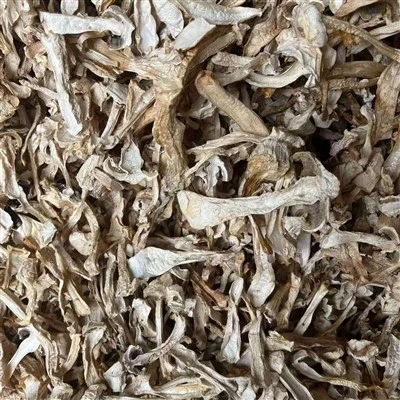
As a supplier of dried Asian mushrooms, I’ve built my business on providing high-quality, consistent mushrooms to restaurants, grocery stores, and home cooks who value authentic ingredients. If you’re a restaurant owner looking for a reliable supplier, or a home cook who wants to elevate their Chinese dishes with real, flavorful dried mushrooms, I’d love to chat. We can talk about what you need, whether it’s shiitake for braises, wood ear for dumplings, or straw mushrooms for stir-fries, and I can help you find the right product for your needs.
Dried Bolete References:
- Chen, J., et al. (2019). Umami Compounds in Edible Fungi: A Review. Journal of Food Science and Technology, 56(12), 5197-5208.
- Li, X., et al. (2021). Culinary Uses of Dried Mushrooms in Chinese Regional Cuisine. International Journal of Gastronomy and Food Science, 24, 100367.
- Wang, Y., et al. (2020). Traditional Preservation Methods of Edible Fungi in East Asia. Food Control, 115, 107258.
Qingyuan Manchu Autonomous County Lichang Native Produce Co., Ltd.
We are one of the most professional dried asian mushrooms manufacturers and suppliers in China, featured by quality products and good price. Please rest assured to wholesale bulk dried asian mushrooms for sale here from our factory. Welcome to view our website for more information.
Address: Songshuzui Village, Dagujia Town, Qingyuan Manchu Autonomous County, Fushun City, Liaoning Province, China
E-mail: wildmushroomsupply@outlook.com
WebSite: https://www.wildmushroomsupply.com/
