When I first started my pallet handling vehicle supply business, back in 2012, I thought the biggest choice customers would face was between different load capacities. After all, a pallet jack that moves a 5,000-pound load isn’t the same as one for 2,500 pounds. But over the years, I’ve learned the real fork in the road comes down to power: electric vs. diesel. This isn’t just a matter of preference—it’s a decision that affects your warehouse efficiency, operating costs, and even compliance with local environmental rules. I’ve seen customers pick electric only to regret it six months later because they underestimated their outdoor needs, and vice versa. Today, let’s break down the differences straight from the front lines of a pallet handling vehicle supplier, no jargon, no sales fluff—just what actually matters for your operation. Pallet Handling Vehicle
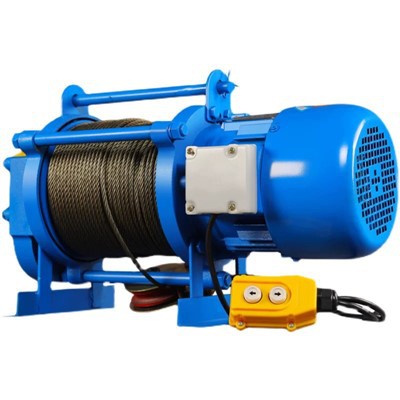
First, let’s get the basics straight. Pallet handling vehicles cover a range: from manual pallet jacks (the ones you push by hand) to powered walkies, riders, and even heavy-duty stackers. When we talk electric vs. diesel, we’re referring to the powered models—these are the workhorses that replace manual labor for moving pallets around warehouses, loading docks, and yards. Diesel models run on internal combustion engines, while electric ones rely on rechargeable batteries. The similarities end there.
Let’s start with the biggest variable most customers care about: where you’ll use the vehicle. This is the first thing I ask every potential buyer, because it narrows down the entire choice. Diesel pallet handling vehicles are built for rough, open spaces. I see this most often with construction sites, retail distribution yards, or food processing plants that load trucks directly from outside storage. A diesel engine doesn’t need a controlled, climate space to operate. It can handle uneven pavement, gravel, or even light mud without a problem. Electric models, on the other hand, are designed for indoor use. Their batteries are sensitive to extreme temperatures (we’ll get to that later) and their motors are built for smooth concrete surfaces. If you try to use an electric pallet jack on a busy outdoor yard where pallets are loaded between trucks, you’re going to deal with damaged tires, worn-out batteries, and frustrated operators. I had a customer last year who bought a dozen electric units to use in their outdoor warehouse yard; within three months, they were back asking for diesel replacements because the electric vehicles couldn’t handle the frequent trips over uneven curbs between the building and the parking lot.
Next, power and load capacity. Let’s be honest: if you need to move heavy loads, diesel is still the king. A standard electric pallet jack maxes out around 4,500 pounds of load capacity, with most mid-range models hitting 3,000 to 4,000 pounds. That works for most retail or office warehouse needs, where pallets of boxes average 3,000 pounds. But for operations like lumber yards, metal fabrication shops, or bulk food storage, where pallets can weigh 6,000 to 10,000 pounds, diesel is the only option. Diesel engines deliver consistent torque, even when lifting or moving heavy loads over long distances. Electric models can struggle with steep ramps or long hauls carrying full loads—their batteries drain faster, and the motor doesn’t have the same sustained power as a diesel engine. That said, electric tech has come a long way. The lithium-ion batteries we use in our newer electric units deliver up to 8 hours of continuous run time, compared to the lead-acid batteries we used 10 years ago that died after 4 hours. But even with that, diesel still beats out heavy load capacity for outdoor use.
Operating costs are another area where the differences add up fast, and this is where some customers get fooled by upfront price tags. A basic electric pallet handling vehicle usually costs $2,000 to $5,000 less than a comparable diesel model. That’s a big selling point at first glance. But when you factor in long-term costs, the picture shifts. Diesel fuel is expensive, especially for operations that use their vehicles 8 hours a day, 5 days a week. A diesel pallet jack can burn 1 to 2 gallons of fuel per hour, so that’s $30 to $60 a day in fuel costs, depending on local diesel prices. Over a year, that’s $7,800 to $15,600 just in fuel. Electric models run on electricity, which is a fraction of that cost. A full charge for an electric pallet jack costs $1 to $3, and that lasts 8 hours. So that’s less than $1,000 a year in electricity costs. But wait—there’s a catch. Electric vehicles need battery replacements. Lithium-ion batteries last 3 to 5 years and cost $1,500 to $2,500 each. Lead-acid batteries (still used in some budget electric models) last 1 to 2 years and cost $500 to $1,000. Diesel engines have their own maintenance costs: oil changes, filter replacements, and occasional engine repairs. A diesel pallet jack needs an oil change every 200 to 300 hours, which costs $100 to $150. Over a year, if you run it 2,000 hours, that’s 7 to 10 oil changes, or $700 to $1,500. So let’s do a quick total: over 5 years, electric costs would include the initial higher price tag, two lithium-ion battery replacements, and low electricity costs. Diesel costs would include the lower initial price tag, fuel, oil changes, and engine repairs. For customers using vehicles outdoors more than 50% of the time, diesel ends up cheaper. For indoor-only customers, electric saves money in the long run. I always show customers this breakdown, because so many only look at upfront price and end up with the wrong fit.
Environmental impact and compliance is another big difference that’s only gotten more important in the last 5 years. Diesel engines emit exhaust fumes—carbon monoxide, nitrogen oxides, and particulate matter. That’s a problem for indoor use, because even with ventilation, those fumes can build up and be harmful to workers. OSHA has strict limits on carbon monoxide levels in workplaces, and running a diesel pallet jack in a closed warehouse is a quick way to hit those limits. Outside, though, diesel emissions are a concern for local regulations. Many cities are banning diesel-powered equipment in downtown warehouses or new construction sites to reduce air pollution. Electric pallet handling vehicles produce zero tailpipe emissions, which makes them perfect for indoor use, and they’re eligible for a lot of green energy tax credits now. Some customers even get to write off a portion of the cost of electric vehicles as energy-efficient investments. That said, electric vehicles have their own environmental footprint: their batteries use lithium and cobalt, which have their own supply chain issues and end-of-life disposal challenges. But for most warehouse operations, the indoor air quality benefit of electric is a non-negotiable. I had a food distribution customer in Chicago a few years ago who switched from diesel to electric because their workers were complaining about headaches from exhaust fumes. The OSHA inspection actually forced them to make the change, so that’s a real, tangible consequence of choosing the wrong power type.
Maneuverability and maintenance are two more areas that customers don’t always think about. Electric pallet handling vehicles are lighter, smaller, and quieter than diesel models. That makes them perfect for tight indoor spaces, like narrow warehouse aisles or retail store stock rooms. Diesel models are heavier, which gives them more stability for heavy loads, but they’re less maneuverable in tight spots. Maintenance is also simpler for electric vehicles. There are fewer moving parts—no engine, no fuel system, no exhaust pipes. That means less to break down, fewer repairs, and less downtime. When an electric pallet jack needs service, it’s usually a quick fix: a new battery, a tire, or a motor part. Diesel vehicles need regular tune-ups, fuel system cleaning, and engine checks, which take longer and cost more. That said, when an electric battery dies, you have to wait for a charge. A standard lead-acid battery takes 8 hours to fully charge, so if you run out mid-shift, you’re out of luck. Lithium-ion batteries have fast charging options—some can charge to 80% in 1 hour—but they’re more expensive. Diesel vehicles, on the other hand, can refuel in 5 minutes, so there’s no downtime there. That’s a huge point for operations that run 24/7, like grocery distribution centers. If you need a vehicle that can be refueled quickly and stay on the road all shift, diesel is better. For operations that run on one shift, where you can charge the battery overnight, electric is fine.
I’ve also noticed a common misconception from small business owners: that electric is always “better for the planet,” regardless of use case. That’s not true. A diesel pallet jack used outdoors, where it’s moving heavy loads and refueling quickly, actually has a lower overall carbon footprint than an electric pallet jack that’s being charged from a coal-powered grid, and being driven over rough terrain that wears out its batteries faster. It’s not as simple as “electric = green.” It depends on your energy source, how you use the vehicle, and where you operate. I always tell customers to look at their own operation, not generic marketing claims. If you’re a small e-commerce warehouse in a suburban area, using electric is great. If you’re a lumber yard in a rural area with lots of outdoor work, diesel makes more sense.
Let’s wrap this up with a few real examples from my business last year to make it concrete. We had a customer who ran a small indoor warehouse for online clothing sales. They had 8 electric pallet jacks, and they saved about $12,000 a year on fuel and maintenance compared to the diesel models they’d used before. The electric units were quieter, so their workers were happier, and they qualified for a $5,000 green energy tax credit. On the other hand, we had a construction supply customer who needed 15 pallet handling vehicles to move pallets of bricks and lumber between their yard and job sites. They tried electric first, but within 2 months, they were back to us asking for diesel. The electric units couldn’t handle the rough gravel lots, their batteries died halfway through shifts, and the load capacity was too low for their heavy pallets. Switching to diesel cost them $10,000 more upfront, but they saved $18,000 a year in lost productivity and battery replacements.
At the end of the day, there’s no “one size fits all” answer when it comes to electric vs. diesel pallet handling vehicles. It comes down to three key questions: Where will you use it? How much weight do you need to move? And how important are operating costs, environmental compliance, and downtime for your operation? I’ve been in this business long enough to know that the best choice is the one that fits your specific needs, not the flashiest model or the one with the lowest upfront price.

If you’re in the market for pallet handling vehicles and you’re still not sure which power type is right for you, I’m here to help. I’ve helped hundreds of customers, from small retail warehouses to large construction yards, find the right fit. Don’t waste money on a vehicle that doesn’t work for your space or your workload. Reach out to discuss your needs, and I’ll walk you through the options, no pressure, no sales pitches—just honest advice from someone who’s been in this industry for over a decade.
Lifting Auxiliary Frame References
- Occupational Safety and Health Administration. (2022). Industrial Truck Exhaust Exposure Standards. U.S. Department of Labor.
- Material Handling Industry Association. (2023). Electric vs. Diesel Pallet Truck Total Cost of Ownership Report. Material Handling Industry.
- U.S. Environmental Protection Agency. (2021). Nonroad Diesel Engine Emission Guidelines. EPA.
- Global Electric Vehicle Council. (2022). Battery Lifecycle and Cost Analysis for Material Handling Equipment. GEV Council.
Hebei Hengtai Crane Machinery Manufacturing Co., Ltd.
As one of the leading pallet handling vehicle manufacturers in China, we warmly welcome you to buy bulk discount pallet handling vehicle in stock here from our factory. All customized products are with high quality and low price. For more cheap products, contact us now.
Address: Weigezhuang Village, Donglu Township, Qingyuan District, Baoding City, Hebei Province
E-mail: hbht@cnhengtai.com
WebSite: https://www.cnhengtai.com/
