If you’ve ever poured a well-aged single malt into a thick, opaque tumbler and taken a sip that felt muted, lacking the bright, layered notes you noticed at the distillery, you’ve probably wondered: does the glass I serve my whiskey in actually make a difference? As a crystal glassware supplier who’s spent 12 years working with distilleries, bartenders, and home whiskey lovers, I hear this question at least a dozen times a week. The short answer? Yes—crystal glassware isn’t just a “nice-to-have” for whiskey; it’s a tool that can transform how you taste, smell, and enjoy every drop. But not all crystal is created equal, and there are a few common myths I want to clear up before you stock up for your home bar or commercial venue. Crystal Glassware
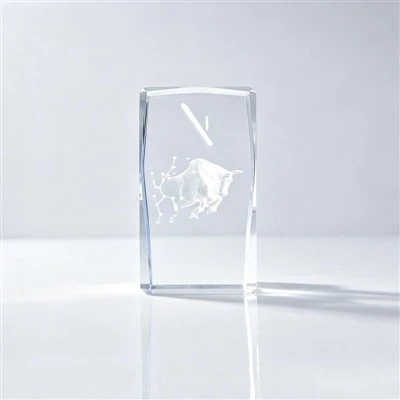
Let’s start with the basics: what makes crystal different from regular soda-lime glass? Traditional crystal is made by adding lead oxide to molten silica, though most modern commercial crystal for food and beverage is now lead-free, using alternatives like barium oxide, potassium oxide, or zinc oxide to achieve the same clarity and weight. That clarity isn’t just for looks. Soda-lime glass, the stuff most disposable cups and budget tumblers are made of, has a slightly hazy, uneven surface that traps odors. Crystal, on the other hand, is non-porous and has a perfectly smooth, uniform molecular structure. For whiskey, which relies heavily on aroma (studies from the Scotch Whisky Research Institute tell us that 80% of what we “taste” is actually smell), this smoothness is a game-changer. When you swirl whiskey in a crystal glass, the liquid doesn’t stick to the sides or leave streaks; it coats the surface evenly, releasing volatile compounds (those fragrant, flavor-packed molecules like vanilla, oak, or peat smoke) into the air instead of being absorbed or dulled by the glass’s rough surface.
I see this difference every day when I test our product samples. Last year, a small craft distiller in Kentucky reached out to me saying their new rye whiskey felt “flat” when served to customers, even though their distillation process had just been upgraded. We sent them a set of our lead-free Glencairn crystal glasses (the same style used at official Scotch judging competitions) to test for a month. Within two weeks, their head distiller called me, excited—customers were commenting that the rye’s spicy notes and caramel finish were suddenly popping, something they’d never noticed with their old tumblers. The issue? Their old glasses had tiny surface imperfections from mass production that were blocking the aroma molecules. Crystal’s precision cuts through that, making the whiskey’s true character shine.
Now, let’s tackle the biggest myth about crystal and whiskey: that leaded crystal leaches harmful chemicals into your drink. For decades, people avoided leaded crystal for everyday use, worried about lead poisoning. That concern is valid—if you use leaded crystal to store acidic liquids (like whiskey, which is 40-60% alcohol) for long periods, lead can leach over time. But if you’re serving whiskey in leaded crystal, or even our lead-free crystal, there’s no risk at all. The glass industry in most countries, including the U.S. and EU, has strict regulations: leaded crystal for tableware must have at least 24% lead oxide, but when it’s properly formed and only used for serving (not storing), the lead doesn’t transfer into your drink. Our lead-free crystal uses non-toxic alternatives that are just as durable, clear, and smooth, so you get all the benefits of crystal without any of the concerns. For home users, lead-free is the way to go, but for commercial venues that want that iconic, brilliant crystal shine for their bar display, leaded is safe for serving whiskey, as long as it’s not stored long-term.
Another common question: does crystal affect the whiskey’s taste directly, or is it just about aroma? It’s a mix of both. The weight and texture of crystal in your hand change how you experience the drink. A heavy crystal tumbler feels substantial, not flimsy, so you’re more likely to take your time sipping and appreciating the whiskey instead of chugging it. The rim of a crystal glass is also key. When you pour whiskey into a glass with a thin, precisely cut rim, the liquid flows smoothly onto your tongue, distributing the flavors evenly. A thick, cheap glass rim can make the whiskey hit your tongue in a clunky way, masking the delicate middle notes. Crystal’s ability to be cut into ultra-thin, smooth rims is a huge advantage over soda-lime glass, which is harder to shape without losing its structural integrity.
I’ve seen this firsthand at whiskey tastings I host across the Southeast. When we pour the same bourbon into two identical glasses—one our crystal Glencairn, one a standard soda-lime tumbler—even new whiskey drinkers can tell the difference. The crystal pour has a brighter, more complex aroma, and the taste is more layered: you pick up the initial vanilla oak, the mid-palate cinnamon, and the finish caramel that get lost in the cheaper glass. This isn’t some gimmick or “snob factor” for people who think crystal makes their whiskey taste better because it’s expensive; it’s science. The Scotch Whisky Research Institute’s 2021 study on glassware and whiskey flavor confirmed this, finding that crystal glasses increased the perception of aroma intensity by up to 25% compared to standard glass, with no negative impact on taste when used properly.
Now, that said, not all crystal glasses are good for whiskey. The shape of the glass matters as much as the material. A wide, open crystal tumbler (often called a “old fashioned glass”) is perfect for sipping bourbon or rye that’s bold and heavy, because its large opening lets the stronger, bolder aromas spread out. For lighter, more delicate whiskeys like single malt Scotch or Japanese whiskies, a tapered crystal snifter or Glencairn glass is better: the narrow opening traps the fine, subtle aromas that would otherwise escape if the glass was wide. If you’re a home whiskey collector who has dozens of different bottles, having a set of both styles of crystal glass will let you serve each one to its best advantage.
For commercial businesses, crystal glassware is an investment that pays off. A friend who owns a craft whiskey bar in Nashville told me that since he switched all his serving glasses from standard tumblers to our crystal old fashioned and Glencairn glasses, his average customer spending went up 15% in six months. People are willing to pay a few dollars more for a whiskey when it’s served in a glass that enhances its flavor, rather than a generic cup. Plus, crystal’s brilliant, reflective look makes any bar setup feel more premium, which draws in new customers and keeps regulars coming back.
I also get asked a lot about cleaning crystal—this is a big one, because people worry crystal is too fragile to use regularly. Our lead-free crystal is dishwasher-safe (we test every batch to make sure it doesn’t cloud or scratch), though we recommend hand-washing for delicate pieces to extend their life. The key is to avoid harsh abrasive cleaners, which can scratch the surface and dull its aroma-enhancing properties. A mild dish soap and warm water, with a soft cloth, is all you need. And if you see a little cloudiness on your crystal glasses over time, that’s usually from hard water, not the glass itself—soaking them in equal parts white vinegar and water for an hour will clear that right up.
Now, let’s talk about who crystal glassware is for, and who it might not be the right fit for. If you’re someone who only drinks whiskey once in a while, mixing it with cola or ice, a standard tumbler is totally fine—no judgment. But if you’re a serious home whiskey enthusiast, host regular tastings, or run a bar, restaurant, or distillery that serves whiskey as a core product, crystal glassware is worth the investment. It’s not about being pretentious; it’s about honoring the spirit. Whiskey is aged for years, cared for by distillers who spend months perfecting the recipe—why serve it in a glass that hides all that hard work?
Over the past 12 years, I’ve worked with hundreds of customers, from individual collectors to large national bar chains, and the feedback has been consistent: once you switch to crystal, you never go back. I remember one customer, a retiree in Atlanta who collects rare bourbons, told me that after using our crystal glasses, he could finally taste the difference between his 10-year and 15-year Buffalo Trace, two bottles he’d had for years but never noticed distinct notes in before. That’s the magic of crystal—it doesn’t make the whiskey better; it makes it visible.
If you’re thinking about switching to crystal glassware for whiskey, or if you have questions about which style works best for your needs (whether home or commercial), I’m here to help. As a supplier who’s specialized in crystal for whiskey for over a decade, I can guide you through the different styles, materials, and prices to find the right fit. We work with distilleries to customize glassware with their logos, too, if you’re looking to upgrade your brand’s presentation.

At the end of the day, whiskey is a spirit meant to be savored, not rushed. The glass you serve it in is part of that experience. Crystal doesn’t just add a touch of elegance to your bar or table—it enhances every sip, letting you pick out the hidden notes that make each whiskey unique. If you’re ready to elevate your whiskey experience, or if you’re a business owner looking to improve your customers’ satisfaction, reach out to me to learn more about our crystal whiskey glassware and how we can help.
Car Parts Decorations References
Scotch Whisky Research Institute. (2021). The Impact of Glassware on Whisky Aroma and Flavor Perception. SWRI Technical Report TR-21-004.
U.S. Food and Drug Administration. (2023). Food Contact Substances: Crystal Glassware Regulations. FDA Center for Food Safety and Applied Nutrition.
International Crystal Manufacturers Association. (2022). Lead-Free Crystal: Composition, Safety, and Performance Standards. ICMA Annual Technical Review.
Yiwu Meiyinbao Import & Export Co., Ltd.
Yiwu Meiyinbao Import & Export Co., Ltd. is one of the most experienced crystal glassware manufacturers and suppliers in China, also supports customized service. We warmly welcome you to wholesale bulk cheap crystal glassware from our factory. If you have any enquiry about free sample, please feel free to email us.
Address: Longhui Village Zone 1 Choujiang Subdistrict Yiwu City Zhejiang Province China
E-mail: sales@yiwuhonestal.com
WebSite: https://www.yiwucrystal.com/
