If you’ve ever stood in a cold workshop on a frosty morning, or relied on consistent heat for a manufacturing line that can’t shut down for even an hour, there’s a good chance you’ve used an oil-fired furnace—even if you didn’t know exactly what it was. As someone who’s spent the last 12 years supplying these furnaces to factories, agricultural operations, and commercial buildings across the Midwest, I’ve fielded hundreds of questions about them: How do they work? Are they efficient? How do they compare to gas or electric alternatives? Today, I want to break down exactly what an oil-fired furnace is, how it fits into real-world operations, and why they’re still a reliable choice for so many businesses, even as energy sources evolve. Oil-Fired Furnace
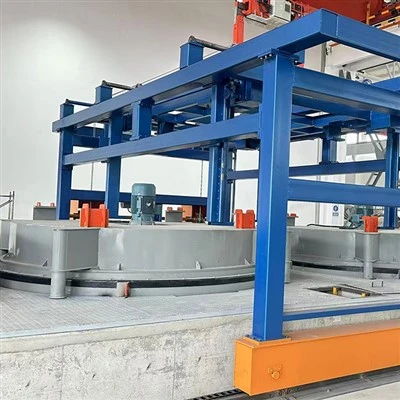
Let’s start with the basics, no jargon required. An oil-fired furnace is a heating system that uses liquid fuel—most commonly No. 2 heating oil, a refined, low-sulfur distillate that’s standardized for heating applications—to generate heat, which is then distributed to a space (like a warehouse, grain dryer, or large office building) via air ducts, radiators, or radiant panels. Unlike small residential furnaces, the units we supply for commercial and industrial use are built for high-volume, continuous operation. A 10,000-square-foot grain storage facility, for example, needs to maintain a constant 50-degree temperature to prevent mold during winter, and that’s where a properly sized oil-fired furnace comes in.
The core of any oil-fired furnace is a combustion chamber, a sealed, refractory-lined enclosure designed to contain the burning fuel safely. When the system kicks on, an automated oil burner atomizes the heating oil—breaking it into tiny, fine mist droplets—and mixes it with precise amounts of compressed air. This air-fuel mixture is critical; too much oil and it burns inefficiently, releasing unburned residue; too much air and you waste energy heating excess air instead of the space. Once mixed, an igniter (either a spark plug or a heated glow coil) lights the mist, and the flames heat up the combustion chamber to temperatures as high as 1,800 degrees Fahrenheit in some industrial models.
Next, that heat needs to get where it’s going. For forced-air furnaces, which are the most common type of oil-fired system we supply, a heat exchanger sits right above the combustion chamber. The hot gases from burning oil don’t mix with the air that’s circulated through the building—instead, they pass through a network of metal tubes in the heat exchanger, transferring their heat to the metal walls. A blower motor then pulls cool, return air from the building’s ducts across those hot tubes, heating the air to the desired temperature, and pushes it out through supply ducts. In hydronic (hot water) oil-fired furnaces, popular for applications like radiant floor heating or large industrial process lines, the heat exchanger warms water instead of air; that hot water is pumped through pipes to radiators or floor coils, releasing heat as it cools before being cycled back to the furnace to be reheated.
One question I get all the time is: How efficient are these systems? Twenty years ago, many oil-fired furnaces had an annual fuel utilization efficiency (AFUE) rating of 60% to 70%, meaning 30 to 40 cents of every dollar spent on fuel was lost as waste heat up the chimney. Modern models, which we’ve refined heavily over the last decade, hit AFUE ratings of 90% to 98% for high-efficiency condensing units. Here’s how that works: instead of releasing all exhaust gases at high temperatures, condensing furnaces cool the exhaust enough to turn water vapor in the flue gases into liquid condensate. That process releases additional latent heat, which would have otherwise been lost, and it means we can design systems that waste far less energy. For a 50,000-square-foot food processing plant that runs its furnace 12 months a year, upgrading to a 95% AFUE oil-fired furnace can cut annual fuel costs by thousands of dollars—no small number for a business with tight operating margins.
Another point that surprises people: oil-fired furnaces aren’t just for cold northern climates, even though they’re more common there. We regularly send units to facilities in the Southeast that need consistent, reliable heat for processes like curing lumber or keeping commercial greenhouses at a stable temperature, where gas infrastructure might be spotty or prohibitively expensive to extend. Unlike natural gas, which requires buried pipelines and utility hookup fees that can run into the tens of thousands of dollars for remote sites, heating oil is delivered via truck, making it a flexible option for locations that don’t have access to a gas line. That flexibility is a big reason oil-fired furnaces remain a staple for agricultural operations, construction sites, and remote manufacturing hubs.
Of course, like any heating system, oil-fired furnaces have specific needs to run reliably. Regular maintenance is key. We recommend annual tune-ups, where a certified technician cleans the burner nozzles, checks the air-fuel mix, inspects the heat exchanger for cracks, and tests the safety controls—things that prevent breakdowns mid-season, which can cost a business far more than the cost of maintenance. Common issues if you skip tune-ups include clogged nozzles that cause incomplete combustion, which can lead to soot buildup in the furnace or even carbon monoxide leaks, or a misaligned igniter that fails to light the fuel properly.
There’s also the myth that oil-fired furnaces are less environmentally friendly than gas or electric systems. While it’s true that heating oil is a fossil fuel, modern low-sulfur heating oil is much cleaner than the fuel used in older furnaces. In fact, the U.S. Environmental Protection Agency (EPA) has reported that high-efficiency oil-fired furnaces produce 30% less carbon dioxide per unit of heat than systems built before 2000, and new ultra-low-sulfur heating oil cuts sulfur dioxide emissions by 90% compared to traditional heating oil. For businesses looking to reduce their carbon footprint, many also pair our oil-fired furnaces with biodiesel blends—up to B20, which is 20% renewable biodiesel—resulting in even lower emissions. And when compared to electric furnaces, which rely heavily on coal or natural gas for power generation in most parts of the U.S., oil-fired furnaces often have lower lifecycle emissions for heating applications, according to a 2022 study from the North American Heating and Cooling Association.
As someone who’s been in this industry for years, I’ve seen how the right oil-fired furnace can make or break a business. I remember a small grain cooperative in Iowa that was relying on an old, 30-year-old oil furnace that broke down every winter. They were considering switching to a gas system, but the cost of extending a gas line to their remote storage yard would have been $45,000. Instead, we installed a new 150,000 BTU high-efficiency oil-fired furnace for a fraction of that cost, paired with a scheduled maintenance plan, and they haven’t had a breakdown in three seasons. That’s the kind of impact these systems can have—they’re not just pieces of equipment, they’re reliable partners for businesses that need heat, period.
If you’re evaluating heating systems for a commercial or industrial site, whether you’re replacing an old furnace for an existing building or outfitting a new facility, it’s important to work with a supplier who understands your specific needs. A one-size-fits-all approach doesn’t work for oil-fired furnaces; a warehouse needs a higher airflow rate than a greenhouse, a cold-storage facility needs a furnace that can handle constant low-temperature operation, and a small business needs a unit that’s efficient enough to keep utility costs manageable without being over-sized.
We’ve spent years refining our oil-fired furnace designs to meet the needs of every kind of operation, from small retail spaces to large manufacturing plants. Our team works with you to calculate the exact BTU (British Thermal Unit) output you need, considering factors like your building’s square footage, insulation levels, local climate, and specific heating requirements. We also offer custom solutions, like adding digital thermostats with remote monitoring, so you can adjust temperatures from your phone or set up automated schedules to save energy when spaces aren’t in use.
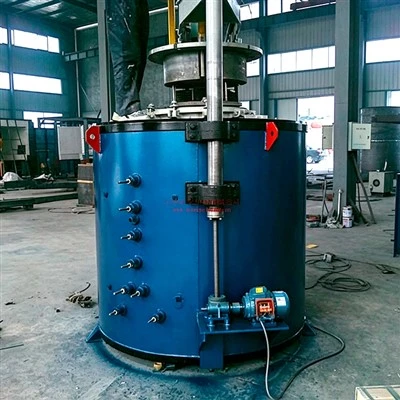
If you’re tired of unreliable heating, rising fuel costs, or the hassle of waiting for gas utility lines to be installed, an oil-fired furnace might be the solution you’ve been looking for. We’re here to answer all your questions, walk you through our product lines, and help you find the right system for your budget and needs. Don’t hesitate to reach out to our team to start a conversation about your heating project.
Bell Furnace References
- U.S. Environmental Protection Agency. (2021). Energy Efficiency Improvement for Residential and Commercial Heating Systems. EPA Office of Air and Radiation.
- North American Heating and Cooling Association. (2022). Lifecycle Emissions Comparison of Common Commercial Heating Systems. NAHCA Technical Report Series.
- American Petroleum Institute. (2020). Ultra-Low-Sulfur Heating Oil: Benefits for Commercial and Industrial Users. API Fuels Marketing Division.
- U.S. Department of Energy. (2023). Energy Saver: Commercial Heating and Cooling. DOE Office of Energy Efficiency and Renewable Energy.
Jiangsu Fangwei Furnace Industry Co., Ltd.
Jiangsu Fangwei Furnace Industry Co., Ltd. is one of the most professional oil-fired furnace manufacturers and suppliers in China. With abundant experience, we are committed to providing high quality customized products with competitive price. Please feel free to buy advanced oil-fired furnace made in China here from our factory.
Address: No.168, HuangNian Bridge, DaoShu Town, Danyang City, JiangSu Province, China
E-mail: fangwei@fwfurnaces.com
WebSite: https://www.fwfurnaces.com/
