If you’ve ever watched a shipping container being moved across a port yard, a construction site, or even a retail distribution center, you’ve probably seen a container dolly doing the heavy lifting. As a supplier who’s spent the last 12 years designing, building, and troubleshooting these workhorses, one of the most common questions I get from new customers is: “Do container dollies require assembly?” The short answer is not a simple yes or no—because the type of dolly you’re buying, how it’s shipped, and what you’re planning to use it for all play a huge role in that answer. Let me break this down the way I explain it to a truck driver just starting a fleet, a logistics manager outfitting a new warehouse, and a small construction team picking up their first set of dollies. Container Dolly
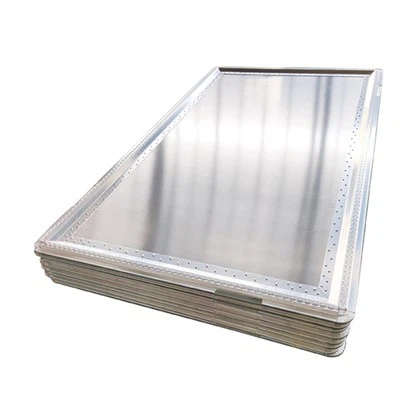
First, let’s start with the basics of what a container dolly actually is, because that’s where the confusion often starts. A container dolly (sometimes called a container caster dolly or a heavy-duty dollie, though we stick to “dolly” in our product lines) is a heavy-duty set of wheels attached to a steel frame, designed to cradle the bottom corners of a standard shipping container. They let you move empty or partially loaded containers short distances—think across a yard, between a truck and a storage spot, or around a warehouse floor—without a full crane or forklift. A standard 20-foot container needs four dollies, one at each corner, and a 40-foot needs six to eight, depending on weight capacity.
Now, when a customer walks into our shop or calls our sales line asking about assembly, the first thing I ask is: “What size and type of dolly are you looking for, and how are you having it shipped?” Because not all dollies are made the same. Let’s go through the three main categories we sell, and what that means for assembly.
The first and most popular category for small to mid-sized operations is pre-assembled standard container dollies. These are our entry-level and mid-range models, designed for customers who don’t want to spend time building anything, and who need the dolly ready to use the second it gets off the truck. How do we ship these? We bolt the frame to the wheel assemblies, attach the corner castings that lock into the container’s bottom pockets, and even install the heavy-duty brake systems—all before it leaves our production facility. The only thing sometimes left attached is a small, reusable shipping brace that holds the dolly’s frame straight during transit. This brace is just a piece of steel we use to prevent warping during shipping, and it takes one person about two minutes to remove with a standard wrench. That’s it—no tools beyond what most sites already have, no instructions to follow, no chance of misaligning parts that could compromise the dolly’s weight capacity.
Last year, we delivered 12 sets of these pre-assembled dollies to a construction company in Houston that was setting up a temporary material storage yard for a highway rebuild. The project manager, Ray, told me later that he was worried he’d have to have his whole crew assembled on delivery day, since he’d been burned by a cheaper set of dollies from a different supplier that came completely unassembled and took three guys half a day to put together. “Your dollys were unloaded, we ripped off that little shipping brace, and we were moving empty containers within 10 minutes,” Ray said. That’s the kind of real-world feedback that tells us pre-assembled is the right call for most casual or mid-use operations.
But here’s where things get tricky: custom and heavy-duty container dollies. These are the models we build for operations that move 10+ containers a day, or need dollies that can handle 20,000 pounds or more—way more than the standard 10,000-pound capacity. For these, assembly is almost always required, and it’s not the 10-minute job of removing a shipping brace. Why? Because custom dollies often have adjustable frames, reinforced axles, or heavy-duty wheel assemblies that are too large or heavy to ship fully assembled. A single custom dolly for a 40-foot high-cube container, for example, weighs over 150 pounds when fully assembled. Shipping four of these pre-assembled would mean a pallet weighing 600 pounds, which is not only more expensive to ship but also harder to handle with standard site forklifts. So we ship custom heavy-duty dollies in a few pieces: the frame sections, the axles and wheels, the corner locking pins, and the brake lines. Assembly for these takes a trained technician about 45 minutes per dolly, and we include step-by-step, illustrated instructions with every set, plus a dedicated customer support line that’s staffed during our production hours to answer questions if something doesn’t line up.
I should also note that even with custom dollies, we design the assembly process to be as simple and error-proof as possible. The frame sections are pre-drilled with matching holes, so you can’t put them together wrong—if the bolts line up, you have the right side and right end. The axle hubs are keyed, so they only fit one way onto the frame, so there’s no guesswork there. We’ve had customers tell us they assembled a set of custom dollies on their own, without any prior experience, in about two hours total, and that’s after accounting for reading the instructions and getting all the tools out. For anyone who’s used a power wrench or even a standard socket set, it’s doable.
The third category is DIY knock-down container dollies, which are not something we sell as a primary product, but we do get occasional requests from very small operations, like a small farm that only needs to move a single small container for tool storage, or a hobbyist who’s moving a container in their backyard. These are the cheapest dollies on the market, and they’re shipped as individual parts: four steel corner brackets, four wheels, a few lengths of steel pipe, and some bolts. Assembly here is more involved—usually two to three hours per dolly, and you have to measure and weld some parts yourself. We don’t sell these because the weight capacity is much lower (most can only handle 5,000 pounds total, half of our standard models) and the risk of misassembly is high. If you weld the brackets on at the wrong angle, the dolly won’t fit the container’s corner pockets properly, which can lead to the container shifting or even tipping when you move it. We always steer customers away from these, and explain that even if they save a few dollars upfront, the risk of damaging your container or getting hurt isn’t worth it.
Now, I want to talk about why this question is so important, and what the risks are if you try to skip or cut corners on assembly (for the custom and heavy-duty models, that is). A container dolly that’s not assembled correctly won’t just be hard to use—it can be dangerous. The corner castings have to be aligned perfectly to lock into the container’s bottom pockets; if they’re off by even a quarter of an inch, the dolly won’t seat properly, and the entire container can become unstable when you start moving it. We’ve heard horror stories from customers who bought a set of unassembled dollies from a supplier that didn’t provide clear instructions, and when they tried to move a 20-foot container with 10,000 pounds of building materials inside, one of the dollies’ axles slipped off the frame. The container tilted, knocked over a stack of lumber, and damaged a forklift that was trying to pull it. That kind of downtime and damage costs way more than paying for a pre-assembled or custom dolly from a reputable supplier.
Over the years, we’ve also made some small design adjustments to make assembly even easier for customers who do need to put dollies together. For example, we now include a small alignment pin with every custom dolly set—once you put the two frame sections together, the pin slides into a pre-drilled hole to keep them perfectly aligned before you tighten the bolts. We also use larger, self-locking bolts so you don’t have to worry about them coming loose over time, which means less maintenance down the line. And for any customer who’s ordering 10 or more custom dollies, we offer on-site assembly by our trained technicians for a small fee. That’s a great option for larger port operations or logistics centers that don’t want to take their own crew away from other jobs to put dollies together.
Let’s circle back to the original question, because I know that’s what you’re here for. To sum it up: if you’re buying our standard, mid-use container dollies, the answer is almost always no—they’re pre-assembled, you just remove the small shipping brace and you’re ready to go. If you’re buying our custom heavy-duty dollies for high-volume use, the answer is yes, they do require minor assembly, and we make that process as simple and clear as possible so even someone with no prior experience can do it. If you’re considering a cheap DIY knock-down dolly from a random seller, be prepared for significant assembly time and higher risk.
At the end of the day, the right answer for you depends on your needs, but the last thing we want is for a customer to buy a dolly, get it delivered, and realize they have no idea what to do next. That’s why we’re always happy to walk through the process over the phone, answer questions, and make sure you get the right dolly for your operation without any confusion.

If you’re looking to order container dollies, or have questions about which type is right for your site, our team is here to help. We can walk you through weight capacities, shipping timelines, and even help you plan for delivery to make sure your dollies arrive when you need them. Reach out to our sales team today to discuss your project and get a custom quote.
Air Cargo Net References:
- National Association of Container and Intermodal Equipment Manufacturers. (2022). Standard Specifications for Container Handling Equipment.
- Occupational Safety and Health Administration. (2021). Guidelines for Safe Movement of Heavy Industrial Containers.
- Port Equipment Manufacturers Association. (2023). Best Practices for Container Dolly Assembly and Maintenance.
Wuxi Aviation Ground Equipment Co., Ltd.
Wuxi Aviation Ground Equipment Co., Ltd. is well-known as one of the leading container dolly manufacturers and suppliers in China. Please rest assured to buy or wholesale discount container dolly for sale here from our factory. For price consultation, contact us.
Address: No.18 Dingxiang East Road, Hudai Town, Binhu District, Wuxi, Jiangsu, P.R. China
E-mail: sales@wxagecl.com
WebSite: https://www.wxagecl.com/
