Hey everyone, I’m Jake, and for the last 7 years, I’ve been selling glass wool blankets as part of my job at a insulation supply company (you don’t need the name, just know we’ve shipped stuff to contractors, homeowners, and even small commercial builders all over the country). A question I get every single week is: “Is glass wool blanket actually worth it? Or should I go with something else?” Glass Wool Blanket
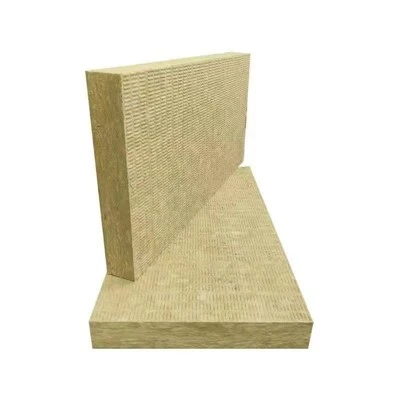
Today, I’m breaking down the real pros and cons—no fancy sales jargon, just stuff I’ve learned from answering hundreds of calls, helping folks pick the right insulation, and even seeing some of the messy installs (and the great ones) first-hand. If you’re new here, think of this as the “no-BS guide” to glass wool blankets.
First, let’s cut to the pros, because that’s why most people even ask about this stuff.
Pros of Glass Wool Blanket
1. It’s super good at stopping heat transfer (aka, saves you cash on utilities)
Look, no one likes paying $200+ for a heating bill in winter or $150 in summer. Glass wool’s main gig is thermal resistance, and let’s be real—tested R-values (that’s the number that tells you how well insulation works) for standard blankets range from R-2.8 to R-3.3 per inch. Compare that to, say, fiberglass loose-fill, which is about R-2.2 per inch. For a wall cavity that’s 15 inches thick, that’s almost 10 extra R-units you’re getting with a blanket. I’ve had homeowners tell me their heating bills dropped 20% after switching from cheap loose-fill to glass wool blanket. That adds up—fast.
Oh, and it works both ways: stops your AC from leaking cool air in summer too. Even in places with extreme temps, like Minnesota or Arizona, this insulation’s consistent. No weird temperature swings because it’s trapped tiny air pockets (that’s what makes it work—air is a terrible heat conductor) between the glass fibers.
2. It’s way easier to install than other insulation (especially for DIYers)
I’ll be honest, some insulation gives me a headache to install. Spray foam is messy, you need a mask that’s not just a dust mask, and it’s easy to over-apply. Cellulose is dust city, and you have to wet it down sometimes so it doesn’t blow around. But glass wool blanket? It’s flexible, it comes cut to fit standard wall stud spacing (16 or 24 inches apart—you know, the studs in your walls), and it just slides right into the cavity. No tools needed, basically.
I’ve seen a lot of first-time DIYers nail this on their own. Sure, you need to wear gloves and a face mask (we’ll get to the con later), but compared to other stuff? It’s foolproof. I’ve even had contractors tell me they can finish a job 2 hours faster with glass wool blankets than with loose-fill, which means more jobs done, more cash in their pocket. That’s a win-win for everyone.
3. It’s pretty durable (doesn’t crumble or settle over time)
Wait, “settle” is the big one—some insulation sags after a few years, leaving gaps at the top of walls or ceilings. Glass wool blanket? It’s tightly bonded, so it stays in place. I’ve installed some that’s been in a house for 10 years, and it’s still where I put it. No dust piles, no uneven spots. Also, it doesn’t break down from normal stuff—moisture (as long as it’s not flooding), temperature changes, even minor pest activity (though, pro tip: if you have mice, pair it with a vapor barrier, but that’s not the blanket’s fault).
4. It’s fire-resistant (big safety win)
This is non-negotiable for a lot of buildings, especially commercial ones. Glass wool is made from molten glass spun into fibers, so it doesn’t burn. Most of our blankets have a Class A fire rating, which means they won’t spread flames—perfect for kitchens, attics near furnace ducts, or any space where fire risk is high. I’ve had a few commercial builders reach out specifically because their local code requires Class A insulation, and glass wool is one of the only affordable options that checks that box.
5. It’s eco-friendly (way more than people think)
A lot of folks assume insulation is bad for the planet, but glass wool’s got a leg up here. It’s made from up to 80% recycled glass—you know, the soda bottles, wine jars, even broken window glass that would otherwise end up in landfills. That’s a huge stat. Also, because it’s so good at insulating, it reduces energy use for heating and cooling, which cuts down on greenhouse gas emissions. It’s non-toxic, too—no harsh chemicals that off-gas (unlike some spray foams), so once it’s installed, it doesn’t stink or release fumes into your house.
Okay, so that’s the pros, and they’re solid. But let’s not sugarcoat it—there are downsides, too. I don’t want to sell something to someone that’s not a good fit for their needs.
Cons of Glass Wool Blanket
1. It can irritate your skin, lungs, and eyes—so you need gear
This is the biggest complaint I get, and I’m not gonna lie: those tiny glass fibers? They’re sharp. If you don’t wear gloves, long sleeves, a face mask, and goggles while installing, you’ll end up with itchy skin (like, scratching for days), dust in your eyes, and maybe even a cough from inhaling tiny bits. I’ve had a DIYer call me once, all mad, saying he “got glass in his fingers” and it lasted a week. That’s avoidable—just wear the right gear. But if you’re not used to that, it’s a hassle.
Also, once it’s installed, if it’s not covered (like with drywall), those fibers can get loose if you touch it too much. So you can’t just leave it exposed. That’s not a dealbreaker, but it’s something to plan for—you need to finish it off with a wall or ceiling material.
2. It’s not great for spaces with high moisture
Wait, glass wool doesn’t absorb water, right? That’s true, but if moisture builds up in the cavity (like from a leaky roof or a bathroom without a vent), the fibers can get damp, and they lose their R-value. Because those tiny air pockets—they’re what make it work—if they’re filled with water, water conducts heat way better than air. I’ve seen a house with a leaky attic fan, and after a year, the glass wool was half damp, and the R-value dropped by 50%. So if you’re in a super humid area, or have spots prone to leaks, you need a vapor barrier to keep moisture out. It’s fixable, but it’s an extra step.
3. It’s more expensive than some budget insulation options
Let’s be real—if you’re looking for the cheapest stuff out there, glass wool isn’t it. Basic fiberglass loose-fill is like $0.50 per square foot, while glass wool blanket is around $1.20 to $2 per square foot. So if you’re on a tight budget, that adds up. But here’s the thing: it saves you more on utilities long-term, and it’s faster to install, so contractors charge less for labor. For example, a $500 difference in material cost might turn into a $300 lower labor bill because they finish quicker. But if you’re just covering a tiny shed, maybe the cheaper stuff is better for you.
4. It doesn’t work well for irregular spaces or around pipes/ducts
Blanks cut to 16 or 24 inches, so if you have a weird-shaped wall, a tight space around a plumbing pipe, or an attic with a bunch of random ductwork sticking out, glass wool is a pain. You have to cut it with scissors (or a utility knife) which can leave messy edges, and it’s easy to leave gaps. I’ve had a few folks try to stuff scraps in small spots, but gaps are bad—they let air leak out, so you lose the insulation’s effectiveness. For irregular spaces, loose-fill or spray foam is way easier, because it fills every nook and cranny.
5. Some people still have misconceptions about it
I get it—if you’ve heard horror stories about old insulation that crumbled or was toxic, you might write off glass wool. But modern stuff is way different. The fibers are smaller, but they’re bonded so they don’t shed as much as they used to. And as I said earlier, it’s mostly recycled glass, no harsh chemicals. But there’s still a stigma, especially from older homeowners who used worse insulation back in the day. That’s not a con of the product itself, but it’s a barrier for some people.
So, is Glass Wool Blanket Right for You?
Let’s wrap this up, no guesswork. If you’re a homeowner or contractor working on standard walls, attics, or ceilings—spaces with regular, stud-sized cavities, low moisture risk, and you’re okay with wearing gear to install—this is a solid choice. It’s energy-efficient, easy to work with, and code-friendly.
If you’re on a super tight budget, working on a weird, irregular space, or have a spot with high moisture (like a basement without a vapor barrier), maybe look at other options. But even then, glass wool might still work if you take the right steps (add a vapor barrier, etc.).

Look, I’ve been in this game long enough to know that every insulation has its place. Glass wool isn’t perfect, but it’s one of the most reliable, cost-effective options for the majority of jobs.
Custom Molded Rubber Components If you’re still on the fence, just shoot me a message. We can chat about your project—what space you’re insulating, size, any weird quirks—and I’ll help you figure out if glass wool blanket is the move, or if something else fits better. No pressure, just honest advice.
References
- U.S. Department of Energy, Office of Energy Efficiency & Renewable Energy. "Insulation 101: Types of Insulation and Their Uses."
- Glass Manufacturers Alliance. "Recycled Content in Glass Wool Insulation: Industry Data & Sustainability Report."
- International Code Council. "Fire Resistance Requirements for Building Insulation (Commercial & Residential)."
- National Institute of Building Sciences. "Thermal Performance of Insulation Materials in Humid Climates, 2022 Update."
- Insulation Contractors Association of America. "Installation Best Practices for Blanket Insulation."
Langfang Aolesi Thermal Insulation Materials Co., Ltd.
As one of the most professional glass wool blanket manufacturers and suppliers in China, we also support customized service. Please feel free to buy bulk high quality glass wool blanket made in China here from our factory. For pricelist, contact us now.
Address: Dongwang Village, Dacheng County, Langfang City, Hebei Province
E-mail: Lfaolesibaowen@outlook.com
WebSite: https://www.lfaolesi.com/
