If you’ve worked with industrial thermal processing systems long enough, you learn that the difference between a smooth production run and a costly unplanned shutdown often boils down to how well your operator interface communicates with the process control hardware. That’s why when clients reach out to me as a HJS OPS-C supplier, one of the first questions they ask goes far beyond “what is it?” They want to know: what are the actual input/output (I/O) interfaces of HJS OPS-C, and how will that fit with their existing setup? HJS OPS-C
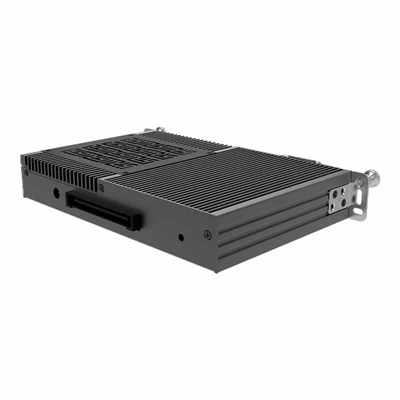
Let me start by grounding this in the real-world context I see every day. HJS OPS-C isn’t a one-size-fits-all black box—it’s a purpose-built operator panel designed specifically for high-temperature industrial ovens, furnaces, and heat treatment lines, where precision, durability, and compatibility with legacy equipment matter more than flashy extra features. Over the 12 years I’ve been supplying and supporting these systems, I’ve seen too many projects stall because a supplier misrepresented I/O capabilities, so I always break this down clearly for new and returning clients.
First, let’s split HJS OPS-C’s I/O interfaces into two core categories: primary input interfaces (the signals and commands that feed into the panel) and primary output interfaces (the signals that the panel sends to control hardware or operator displays). Each has specific use cases, and I make a point to walk clients through which ones they’ll need before a single system leaves my workshop.
Input Interfaces: What Operators and External Systems Feed Into HJS OPS-C
Input interfaces are how the operator interacts with the panel, or how external sensors and control systems send data to be displayed, logged, or used for automation logic. For HJS OPS-C, these aren’t generic off-the-shelf ports—they’re hardened for environments where ambient temperatures can hit 50°C, dust is common, and voltage spikes from heavy machinery are regular.
The most common input I get asked about is analog input (AI) interfaces. HJS OPS-C uses 16 single-ended analog input channels as standard, with options to expand to 32 for high-volume lines. These channels handle 0–10V and 4–20mA signals, which are the industry standard for temperature sensors, pressure transmitters, and flow meters. A typical stainless steel mill I supply to, for example, runs 22 thermocouples through their furnace zone and uses the analog input channels to pull real-time temperature data into HJS OPS-C. What makes these interfaces unique, and why I always highlight them, is the built-in noise filtering: HJS OPS-C’s analog inputs are calibrated to reject 50/60Hz line noise, which is a common issue in industrial settings that can make temperature readings unreliable. I’ve had clients from food processing plants tell me this feature cut their temperature log errors by 90% after switching to HJS OPS-C, which is a game-changer for meeting FDA and food safety standards.
Next, discrete input (DI) interfaces. These are the on/off signals that trigger actions or send status updates. HJS OPS-C comes with 32 isolated discrete input channels as standard, with a 24V DC nominal voltage rating, compatible with most standard sensors, limit switches, and emergency stop (E-stop) devices. Isolation here is critical: the DI interfaces are optically isolated from the panel’s internal logic, so a voltage spike from a faulty E-stop switch won’t fry the OPS-C’s main board. For a heat treatment line for automotive parts, that means an operator can trigger a “part loaded” discrete input, which HJS OPS-C uses to automatically adjust the furnace’s setpoint without manual intervention. I also offer a 120V AC discrete input option for clients with legacy equipment that doesn’t run on 24V DC, so we can adapt to their existing wiring instead of forcing them to rewire their entire line.
Then there’s serial input interfaces, which are how HJS OPS-C communicates with external PLCs, SCADA systems, or other factory automation hardware. Standard here includes two RS-232 ports and one RS-485 port, with Modbus RTU protocol as the default. RS-485 is especially useful for long-distance communication—up to 1,200 meters—so even if a client’s main control room is on a different floor or building, they can connect HJS OPS-C to their central system without signal loss. For a aerospace parts manufacturer I work with, this lets HJS OPS-C send heat treatment data directly to their enterprise resource planning (ERP) system, so they can track batch compliance for critical components. I also support Ethernet input interfaces: a 10/100Base-T port with Modbus TCP/IP as an option, which is perfect for clients who want to integrate HJS OPS-C into modern IIoT (Industrial Internet of Things) platforms for remote monitoring.
Finally, human input interfaces for the operator itself. HJS OPS-C has a 15-inch sunlight-readable touchscreen as standard, but it also includes 16 physical membrane pushbuttons and a 4-directional navigation keypad, all sealed to IP65 standards, so they can be wiped down with industrial cleaners without damage. Unlike many touchscreen-only operator panels, this mix of inputs is intentional: some operators prefer physical buttons for quick actions like pausing a furnace during a batch change, rather than navigating through touchscreen menus, which saves time in high-pressure production environments.
Output Interfaces: What HJS OPS-C Sends to Control the Line and Keep Operators Informed
Output interfaces are the flip side: the signals HJS OPS-C generates to control actuators, send status alerts, or communicate with other systems. Again, these are built for industrial use, not office IT equipment, so they’re rated for continuous operation in harsh conditions.
The most widely used output interface for HJS OPS-C is discrete output (DO) channels. Standard is 24 isolated 24V DC discrete outputs, with options to expand to 48. These control actuators like motorized valves, relay switches, and indicator lights. For a glass manufacturing client, HJS OPS-C uses DO channels to trigger a cooling fan when the furnace temperature exceeds a set limit, preventing glass defects. The opto-isolation here is non-negotiable for me: I won’t install units without isolated DOs, because a short circuit from a faulty valve could damage the panel and cause hours of downtime. I also offer relay output options for clients who need to control 120V AC equipment, so they can connect HJS OPS-C directly to existing motor starters without needing an extra relay module.
Analog output (AO) interfaces are the next key output, used to send variable signals for tasks like adjusting furnace power or controlling flow valves. HJS OPS-C has 4 analog output channels as standard, with 0–10V and 4–20mA output ranges. Unlike cheap operator panels that have fixed AO ranges, HJS OPS-C lets clients reconfigure the output range via software, which is helpful when integrating with different types of actuators. For a heat treater that runs both steel and aluminum parts, this means they don’t need to buy a new panel if they switch from a 4–20mA valve for steel to a 0–10V valve for aluminum. I’ve had clients tell me this flexibility saved them $10,000 in replacement equipment over two years, which is a big reason they repeat their orders with me.
Then there’s serial output interfaces, which are how HJS OPS-C sends data to external systems. The same RS-232, RS-485, and Ethernet ports that work for input also handle output, with Modbus protocols as the default. This is where a lot of clients see the biggest value: HJS OPS-C can send real-time temperature logs, batch data, and alarm notifications directly to the client’s SCADA or ERP system, eliminating manual data entry and reducing the risk of human error. For a medical device manufacturer that needs to track every heat treatment cycle for compliance, this means they can pull audit-ready reports in minutes instead of hours. I also support OPC UA as an optional output protocol, which is becoming the standard for IIoT integration, so clients can connect HJS OPS-C to cloud platforms for remote monitoring even as their systems evolve.
For operator notifications, HJS OPS-C has two key output interfaces: visual and audible. The visual output includes a built-in 24-character alphanumeric LED status display and four separate color-coded alarm lights (red for critical alarms, yellow for warnings, green for normal operation, and blue for maintenance alerts). The audible output is a 85dB buzzer that can be muted via the panel’s inputs, but will automatically sound for critical alarms like E-stop triggers or temperature overshoots. This mix of outputs is designed to cut through industrial noise: the 85dB buzzer is loud enough to be heard over a furnace, and the color-coded lights let operators identify alarm severity at a glance without reading text.
Why I Always Clarify I/O Details Before a Client Buys
Over the years, I’ve learned that the biggest mistakes in industrial control don’t happen with the core functionality of a system—they happen when I/O interfaces are mismatched to a client’s existing setup. For example, I once had a client who tried to source a HJS OPS-C from a competitor, only to find the analog input channels only supported 0–5V signals, which didn’t match their thermocouples. They ended up paying extra for a conversion module, and their installation was delayed by two weeks. As a HJS OPS-C supplier, that’s the kind of scenario I work hard to prevent. That’s why I always ask clients to send me a layout of their existing wiring and sensors before I send a quote, so I can adjust I/O options to fit their needs without extra costs or delays.
Another point I emphasize is durability. HJS OPS-C’s I/O interfaces are coated with a conformal layer to protect against dust, moisture, and corrosion, which is a big difference from consumer-grade panels that use uncoated ports. For a mining client I supply to, that meant their HJS OPS-C panels survived a year of operation in a dust-heavy environment without a single I/O failure, which was unheard of with their previous equipment. I also offer a 3-year warranty on all I/O interfaces, which is longer than most competitors, because I stand behind the quality of the units I sell.
Wrapping Up: What This Means for Your Operation

At the end of the day, the I/O interfaces of HJS OPS-C aren’t just technical specs—they’re the backbone of how your operator interacts with your process, and how your process integrates with the rest of your facility. Whether you’re upgrading an old furnace line, adding heat treatment capacity for new products, or building a new IIoT-enabled production facility, HJS OPS-C’s flexible, hardened I/O options mean you don’t have to compromise on compatibility or reliability.
OPS PC If you’re tired of operator panels that fail in harsh environments, require expensive custom wiring, or don’t integrate with your existing control systems, I invite you to reach out to me to discuss your needs. We can walk through your current setup, adjust HJS OPS-C’s I/O configurations to fit, and get a system installed that will keep your production running smoothly for years to come.
References
- Industrial Automation Society. (2021). Industrial Operator Panels: Design and Compatibility Standards. International Society of Automation.
- HJS Thermal Systems. (2022). HJS OPS-C Technical Manual: I/O Interface Specifications. HJS Thermal Systems.
- National Fire Protection Association. (2020). Standards for Industrial Heat Treatment Systems. NFPA.
- Modbus Organization. (2023). Modbus Protocol Specification for Industrial I/O Communication. Modbus Organization.
Shenzhen HJS Technology Group
Shenzhen HJS Technology Group is one of the most experienced hjs ops-c manufacturers and suppliers in China, featured by quality products and good service. Please rest assured to buy CE approved hjs ops-c made in China here from our factory. For price consultation, contact us.
Address: F10, Wanhe Technology Building C, No. 7 HuiTong Road, Fenghuang Street, Guangming New District, Shenzhen. China.
E-mail: info@hjs-pc.com
WebSite: https://www.hjs-pc.com/
