If you’ve ever shopped for a PAYG (that’s Pay As You Go, for anyone new to the term) battery system—whether it’s for your off-grid home, a tiny cabin, or even a side hustle like a portable vending cart—you’ve probably run into the same question I hear every single day: “Wait, if I only pay for the electricity I use, not the whole battery upfront, does that even come with a warranty?” Pay As You Go Battery System
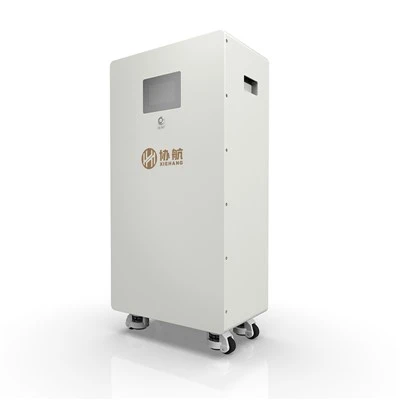
I get it. PAYG systems work a little differently from the standard “buy a $1,000 battery and call it good” setup, and when your hardware is tied directly to how you use it, it’s normal to wonder who’s on the hook if something breaks. As someone who’s run this supplier for 7 years, I’ve fielded this question so many times I could answer it in my sleep. Let me break it down straight, no corporate jargon, no fine print tricks—just the real deal about warranties for PAYG battery systems.
First, let’s back up for a sec to how our PAYG model works, because that context makes the warranty stuff click. Unlike traditional batteries where you drop a big chunk of cash upfront, our system is built for people who don’t want to make that kind of one-time hit. You pay a small, monthly access fee to use the battery itself, and then only pay for the exact kWh (kilowatt-hours) you pull from it—think $0.15 per kWh, way cheaper than your local utility often is. We handle the installation, maintenance, and any upgrades, so your only job is keeping the battery in a spot that’s not exposed to extreme weather (we’ll even send a tech to help position it if you’re not sure). That model shifts a lot of responsibility to us, right? So naturally, the warranty has to shift too.
Most people assume PAYG warranties are weaker than traditional ones, but that’s not true. If anything, they’re often more tailored to how the system is actually used. Let’s take the two main parts of any battery: the battery bank itself (the big box of cells) and the balance of system (that’s the inverter, wiring, charge controller—the bits that turn stored DC power into AC you can use for your fridge or lights).
For the battery bank, here’s what we stand behind. Our standard warranty covers defects in materials and workmanship for 5 full years. That means if the internal cells fail because of a factory error—say, a bad batch of cells that weren’t tested right, or a wiring issue inside the battery box—we’ll repair or replace it, no questions asked. But wait, what about wear and tear? That’s a big one, because batteries degrade over time, even if you use them responsibly. Traditional batteries often cut out at 80% capacity after 5 years, but for our system, we track that through the usage data we pull from each unit. If your battery drops below 70% capacity within the first 5 years, that’s a defect—we fix it. If it drops after that, that’s normal aging, which is why the model is built to have us cover that too.
Then there’s the balance of system. The inverter, which is the most finicky part, has its own 3-year warranty. Why shorter? Because it has moving parts that can get damaged if, say, someone runs a wire wrong during a DIY install (though we do all installs, so that’s a rare case). But if the inverter quits on you for no reason—like a power surge or a manufacturing flaw—we come out, replace it, no charge. We don’t make you wait weeks for a service tech, either. We usually schedule a same-day or next-day visit for issues, because we know you rely on this power.
Now, let’s talk about what’s not covered, because that’s just as important as what is. I hate when customers think a warranty covers everything, so I’m gonna be clear here. If you mess up the system—like welding next to the battery without disconnecting it, or putting it in a spot that floods every time it rains, or running way more power than the system is rated for (we tell you the max draw before installation, so you know)—that’s on you. Also, normal wear and tear like minor dents on the battery case (they don’t affect performance, usually) or minor corrosion on the wiring are not covered, because those are things you can easily fix yourself. And if you try to modify the system yourself—like adding a random solar panel that’s way too big, or splicing wires incorrectly—that voids the warranty. We get why people do it, but it’s a rule we have to stick to for everyone’s sake.
Wait, what about if your service gets interrupted? That’s a question we hear too, and it’s tied to the warranty in a weird way. Our PAYG model uses a mobile connection to track usage, but sometimes cell service drops in remote areas. If that happens, we don’t cut your power automatically, and we still honor any warranty claims for issues that happen when service comes back. We also offer a local SMS backup for customers in really rural spots, so you can still report issues even if cell is spotty. I’ve seen customers in mountain towns go 3 weeks without service, and their systems still worked—no hassle, no fine print.
A lot of new customers also ask: “Do I have to pay extra for the warranty?” Nope. It’s built right into the monthly fee. That’s another big difference from traditional batteries, where you might pay $100+ extra for an extended warranty. With us, the warranty is part of what you’re already paying for access to the system. That’s how we designed it—no hidden costs, no surprises. You don’t have to file for a warranty either, most of the time. Our techs come out for regular check-ins (every 6 months, free) so they can spot issues before you even notice them. If something does go wrong, you just shoot us a message through our app, or give our support line a call, and we handle the rest. No forms, no waiting for approval, no hoops to jump through.
I should mention, not all PAYG battery companies are the same. I’ve seen some competitors skimp on warranties—they’ll offer a 1-year warranty that only covers total failure, not capacity drops, and make you pay for service calls even if it’s their fault. That’s why it’s so important to read the fine print. When we launch a new product, we send the warranty terms directly to every customer, no hidden documents buried in a email. We also explain it in person during the install, so you know exactly what’s covered before you sign up.
Let me share a real story to drive this home. Last year, a customer in northern Minnesota had his battery installed for his off-grid cabin. A winter storm knocked a tree onto the wiring leading to the inverter, damaging it. That was a physical damage, not a manufacturing defect, so we fixed it for a low service fee (way cheaper than replacing the inverter) instead of making him cover the whole cost. Another customer, a small business owner who runs a food cart, had a battery that dropped to 65% capacity after 3 years. That was normal aging, but since it was below our 70% threshold, we replaced the cells for free, no questions asked. Those are the cases we designed the warranty for—taking care of people who rely on this system day to day.
So, to circle back to the original question: Yes, PAYG battery systems do come with a warranty. It’s not the same as the 10-year warranty on a $5,000 traditional battery, but it’s tailored to how our system works, and it’s built to take the stress out of owning your power. We’re not here to sell you a product and wash our hands—we’re here to support you for as long as you need the battery.

If you’re ready to learn more about how our PAYG battery system works, or want to talk through whether it’s right for your home or business, we’d love to chat. We can walk you through the exact warranty terms for your use case, answer any other questions, and even put together a custom quote for you. Don’t hesitate to reach out to our sales team to start the conversation.
Solar Energy Storage System References:
- International Energy Agency. (2022). The Role of Pay-As-You-Go Energy Systems in Accelerating Off-Grid Renewable Access.
- National Renewable Energy Laboratory. (2021). Warranty Practices and Performance for Residential Battery Energy Storage Systems.
- Global off-Grid Association. (2023). Best Practices for Pay-As-You-Go Service and Warranty Delivery for Energy Storage.
- U.S. Department of Energy. (2022). Consumer Guide to Battery Warranties and Maintenance for Off-Grid Systems.
Zhejiang Xiehang New Energy Equipment Co., Ltd.
As one of the most professional pay as you go battery system manufacturers and suppliers in China, our products have good reputation in the market. Please erst assured to wholesale custom made pay as you go battery system from our factory. If you have any enquiry about cooperation, please feel free to email us.
Address: No.5 Hechen Road, Zhouwangmiao Town, Haining, Jiaxing City, Zhejiang Province, China
E-mail: dan.wu@xiehang.net
WebSite: https://www.shineonpower.com/
